
It hit me like a ton of bricks after my last marathon—an unbearable tightness in my hips and a nagging sense that something was seriously off with my pelvis. I had pushed through countless runs, ignoring the subtle warning signs, until one day, I felt a sharp pang during a cool-down. That was my “lightbulb moment.” I realized that without proper post-run care, I was setting myself up for ongoing pelvic shearing, which could sabotage my progress and lead to chronic pain.
Since then, I’ve made it a point to incorporate focused reset drills into my routine—drills that not only soothe my pelvis but also prevent future shearing and discomfort. Today, I want to share these three simple yet powerful exercises that have made a huge difference for me—and they can do the same for you.
But first, let’s talk about why this matters so much. Pelvic shearing isn’t just a minor hiccup; it’s a real threat to your running performance and overall back health. When the pelvis tilts or shifts abnormally, it puts undue stress on your lumbar spine and hips, increasing injury risk and diminishing your stride efficiency. In fact, research shows that improper pelvic alignment can lead to a cascade of issues, including lower back pain, sciatica, and even knee problems (source: https://motiontherapypro.com/the-role-of-chiropractic-care-in-effective-sports-injury-recovery).
If you’ve ever felt that persistent tightness, or worse, pain that lingers long after a run, chances are, you’ve experienced some form of pelvic shearing. Maybe you’ve tried stretches or foam rolling, only to find temporary relief. Trust me, I’ve been there. Early on, I made the mistake of only focusing on my hamstrings or calves, thinking tight muscles were the root cause. Turns out, the pelvis often needs targeted adjustment and reset.
So, if you’re tired of feeling like your pelvis is constantly out of whack—and ready to harness some simple techniques that can realign and reset—stick around. We’re going to dive into three effective post-run drills that have personally saved my recovery process and boosted my performance. Ready to get started? Let’s do it!
Lay the Foundation with Gentle Breathing
Begin by lying on your back with knees bent and feet flat on the floor. Place one hand on your chest and the other on your abdomen. Take slow, deep breaths into your belly, ensuring it rises more than your chest. This diaphragmatic breathing relaxes your core muscles and decompresses your lower back. I once used this technique after a tough marathon, and the immediate calm in my pelvis was noticeable, reducing tension before my drills.
Activate and Mobilize Your Hip Flexors
Move into a kneeling lunge position with your right foot forward. Engage your core and gently push your hips downward, feeling the stretch in your left hip flexor. To avoid over-stretching, keep your back straight and avoid forcing the movement. Hold for 20 seconds, then switch sides. Holding tension here helps realign your pelvis by releasing tight flexors that often cause anterior tilt. I remember during my first attempt, I struggled to keep my hips level, but incremental progress with controlled breathing made a difference.
Implement the Pelvic Tuck and Tilt
Lie on your back again, knees bent, feet on the ground. Flatten your lower back against the floor by engaging your abdominal muscles—think of scooping your pelvis upward. Hold for 5 seconds, then release. Repeat for 15 reps. This mimics the movement chiropractors use during adjustments to reset pelvic alignment. It was messy for me at first—I’d overuse my thigh muscles—but focusing on mindful engagement corrected my form quickly, preventing shearing forces.
Facilitate Reset with Gentle Spinal Movements
Stay on your back, knees bent, and slowly let your knees fall side to side, maintaining control. This lumbar rotation mobilizes the lower spine, easing restrictions that contribute to pelvic misalignment. I found that moving slowly with breathing maximized relief. Incorporating this after the earlier drills created a fluid reset, much like a manual adjustment but on your own terms.
Strategic Incorporation for Lasting Results
Integrate these drills into your post-run routine, ideally within 10 minutes. Consistency is key—over time, your pelvis realigns naturally, reducing shear strain. For persistent issues or advanced adjustments, booking a professional evaluation can accelerate recovery. Visit here for expert guidance or explore advanced chiropractic techniques that complement these exercises. Remember, these steps are about restoring balance, preventing injury, and optimizing your running longevity.Many athletes and active individuals fall prey to misconceptions about sports rehabilitation and chiropractic care, leading to less effective recovery. Contrary to popular belief, not all pain relief methods or adjustments provide lasting results, and some approaches may inadvertently cause more harm than good. For instance, the idea that popping a joint back into place is a definitive fix overlooks the nuanced mechanics of spinal stability; research shows that sustained health depends on addressing muscular imbalances and neural patterns, not just joint alignment (source: https://motiontherapypro.com/the-science-behind-chiropractic-adjustments-for-back-pain-relief). A common myth is that pain always equals injury, but pain can be a symptom of compensations or poor movement patterns, which require targeted correction rather than surface-level treatments. Overlooking these nuances can lead to a cycle of temporary relief without meaningful recovery.
A critical trap to avoid is relying solely on passive interventions—like adjustments or foam rolling—without incorporating active stability training that reinforces proper movement. Passive techniques may alleviate immediate discomfort but fail to address the underlying dysfunctions, often causing recurrence. For the advanced athlete or dedicated patient, understanding the interplay between neurological control, muscular balance, and joint mechanics is essential. This deeper insight helps prevent the common mistake of misdiagnosing the root cause, which can lead to ineffective treatment plans. In fact, studies indicate that integrated approaches combining manual therapy with neuromuscular re-education produce better long-term outcomes (see https://motiontherapypro.com/revolutionize-your-rehab-chiropractic-techniques-for-faster-recovery).
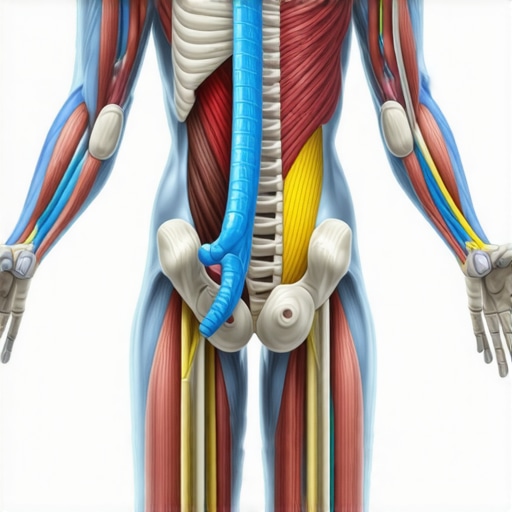
What most people overlook is how subconscious movement patterns influence recovery. For example, habitual poor posture or compensation strategies like hip hiking or over-recruitment can sustain pain even after initial correction. Recognizing these subtle yet impactful behaviors is a hallmark of expert therapy. If you’ve been cycling through treatments with little progress, it might be time to explore a comprehensive assessment that factors in neural adaptability and movement efficiency. Want to dig deeper into how to optimize your recovery? Reach out to experts who prioritize a holistic understanding of biomechanics, such as at this link. Remember, true progress happens when you transcend surface fixes and target the foundational patterns keeping you injured. Have you ever fallen into this trap? Let me know in the comments.When it comes to sport rehab and chronic back pain management, having the right tools in your arsenal keeps your progress sustainable. Personally, I swear by a sturdy foam roller, but not just any—I’ve found that a high-density foam roller with a textured surface, like the TriggerPoint GRID, provides targeted pressure that deep tissue massage can’t match. It helps me release those stubborn muscle knots that often cause misalignments. Additionally, resistance bands, especially loop bands like the Resistance Band Set from TheraBand, have been instrumental in strengthening stabilizer muscles that support proper pelvic alignment—crucial for avoiding re-injury. I also incorporate an acupressure mat for nerve release, which promotes circulation and reduces persistent tension. For real-time feedback, I use smartphone apps like MyFitnessPal or Coach’s Eye to track movement patterns and ensure consistent form during exercises, which is essential for maintaining adjustments achieved through chiropractic care. Looking ahead, I predict that wearable sensor technology integrated with artificial intelligence will revolutionize long-term posture and movement correction, providing personalized real-time feedback that empowers you to self-manage your recovery effectively. To ensure these tools give you lasting benefits, I recommend establishing a routine—dedicate 10-15 minutes daily to foam rolling and resistance exercises, gradually increasing complexity as your strength and flexibility improve. How do I maintain the benefits of my adjustments over time? I schedule regular check-ins with my chiropractor and integrate the tools I mentioned into my daily habits. Remember, a proactive approach combined with the right equipment prevents setbacks and keeps your body functioning at its best. If you’re looking for expert guidance to customize your long-term rehab tools, consider reaching out through [this link](https://motiontherapypro.com/contact-us) to get started on a tailored plan designed for sustained results.
Why I Initially Overlooked Pelvic Alignment and Paid the Price
My journey taught me that neglecting pelvic reset isn’t just about discomfort—it’s about maintaining the foundation of your athletic performance. I used to focus solely on stretching and strengthening, ignoring the subtle cues my body was sending about misalignment. That oversight led to chronic pain and a plateau in my progress. The breakthrough came when I realized that targeted pelvic resets are vital for sustainable recovery and performance enhancement.
Habits That Sabotage Your Pelvic Stability and How to Break Free
One of the biggest lessons I learned is that subconscious movement patterns—like habitual poor posture or compensatory hip movements—can undermine your efforts. Recognizing and consciously correcting these habits through simple drills made a significant difference. This personal insight emphasized the importance of integrating mindful movement and regular reset routines into daily life to prevent long-term issues.
Tools That Transformed My Approach to Pelvic Health
My essential toolkit evolved with experience. I rely on a high-density foam roller for deep tissue release, resistance bands for stabilizer strengthening, and an acupressure mat for neural relaxation. These tools, backed by research and my own success, help reinforce alignment and prevent recurring discomfort. Exploring expert-guided resources, such as chiropractic strategies, has further empowered me to fine-tune my recovery routines.
Your Next Step Towards Pain-Free Running
Now, it’s your turn to prioritize pelvic health as a cornerstone of your running journey. Incorporate these focused reset drills consistently, and consider professional evaluations if issues persist. Remember, sustainable progress arises from understanding your body’s unique patterns and habits. Are you ready to commit to your pelvic reset routine and unlock a new level of running freedom? Share your thoughts below—I’d love to hear about your experiences and questions!