
I remember the first time I felt that ominous twinge in my lower back during a kettlebell session. It was a sharp reminder that even the most effective compound movement can become a hazard if not executed properly. That lightbulb moment led me down a path of trial, error, and ultimately, discovery—finding a simple yet powerful tweak that protects my SI joint and keeps me swinging with confidence.
Protect Your Sacroiliac Joint While Getting the Most Out of Your Kettlebell Swings
As fitness enthusiasts, we all want to improve strength and endurance without risking long-term joint issues. The kettlebell swing is revered for its ability to boost power, cardiovascular health, and core stability. However, without proper form and subtle adjustments, it can place undue stress on the sacroiliac (SI) joint, leading to pain and setbacks. Today, I’ll share a tweak that transformed my training—one that allows you to harness the full benefits while sidestepping the common pitfalls.
Is Your Swing Secretly Sabotaging Your SI Joint?
Master Your Hip Hinge Technique
The foundation of a safe kettlebell swing lies in a proper hip hinge. To execute this, stand with feet shoulder-width apart, toes slightly pointed outward, and soften your knees. As you hinge at the hips, push your hips backward like opening a door rather than folding forward from the waist. Engage your glutes and hamstrings, while keeping your back flat and chest lifted. I once attempted to add a heavier swing without adjusting my form, resulting in a sharp pain in my lower back. After reviewing my technique and practicing this hinge, I noticed immediate relief and improved control over the movement.
Keep Your Spine Neutral During the Swing
A neutral spine minimizes unnecessary strain on your sacroiliac joint. Think of your spine as a stack of coins; keeping it straight prevents stress concentration in any one area. Focus on maintaining a slight natural curve in your neck and keeping your shoulders relaxed. During a recent training session, I used a mirror to check my alignment and found my upper back rounded slightly — correcting this immediately allowed me to swing safely and with greater power.
Control Your Hip Drive for Stability
The power of the swing comes from the hips, not the arms. Drive your hips forward explosively at the top of the movement, but avoid hyperextending or overextending your lower back. Imagine trying to push a heavy door shut with your hips; the motion should be swift but controlled. In a messy attempt to increase weight, I overarched my back, which aggravated my SI joint. Once I focused on controlled hip extension, the discomfort subsided, and my swings became more efficient.
Adjust Foot Position to Optimize Load Distribution
Foot stance influences your pelvis alignment. Slightly turning your toes outward can improve hip mobility and distribute forces evenly across your pelvis. Assess your stance and tweak accordingly, especially if you notice uneven muscle engagement or discomfort. I experimented with my foot angle during a training session, noticing that a 15-degree outward turn reduced stress on my SI joint while maintaining power. For further insights on pelvis stability, check out https://motiontherapypro.com/why-your-si-joint-wont-stay-set-after-heavy-squat-sessions
Incorporate Nerve Glides to Address Tension
Nerve tension may contribute to pain during swings. Gentle nerve glide exercises can help ease tightness, especially in the sciatic nerve distributing from your lower back through your hips. Incorporate simple drills regularly, like the seated nerve glide, to keep pathways clear. I added nerve glide routines after noticing lingering soreness, which helped me move more freely and reduce SI joint stress. To learn more, visit https://motiontherapypro.com/4-nerve-glide-fixes-for-2026-sciatica-while-running
While many believe that immediate relief or quick fixes are the answers, true mastery in back pain management and sports rehabilitation requires a nuanced understanding of underlying mechanics. A common misconception is that chiropractors or adjustments alone can resolve complex issues, but in my experience, this is only part of the puzzle. Adjustments can offer temporary relief, yet without addressing movement patterns and nerve tension, pain often returns. For instance, some practitioners overlook the significance of nerve glides; neglecting these can leave patients vulnerable to persistent discomfort, as highlighted in recent research emphasizing nerve mobility’s role in persistent back issues (see https://motiontherapypro.com/4-nerve-glide-fixes-for-2026-sciatica-while-running). Beware of the trap where clinicians focus solely on skeletal alignment without considering soft tissue and neural components. This narrow approach can lead to what I call the “illusion of progress,” leaving clients frustrated despite multiple treatments. One key nuance is recognizing how subtle postural habits, like smartphone use or sitting ergonomics, continually sabotage recovery efforts, a factor often dismissed in conventional care. For example, poor pillow choices affecting cervical alignment can indirectly influence lumbar stability; see https://motiontherapypro.com/why-your-2026-pillow-choice-kills-your-c1-c2-alignment-2 for insights. The myth that all pain is due to misalignment can prevent deep assessments involving nerve mobility, muscular imbalances, and tissue integrity. To truly optimize sports rehab, integrating movement assessment, nerve flossing routines, and personalized load management is essential. This comprehensive approach avoids the common pitfalls of overly simplistic solutions. Have you ever fallen into this trap? Let me know in the comments. Remember, advancing your understanding beyond surface-level fixes can significantly accelerate recovery and prevent recurrences.
Keep Your Progress Moving with the Right Tools
Maintaining your back health beyond initial rehab requires more than just good habits—having the right tools can make all the difference. Personally, I rely heavily on a few key pieces of equipment that support ongoing stability and injury prevention. One such tool is a **quality foam roller**. I prefer a dense, medium-hard roller because it allows me to perform self-myofascial release on tight areas like the quadratus lumborum and hip flexors, which often contribute to SI joint discomfort if left unmanaged. Regular use helps loosen fascia and improves tissue glide, reducing the chances of reinjury.
Another essential is a **theraPAQ or massage therapist-quality percussion massager**. I use mine post-training to break down residual tension in my lower back and hips. The deep, targeted vibrations increase blood flow and speed up recovery, making my rehab sustainable over time. Additionally, I’ve integrated a **stability ball** into my routine—not just for core exercises, but also for dynamic sitting. Sitting on an unstable surface encourages active engagement of spinal stabilizers, which is crucial for long-term maintenance.
Leveraging Tech for Ongoing Monitoring
Beyond physical tools, technology plays a pivotal role in maintaining your back health. I utilize a **smart posture tracker**, which alerts me when I slouch or adopt poor ergonomics during work. This real-time feedback helps me correct posture proactively, preventing the habitual misalignments that worsen SI joint issues. In the future, I predict that wearable sensors paired with AI algorithms will offer even more personalized insights, guiding users through daily habits and customizing rehab exercises based on neural and muscular feedback.
Applying these tools consistently aligns with the latest research emphasizing soft tissue health and neural mobility as key factors in injury prevention (see https://motiontherapypro.com/4-nerve-glide-fixes-for-2026-sciatica-while-running). Regular maintenance with equipment like foam rollers and smart devices, combined with mindful habits, creates a proactive approach rather than reactive fixes.
How do I keep my back healthy over time?
One practical approach I recommend is scheduling weekly check-ins with myself, focusing on soft tissue work, neural mobility routines, and ergonomic adjustments. For instance, performing nerve glides—especially if you experience recurring pain—can dramatically reduce tension and prevent flare-ups. Incorporate routines like those detailed in https://motiontherapypro.com/4-nerve-glide-fixes-for-2026-sciatica-while-running to keep pathways clear and muscles relaxed. Be disciplined with these tools and routines, and you’ll find your back remains resilient even as your activity levels increase.
If you’re serious about long-term back health, I suggest making a small investment in high-quality self-care tools and setting a recurring schedule to use them. Over time, the cumulative effect of consistent maintenance will preserve your gains and help you avoid setbacks.
【 】
】
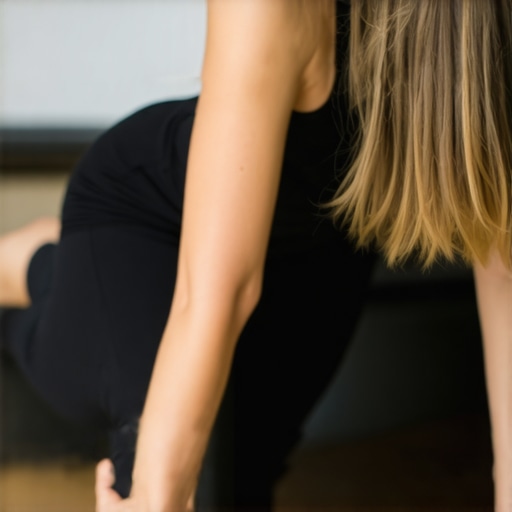
: A person using a foam roller on their lower back and hips, promoting tissue flexibility for injury prevention. Alt: Person rolling out their lower back with a dense foam roller; Title: Foam Rolling for Back Maintenance.
Over the years, I’ve come to realize that the small details really matter when it comes to sustainable back health, especially during dynamic movements like kettlebell swings. The most valuable lesson I learned is that even a slight tweak in technique can dramatically reduce stress on your sacroiliac joint, helping you stay in the game longer and pain-free.
Lessons Learned Beyond the Surface: What No One Tells You
- Monitoring Your Hip Hinge—Mastering a proper hip hinge is more than just technique; it’s about feeling the engagement in your glutes and hamstrings while consciously avoiding over-arching your lower back. I used to rush through my swings, paying little attention to this detail, until I paid the price in discomfort. Now, I focus on controlled, mindful hip movement, which keeps my SI joint happy.
- Listening to Your Body’s Cues—Pain isn’t always an alert to cease activity; sometimes, it’s a sign to adjust. I learned to pay close attention to subtle signs of strain, and when I felt tension building in my hips or lower back, I paused and adjusted my stance or reduced load. This habit has prevented countless setbacks.
- Fine-Tuning Foot and Pelvic Alignment—A slight outward turn of my toes, around 15 degrees, helped distribute forces more evenly across my pelvis, reducing SI joint stress. Incorporating this small change led to significant improvements in both power and comfort.
- Integrating Neural Mobility Exercises—Nerve tension can subtly sabotage your efforts. Regular nerve glide routines, especially targeting the sciatic nerve, have been game changers for me, alleviating lingering discomfort. For more insights on maintaining nerve health, explore https://motiontherapypro.com/4-nerve-glide-fixes-for-2026-sciatica-while-running
Tools and Tactics That Keep You Moving
Beyond proper technique, the right tools make a huge difference. My go-to items include a dense foam roller for my hips and lower back—helping to release fascia tightness that often contributes to SI joint issues. I also rely on a percussion massager to target residual tension after workouts, speeding up recovery and maintaining tissue health. Additionally, using a stability ball during remote work keeps my spinal stabilizers active and resilient.
Smart technology is another ally; a posture tracker helps me stay aware of ergonomic slips during long hours, reinforcing healthy habits. Continuous use of these tools, combined with routine nerve glides and mobility drills, bolsters long-term back resilience.
Keep Moving Forward With Confidence
Take this as a call to action—your back is resilient and capable of great strength when you honor the subtle signals and mechanics involved in movements like kettlebell swings. Embrace mindful practice, leverage supportive tools, and stay curious about your body’s responses. Remember, a healthier back isn’t just possible—it’s within your grasp with consistent, informed effort.
What small adjustment in your technique or daily habits has made the biggest difference in your back health? Share your insights in the comments—I’d love to hear your journey.
Comments are closed.