
Ever been there? You’re all set for your workout, feeling good, hands on your foam roller, ready to crush that IT band tightness. Then, as you roll… something feels off. Not quite relief. Actually, a sneaky ache or a sense of frustration. That’s when I had my lightbulb moment—realizing that my foam rolling routine was actually doing more harm than good. And I’m guessing you might be in the same boat.
The Truth About Foam Rolling the IT Band
Let’s be honest—many of us buy into the hype that rolling out our IT bands will somehow unlock extra mobility and banish pain. We see videos, read blog posts, even get advice from well-meaning trainers asserting that foam rolling is all we need. But here’s the brutal truth: foam rolling the IT band is often a waste of time—and sometimes it even makes things worse.
During my early days of tackling running or cycling pain, I dedicated precious minutes to this routine. I half-expected that pinching, burning sensation to vanish, but it didn’t. Instead, I often felt more restricted, with lingering discomfort lingering long after the session. It was only after digging deeper into the science that I understood why: the IT band isn’t typically the problem, but rather a symptom of underlying issues in the hips, pelvis, and core. And repeatedly rolling the IT band can actually irritate the tissues without addressing the root cause.
Are You Making the Same Mistake I Did?
Early on, I believed more foam rolling meant faster recovery. I thought I was saving myself from injuries—until I learned that excessive or improper rolling can cause inflammation and even tissue damage. According to recent research, foam rolling doesn’t target the true sources of tightness—it mainly affects superficial tissues, not the deeper muscles and ligaments involved in movement pain. Instead, I discovered that improving hip mobility and core stability made a significantly bigger difference, often eliminating IT band pain altogether. If you’ve been spending time with that roller without results, don’t worry—you’re not alone. I’ve been there, and I’m here to help you skip ahead to more effective strategies.
In the next section, we’ll explore what really works to resolve those nagging lateral knee and thigh pains—without pointless foam rolling sessions. Ready to change how you approach this common injury?
}
Target Your Hip Mobility First
I remember a time I spent an entire week foam rolling my IT band, expecting relief, only to feel more tension. Instead, I shifted focus to improving my hip mobility, which made a real difference. Start by incorporating hip openers like lunges with a twist or pigeon pose. These movements loosen up the hips, reducing tension transmitted to the knee. To make this practical, perform 2-3 sets of 10 slow, controlled stretches daily. This method addresses the actual source of tightness rather than just the symptom.
Strengthen Your Glutes and Core
Once I realized that weak glutes contribute to IT band discomfort, I began integrating targeted strength exercises. Think of your hips and core as the foundation of a building; if unstable, every step causes strain elsewhere. Exercises like clamshells, bridges, and planks enhance stability. I recommend starting with 3 sets of 15 reps for activation, gradually increasing as your strength improves. This approach stabilizes your pelvis, diminishing the over-reliance on the IT band and preventing pain from recurring.
Assess and Correct Your Movement Patterns
Often, poor movement habits—such as overpronation while running—place extra stress on our knee and thigh tissues. I experienced this firsthand during a trail run where my gait caused persistent pain. To fix this, I analyzed my footwear and running form, and used orthotics when necessary. Implementing gait drills like cadence work or running on softer surfaces can help. Additionally, working with a coach for proper biomechanics ensures you don’t unknowingly reinforce faulty patterns that irritate the IT band.
Use Posture and Alignment Tweaks
Misalignment in the pelvis or ribs can strain the lateral tissues. I had a slight pelvic tilt that exacerbated my discomfort. Visiting a chiropractor and getting a targeted adjustment was pivotal. Afterward, I followed up with mobility drills like the T-spine mobility exercises, which improved my upper body posture. Proper alignment redistributes loads properly, reducing unnecessary stress on the IT band. Incorporating these small posture corrections daily helps maintain long-term relief.
Incorporate Regular Soft Tissue Work
While avoiding unnecessary foam rolling of the IT band, soft tissue work on surrounding muscles like the lateral hip and thigh can be beneficial. I used my hands and a massage ball to gently relax tight muscles, which alleviated tension upstream. Gentle myofascial release of muscles like the tensor fasciae latae (TFL) keeps tissues supple. A daily routine of 5-10 minutes targeting these areas prevents the buildup of tightness and supports your other mobility efforts.
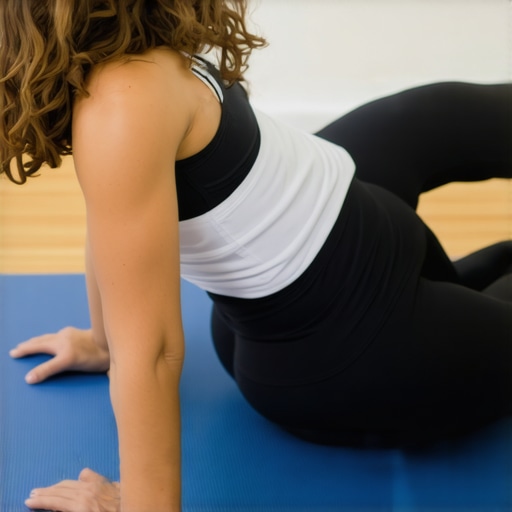 Many individuals believe that chiropractic adjustments are a quick fix for persistent back pain, but this oversimplification overlooks critical nuances. While spinal manipulations can offer relief, relying solely on adjustments without addressing underlying movement patterns can lead to short-term fixes and long-term issues. For example, some practitioners emphasize manual corrections while neglecting the importance of correcting mobility restrictions in the thoracic spine, which can perpetuate pain cycles. Studies have shown that combining adjustments with targeted mobility and stability exercises yields more sustainable results, highlighting the importance of a comprehensive approach. One common myth is that adjustments Maintaining your back health over the long term requires more than temporary fixes; it involves consistent use of effective tools and understanding the methods that deliver lasting results. One of my go-to tools is the foam roller, but not just any—**I recommend the high-density, textured foam rollers** because they provide deeper tissue engagement without causing tissue trauma, unlike softer rollers that might be ineffective for stubborn tightness. Additionally, I personally use **myofascial release balls** for targeted relaxation of muscles like the tensor fasciae latae (TFL), which plays a significant role in IT band health. For example, I often employ the **spiky massage ball** for my hip muscles, which I find excellent for breaking down adhesions and improving mobility, especially after training sessions. Incorporating **T-spine mobility drills** using proprietary resistance bands or foam blocks has also been a game-changer in my practice, aligning with recommendations from experts like Dr. Stuart McGill, who emphasizes spinal stability and mobility as core to injury prevention.
Throughout my journey with back pain and sports injuries, I discovered that many common remedies overlook the real culprits. Foam rolling the IT band, for instance, might seem like a quick fix, but often it’s a superficial approach that misses the deeper issues affecting your body. The moments that truly transformed my recovery came from understanding these underlying factors and implementing targeted strategies that foster lasting relief.
The Unspoken Lessons From My Recovery Journey
- Address the Root, Not Just the Surface: I used to believe that rubbing away tightness with a foam roller would solve everything. Instead, I realized deep tissue work and mobility exercises focused on the hips and core made more significant impacts. Sometimes, what you feel is a symptom, not the cause, so look beneath the surface.
- Consistency Trump Intensity: Sporadic sessions with my foam roller did little. It was consistent, daily mobility and strengthening routines that built resilience over time, preventing the pain from returning. Small, regular efforts always outweigh occasional intense sessions.
- Listen to Your Body’s Feedback: Ignoring discomfort often worsened my issues. Paying attention to subtle signals and adjusting my approach—be it changing exercises or resting more—helped me avoid setbacks and foster genuine healing.
- Combine Multiple Approaches: Relying solely on foam rolling was a mistake. Integrating mobility drills like the T-spine mobility exercises with strengthening and posture corrections created a comprehensive defense against pain.
Tools That Made a Difference for My Back and IT Band
- High-Density Foam Rollers: I found textured, firm rollers essential—they penetrate deeper without tissue trauma, unlike softer options.
- Massage Balls: Targeting muscles like the tensor fasciae latae (TFL) provided relief where elastic bands couldn’t reach, especially after workouts.
- Mobility Devices and Apps: Using resistance bands for T-spine mobility and tracking progress kept me motivated and consistent.
- Educational Resources: Books like The Roll Model by Jill Miller expanded my understanding of fascia and movement, guiding me toward smarter routines.
Every Step Counts Toward a Pain-Free Future
Remember, your recovery is a journey, not a quick fix. Embrace a holistic approach—address mobility, strengthen supporting muscles, correct movement patterns, and maintain good posture. These changes, practiced daily, can redefine your relationship with pain and help you move with confidence. Start today by integrating some of these strategies, and don’t hesitate to explore other resources like the rib mobility drills to support your progress.
What’s Your Next Move?
Have you already tried certain methods that led to lasting relief, or are you still searching for what works? Share your experiences in the comments—your insights could inspire someone else’s breakthrough.
,