
Ever found yourself desperately squeezing that lacrosse ball into your lower back after a long day, only to feel worse afterward? I used to do the same thing, thinking I was on the right track to banish tension and relieve pain. But soon enough, I realized I was actually making things worse, and that lightbulb moment changed my entire approach to my recovery.
The Hidden Danger of Scrubbing Your Lower Back with a Lacrosse Ball
At first, it seemed logical. Apply pressure where it hurts — loosen those tight muscles, right? But what I didn’t understand back then was how improper technique or rushing the process could lead to more discomfort or even injury. The mistake? Rolling directly on the lower back without proper guidance can irritate delicate structures like the lumbar facets or even cause nerve compression. I learned this the hard way after noticing increased pain and stiffness, which slowed my progress rather than helping it.
Now, I want to share the real deal — what works, what doesn’t, and how to do it safely. If you’re tired of wasting time on ineffective self-treatment and want lasting relief, stick around. Today, I’ll guide you through safer, smarter ways to release tightness in your lower back without risking your spine’s health.
Is All That Self-Myofascial Work Actually Useful, or Just a Fad?
Early on, I made the mistake of thinking that more pressure equals better results. Turns out, overdoing it can backfire. The key is knowing your boundaries and applying techniques correctly. For instance, focusing on the thoracic spine or hips rather than the lumbar region often yields better results and reduces risk. Want to learn how to avoid these pitfalls? Check out this article on why stretching your hamstrings isn’t the fix for lower back pain.
In the next sections, I’ll share specific, practical steps you can implement today to get relief without risking more injury. Ready to change your approach? Let’s dive in!
.
Targeted Spinal Movements for Relief
Start with gentle, controlled spinal mobility exercises to prepare your lower back. Lie on your back with knees bent, and slowly rotate your hips side to side, mimicking a gentle windshield wiper. This loosens the muscles and joints without overloading them. I once spent a frustrating week stiff after rushing into deep tissue work, but incorporating these controlled movements gradually improved my flexibility and pain levels.
Create a Consistent Routine
Consistency beats intensity. Dedicate just 5-10 minutes daily to mobility drills focusing on your thoracic and lumbar regions. For example, practicing the 3 T-spine mobility moves enhances upper back function, reducing strain on your lower back during daily activities. I learned this when I started doing these routines every morning — my back felt more resilient over time.
Refine Your Foam Rolling Technique
Instead of indiscriminately rolling your lower back, target safer areas like the hips, glutes, and hamstrings, which influence lower back health. Use a foam roller on your glutes and hamstrings, applying gentle pressure over tight spots. Remember, direct rolling on the lumbar spine can irritate delicate structures. Once, I attempted to roll my lower back to alleviate stiffness but ended up with increased soreness; shifting focus to the hips made a significant difference.
Focus on Hip and Pelvic Alignment
The pelvis plays a pivotal role in lower back health. Incorporate specific stretches like the hip mobility drills to improve pelvic alignment. Improving hip flexibility decreases undue stress on your lumbar spine. I included these in my routine after noticing my pelvis was tilted, which caused persistent back pain. The result was smoother movement and less discomfort.
Optimize Your Posture Daily
Posture is the foundation of back health. Stand and sit with your shoulders back, core engaged, and hips aligned. Use reminders or ergonomic adjustments to maintain this stance. For example, setting your computer monitor at eye level prevents you from slouching. I caught myself slumping during long work sessions, leading to tension. Small posture tweaks made a big difference in reducing recurring pain.
Leverage Breathing and Core Engagement
Controlled breathing exercises activate deep core muscles that stabilize your spine. Practice diaphragmatic breathing by inhaling deeply into your belly for 4 seconds, then slowly exhaling. Combine this with gentle pelvic tilts to reinforce core stability. Once, I neglected breathing during core workouts, which limited effectiveness. Integrating mindful breath control heightened my awareness and strengthened my back muscles over time.
Value of Professional Guidance and Integrative Care
If persistent pain remains trotz these techniques, consult with a chiropractor or physical therapist. They can perform targeted adjustments and guide you through proper rehab routines. Remember, improper self-treatment can sometimes worsen the problem, as I experienced when I ignored warning signals. Combining expert care with self-management creates a comprehensive approach to lasting relief.
Enhancing your lower back health involves deliberate, consistent actions that respect your body’s limits. Progressively build mobility, focus on alignment, and integrate breathing techniques. With patience, these methods will strengthen your spine’s resilience and reduce pain — setting the stage for long-term comfort.
Many people believe that a quick chiropractic adjustment or a simple stretch can solve persistent back pain, but the truth is far more complex. While these interventions offer relief, relying solely on them without understanding the underlying nuances can lead to ineffective outcomes or even worsening symptoms. One common myth I often encounter is the idea that all back pain stems from a misaligned spine that needs immediate correction. In reality, research shows that muscular imbalances, tissue tolerance, and neuroplastic adaptations play significant roles in chronic pain states, making adjustments just one piece of a much larger puzzle. Moreover, a frequent trap is assuming that pain relief equals healing; temporary symptom reduction can mask ongoing biomechanical issues. An advanced mistake many overlook involves neglecting the importance of deep core stabilization and pelvic alignment during recovery. Focusing only on surface-level symptoms might offer short-term comfort, but it neglects the guiding principles of effective sports rehabilitation. For instance, unresolved pelvic tilt or weakness in stabilization muscles can perpetuate pain cycles, even after multiple adjustments. Do you wonder how to identify if your approach is missing these critical factors? Studies from leading physical therapists emphasize that integrating movement-pattern corrections and neuromuscular training yields more durable results than passive treatments alone. Consider the role of proprioception and tissue resilience—factors that are often underestimated. Ignoring these can lead to a cycle of dependence on manual therapy, which is why comprehensive assessments are vital. External citation: According to a 2020 review in the Journal of Manual & Physical Therapy, addressing motor control deficits and tissue quality is essential for sustainable pain relief. So, next time you visit your practitioner, ask yourself: are they helping you manage symptoms or guiding you through a holistic rehabilitation plan? Remember, lasting change comes from understanding the nuances behind your pain, not just treating the symptoms. Have you ever fallen into this trap? Let me know in the comments.
Maintaining a healthy, pain-free lower back long-term requires more than just sporadic stretches or visits to the chiropractor. It involves a strategic approach using reliable tools and consistent routines. One device I personally swear by is a high-density foam roller designed specifically for glutes and hamstrings. Unlike softer rollers, the firm density allows precise pressure on tight areas, facilitating deeper tissue release without risking aggravation of the lumbar spine. I use it after my workouts, targeting areas that influence lower back stability, and have found it invaluable in keeping my muscles supple and my recovery efficient.
Alongside foam rolling, I incorporate a set of resistance bands into my routine. These are excellent for activating deep core stabilizers and improving pelvic alignment—key factors in back health. For instance, subtle resistance band exercises focusing on lateral hip strength can prevent common issues like pelvic tilt, which often perpetuate back pain. I often do these during brief breaks at work, which not only boosts circulation but also reinforces muscular balance that supports my spine.
In terms of software, I rely heavily on mobility tracking apps to monitor progress. Apps that log daily movement and pain levels help me recognize patterns and adjust my routine proactively. Data-driven insights ensure I’m not overloading tissues or neglecting weak links in my kinetic chain. This keystone has helped me transition from reactive to proactive care, reducing flare-ups significantly.
Looking ahead, I believe trends point towards integrating wearable technology with AI-driven feedback systems, making personalized back health management more accessible. Devices embedded with sensors could provide real-time correction cues for posture and movement, minimizing injury risk during exercise and daily activities.
What’s the best way to keep your back healthy over time?
Consistency is key. Develop a daily routine that includes targeted mobility work, like those T-spine mobility exercises, and reinforcement of deep core stability through resistance-based drills. I recommend incorporating these into your morning or evening routine for best results. Also, be mindful of how your tools serve your unique needs—customize your approach rather than copying generic routines. Remember, the goal is durability of function, not just temporary relief.
To truly optimize your maintenance, consider scheduling periodic check-ins with a sports rehab professional who can assess your progress and adjust your program accordingly. Their expert guidance ensures you’re addressing subtle imbalances before they become major setbacks. Developing a tailored, sustainable toolkit for your back health will not only prevent pain but also enhance your overall quality of movement.
Thinking about refining your approach? Try starting with a 5-minute daily mobility session, focusing on areas like the hips and thoracic spine, and see how it elevates your resilience. For a quick boost, the mobility drills for better overhead stability are a great starting point. Remember, small, consistent steps create the biggest long-term impact for your spinal wellbeing.
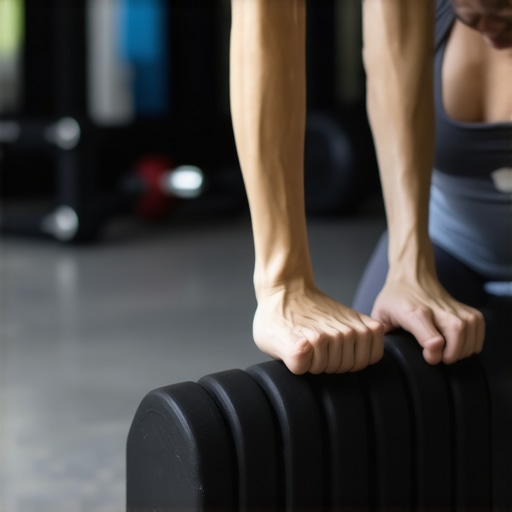
The Unexpected Lessons That Changed My Approach to Back Pain
One of the most eye-opening realizations I experienced was understanding that pain is often a symptom of deeper issues like muscular imbalances and poor alignment, rather than just a misfiring nerve or a quick fixable problem. I used to chase after quick relief through techniques like aggressive foam rolling or aggressive chiropractic adjustments, but I found that without addressing underlying movement patterns and stability, the pain kept returning. The real breakthrough came when I started focusing on holistic approaches—integrating mobility, core stability, and proper movement mechanics—that created lasting change rather than temporary relief.
My Secret Weapons for Sustainable Back Health
Over time, I’ve developed a toolkit of resources that truly make a difference. The T-spine mobility exercises are game-changers for maintaining upper back flexibility, which takes immense pressure off the lower back. My foam roller of choice is a high-density model I use daily to target tight hips and hamstrings—areas that often influence lumbar stability. Plus, apps that track my daily movement patterns help me stay proactive, spotting weaknesses before they escalate into pain. These tools have helped me shift from reactive measures to a strategic, lasting approach to back health.
Remember, Every Step Counts—Your Back Deserves It
Taking charge of your lower back health isn’t about dramatic changes overnight. It’s about consistent, mindful actions—integrating mobility routines, strengthening your core, and paying attention to postural habits—to build resilience. Your back is a complex but adaptable system that responds well to patience and proper care. Keep moving, stay curious, and celebrate small victories—because that’s how long-term relief becomes a reality. Are you ready to implement these lessons and give your back the care it truly deserves?
What’s one habit you’re going to start today to improve your back health? Share your plans below, and let’s support each other on this journey toward lasting wellness.