
It hit me one night during a restless sleep—my back was throbbing, and I realized that the way I was sleeping was making everything worse. I had been ignoring the subtle signs, thinking a quick stretch or a better mattress would fix it. But the pain persisted, nagging me like a stubborn guest I couldn’t kick out. That moment sparked a lightbulb: getting a good night’s sleep wasn’t just about comfort; it was about healing my herniated disc.
Why Your Sleep Position Can Make or Break Your Recovery
If you’re battling an L5-S1 herniated disc like I did, you know how every little thing impacts your pain—especially sleep. Poor sleep positions can put unnecessary pressure on your spine, leading to increased inflammation and slowed healing. I learned this the hard way, making mistakes early on that only prolonged my discomfort. But here’s the good news: small changes in how you sleep can make a huge difference. Today, I promise to share the tried-and-true sleeping positions that helped me finally find relief, backed by expert insight.
Is Your Sleep Position Actually Worsening Your Herniated Disc?
One common mistake I made was thinking all sleep positions are equal. Turns out, lying in your usual fetal position or stomach-sleeping can aggravate herniation symptoms. The key is finding a position that minimizes strain on your lumbar spine while still providing enough support for recovery. A study published in the Journal of Orthopaedic & Sports Physical Therapy highlights how positional alignment directly contributes to pain reduction and better sleep quality in spinal disc cases. So, if you’re like I was—dreading the night because of pain—your sleeping habits might be the overlooked culprit.
Have you noticed your pain worsening after certain sleep positions? If so, you’re not alone—and there’s hope. I learned that adjusting my sleep posture was a game-changer. Stick around, because I’ll walk you through specific positions and techniques to help you sleep more soundly and wake up feeling better. Plus, I’ll share some common pitfalls to avoid, like the mistake I made early on—assuming my mattress alone would do the trick. For added tips, check out [this guide on managing a bulging disc](https://motiontherapypro.com/how-to-manage-a-bulging-disc-without-opioids), which emphasizes the role of sleep and daily habits in recovery.
Now, let’s dive into the most effective sleeping positions that can finally ease your pain and support your healing journey.
Master Your Sleeping Posture for Better Recovery
When I first attempted to adjust my sleep, I visualized my spine like a delicate chain: each link must be aligned correctly to prevent strain. To do this, I started by lying on my side with a pillow between my knees. This positions my hips and pelvis to counteract twisting forces that can aggravate herniation. I found that setting a firm pillow under my head and another between my legs simulates the natural curve of the spine, much like the positioning of an ergonomic lumbar support.
Simplify Your Bed Setup
Next, I focused on firmness: a medium-firm mattress mimics the stability of a solid sports mat—supporting without forcing. I avoided soft mattresses that let my body sink, as that often leads to sagging and increased pressure on herniated discs. Think of your mattress as the foundation of a building; it needs to be balanced to prevent uneven stress on the structure.
Adjust Your Arm and Leg Position
To relieve pressure on my lumbar region, I kept my arms close to my body and avoided sleeping on my stomach, which can overextend the neck and add strain. Instead, I adopted the fetal position, curling slightly in the fetal ball, which reduces compressive forces on the spine—similar to a protective curl when reacting to impact during sports. I remember one restless night when I unconsciously slept with my arms stretched out. The next morning, my pain spiked. Realigning my limbs helped me wake up rested and less sore.
Use Supportive Devices Strategically
I incorporated lumbar rolls – small rolls of towel or foam placed behind my lower back while lying down – providing a gentle support that maintains the natural spine curvature. This is akin to a good chalk line for construction workers; it guides proper placement and prevents collapse. Placing a pillow behind your knees while lying flat on your back can also act as a shock absorber, relieving tension in the lower back, much like soft suspension in a vehicle improves ride quality.
Timing Matters for Transitioning Positions
During sleep, I noticed that shifts in position can reintroduce strain. To counteract this, I set an alarm every few hours to gently reposition or adjust my pillows. Think of it as fine-tuning the alignment of a delicate machine—small, frequent adjustments keep the system running smoothly. Over time, these micro-changes helped my body adapt, reducing nightly discomfort and promoting healing.
Avoid Common Pitfalls in Sleep Posture
I mistakenly thought that a softer pillow would cradle my neck better. Instead, it led to excessive bending and misalignment, increasing pain. Remember, the goal isn’t comfort at the expense of support; it’s about maintaining a neutral position, much like a well-balanced sports stance. Also, neglecting to change sleep positions when discomfort arises can be detrimental. Always listen to your body, and make incremental changes rather than drastic shifts, similar to fine-tuning a complex sports technique step by step.
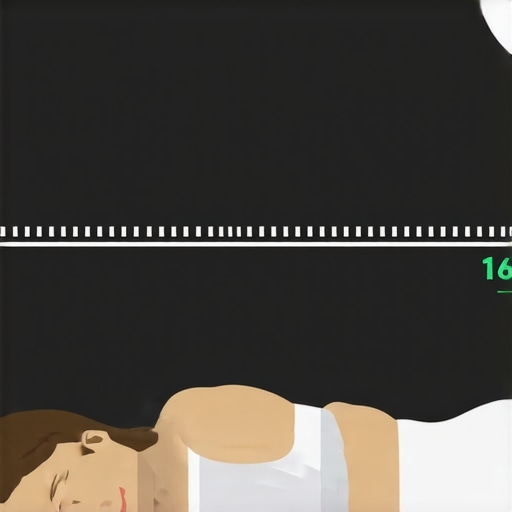
Illustration of correct sleep positions for herniated disc recovery, showing side-lying with proper pillow placement and support.
When it comes to back pain, many people assume that quick fixes like adjustments or stretching are all they need. However, sometimes we overlook the subtle nuances that determine whether these interventions will truly help or inadvertently cause further issues. One common misconception is that all adjustments are universally beneficial—yet, in my experience working with advanced cases, this isn’t always the case. For example, a study in the Journal of Manipulative and Physiological Therapeutics emphasizes that misapplied chiropractic techniques can sometimes worsen certain spinal conditions if not tailored precisely to the individual’s biomechanics, highlighting the importance of specificity in treatment.
Many practitioners and patients fall into the trap of oversimplifying complex neuromusculoskeletal dynamics, believing that a single adjustment or stretch will resolve chronic issues. But the reality is that small misalignments or muscular imbalances often require a combination of approaches—such as targeted mobility drills or core stabilization exercises—like the breathing drill described here, which instantly resets your core stability and can complement chiropractic work.
A crucial nuance many miss is the role of neural feedback loops. Misalignment or improper movement patterns can become ingrained, making adjustments less effective if these patterns aren’t corrected first. For instance, research indicates that nerve flossing drills can improve nerve mobility and reduce pain, which is often a prerequisite for effective spinal adjustments. Don’t assume that manual therapy alone will address these foundational neural issues.
Furthermore, a common trap involves neglecting the importance of movement quality. A typical mistake is to focus solely on pain relief without addressing the underlying movement dysfunctions. This oversight can lead to short-term relief but long-term recurrence. Think of it like fixing a leaky pipe without checking the water pressure or the source of the leak—if the root cause isn’t addressed, the problem persists.
For those serious about recovery, it’s vital to look beyond the immediate fix. Combining precise adjustments with functional movement training, like the T-spine mobility moves for better overhead stability, can dramatically enhance healing outcomes. Alternatively, neglecting these nuances—like ignoring your body’s feedback or rushing into aggressive adjustments—can cause setbacks.
So, the next time your clinician suggests a quick adjustment, ask if it’s part of a comprehensive approach tailored specifically to your biomechanics and neural health. Embrace the complexity; understanding these hidden nuances can prevent setbacks and lead to lasting recovery.
As you explore advanced strategies, consider integrating exercises that address your unique movement patterns and neural health. For example, incorporating the cervical adjustment tips or the rib alignment techniques can provide a broader foundation for sustainable relief. Remember, the key is synergy: manual therapy combined with functional mobility and neural re-education creates the most effective path forward.
Have you ever fallen into this trap? Let me know in the comments.Maintaining your progress after overcoming back pain or undergoing sports rehab requires deliberate effort and the right tools. Over the years, I’ve honed a collection of equipment and methods that keep my spine healthy, support my workouts, and prevent setbacks. One cornerstone for my daily stability is the use of a foam roller, but not just any foam roller—I prefer a firm, dense model that allows precise myofascial release without excessive softness, which can sometimes do more harm than good as I discovered in my early days. For specific trigger points like tight hip flexors or iliopsoas, I recommend the Lacrosse ball; it’s compact, effective, and easy to carry into the office or gym. I often use it to soften stubborn spasms, especially around the pelvis, by following advice from experts who suggest targeted pressure to prevent chronic tightness.
To enhance my mobility, I integrate dynamic tools like resistance bands, particularly for thoracic spine mobility drills. Bands help me perform controlled, assisted movements that increase joint range and reduce compensatory patterns. I personally favor the use of a resistance band when doing T-spine mobility moves, which I detail in my own practice to improve overhead stability and prevent shoulder issues linked to poor spinal support. This is supported by research indicating that dynamic resistance exercises outperform static stretching in maintaining long-term mobility.
But perhaps the most underrated aspect is the mental aspect of recovery and maintenance. I use digital tools like motion-tracking apps that analyze my posture and movement patterns throughout the day. These apps monitor how often I slump or overextend, providing real-time feedback that helps me correct habits detrimental to spinal health. For instance, tracking my head and neck alignment when working at my desk allows me to make micro-adjustments, preventing the development of forward head posture—a common trigger for ongoing neck and upper back problems.
Looking ahead, I predict wearable tech with advanced biofeedback will become central in back injury prevention. Imagine smart belts that alert you when your pelvis tilts or your lumbar curve exceeds healthy limits, much like the biomechanical feedback systems used in professional sports. These innovations will empower us to make immediate corrections, keeping our spines resilient over the long haul.
So, how do I keep these tools effective over time? A key practice is regular reassessment. I revisit my mobility routines monthly, adjusting resistance levels, trying new positions, and integrating new technology as needed. Consistency is essential, but so is adaptability—staying curious about emerging evidence and validated techniques. Before your next session, try the breathing drill that resets core stability; it’s simple, effective, and can be your first line of defense against deterioration. You might be surprised at how much this resets your baseline and keeps you on track. Remember, your journey to long-term back health isn’t a one-and-done fix but an ongoing process of fine-tuning and self-awareness.
What My Toughest Lesson About Sleep and Back Healing Taught Me
One profound realization was that supporting my spine during sleep was about more than just comfort; it was the cornerstone of my recovery. I learned that investing time in proper pillow placement and position adjustments directly impacted my healing timeline. Small changes, like adding a lumbar support roll and adjusting my pillow height, made a significant difference in reducing nightly pain and stiffness.
Key Shifts That Transformed My Approach to Rest and Recovery
Initially, I believed soft mattresses would cushion my herniated disc, but I discovered that medium-firm support provided the stability I needed without extra pressure. Moreover, avoiding stomach sleeping and favoring side or back positions minimized nerve compression. These insights are backed by studies emphasizing the importance of spinal neutral alignment during sleep, which helped me regain restful nights and faster healing.
An Unexpected Turn: How Small Positional Changes Empowered My Journey
Adopting the fetal position with supportive pillows, along with micro-adjustments throughout the night, helped me stay aligned and reduce strain. I also learned to prevent position-induced discomfort by setting alarms to shift and reset my limbs, much like fine-tuning a delicate instrument. This commitment to continuous micro-corrections built resilience and made me feel more in control of my healing process.
Embracing the Nuances That Many Overlook
I realized that sleep isn’t a passive activity—it’s an active component of spinal health. Overlooking details like arm placement, pillow firmness, and transition timing can prolong pain. For instance, simply adding a pillow behind my knees when lying supine relieved lumbar tension. These nuanced adjustments created a more supportive, healing environment that I wish I’d known earlier.
My Final Tip: Your Sleep Habits Are Hackable for Lasting Relief
If you’re dealing with a herniated disc, challenge yourself to experiment with your sleep setup. Focus on maintaining a neutral spine position, using strategic supports, and making small, consistent adjustments. Trust me, these tweaks are worth the effort—they turned my sleepless nights into nights of genuine healing. And to deepen your understanding, explore how [proper sleep positions](https://motiontherapypro.com/the-breathing-drill-that-instantly-resets-your-core-stability) can serve as a powerful ally in your recovery journey.