
It was a frustrating morning. I remember waking up feeling that familiar, pounding sensation in my neck—like I’d been ramming my head into a brick wall all night. Despite all my best efforts to stretch and loosen up, nothing seemed to help. It’s a feeling so many of us know all too well—tight, stiff, and utterly unrelenting. I used to believe that endless stretching would be my salvation, but I learned the hard way that sometimes, it’s not about stretching more; it’s about resetting the root of the problem.
When Neck Tightness Becomes a Daily Nightmare
Imagine this: You’re sitting at your desk, squeezing your shoulders up to your ears, trying to work through yet another headache or migraine. You pinch your neck, stretch your muscles, and hope that relief arrives. But it doesn’t. Instead, it worsens. I’ve been there. That sinking feeling when nothing seems to move the needle—your neck stays stubbornly tight, and your frustration grows.
But what if I told you there’s a better way? A method I discovered after countless hours of research and trial-and-error—something that targets the actual source of your discomfort instead of just stretching into the air and hoping for relief. That’s where the C5 reset comes into play.
The truth is, many of us spend too much time stretching and manipulating without addressing the real culprit—joint misalignments or nerve interference in the cervical spine. Early in my journey, I made the mistake of ignoring proper diagnostics and blindly stretching, which only made my pain worse. It’s a common mistake among even seasoned athletes and gym enthusiasts. Did you know that improper neck movements or habits can lead to chronic pain, and in some cases, worsen nerve issues? According to a 2022 study in the Journal of Physical Therapy, improper spinal movements can contribute heavily to persistent neck pain and tension.
So, what’s the answer? Today, I’m going to guide you through a simple, effective technique—the C5 reset—that I personally use and recommend. It’s designed to realign your neck, release tension, and restore mobility without the need for endless stretching or risky neck manipulations.
Are you tired of living with that constant, nagging neck tightness? Have you tried everything from massages to stretches, only to find yourself back at square one? If so, then this simple reset might just change your life.
And trust me, you’re not alone. I’ve seen countless people struggle with this issue, and I’ve also seen firsthand how effective the right adjustment can be. Stay tuned—next, we’ll dive into the specific steps to perform the C5 reset safely and effectively, setting the stage for a neck that moves freely and feels relaxed again.
Position Yourself Properly To Prepare For The Reset
Lie down comfortably on a flat, firm surface like a massage table or a yoga mat. Place a small pillow or folded towel under your head, ensuring your neck is in a neutral position—not tilted forward or backward. This setup minimizes additional strain and allows easy access to the cervical spine.
Identify The C5 Vertebra
Locate your cervical spine by tilting your head slightly forward. The C5 vertebra is roughly at the level of the base of your neck, just above your shoulders. You can use your fingers to palpate gently; it’s typically one or two inches below your ear and in line with your shoulder.
Gently Mobilize The Area
With fingertips, apply light pressure to the C5 area, moving in small circles to warm up the tissues. This step helps relax muscles and prepares the joint for realignment. Remember, avoid forceful movements—gentle is key to safety and effectiveness.
Perform The Actual Reset
Using your fingers, apply a controlled, gentle pressure directly on the C5 vertebra. As you do this, slowly bend your chin toward your chest and then gently extend your neck backward. The goal is to guide the vertebra into a more aligned position. Think of this as nudging a misaligned puzzle piece back into place—steady and deliberate movements work best.
Apply Controlled Pressure And Monitor Feedback
As you press slightly and move your neck, pay attention to any sensations of release or cracking. If you hear or feel a small adjustment, that’s a positive sign. If discomfort increases, reduce the pressure immediately. I recall once trying this myself, and initially, I felt a bit of tightness beforehand. With a steady hand and slow movements, relief came shortly after.
Hold And Breathe
Once you feel the joint shift, hold the position for 10-15 seconds while taking slow, deep breaths. Deep breathing helps relax the muscles around the joint, facilitating the adjustment. Visualize the tension melting away as your neck realigns naturally.
Reassess Your Neck
Gently move your head side to side, flex and extend, and observe how your neck feels. You may notice increased mobility and reduced stiffness immediately. Performing this reset regularly can gradually retrain your joint to stay in better alignment, decreasing overall tension and pain.
Incorporate Supplementary Techniques
For sustained benefits, consider integrating related mobility drills, such as soft tissue work or strengthening exercises—especially those focusing on deep neck stabilizers. For example, combining the C5 reset with some targeted isometric neck exercises can enhance stability. Want to know more? Check out [how to fix your posture without braces](https://motiontherapypro.com/how-to-fix-your-posture-without-buying-a-braces) for long-term improvements.
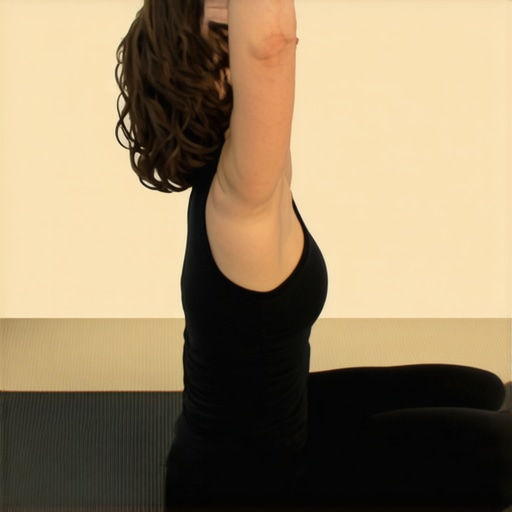 Many people believe that chiropractic adjustments are a quick fix for all back pain or that popping your neck will realign your spine safely. In reality, these misconceptions often lead to ineffective or even harmful practices. For example, the idea that every adjustment provides long-term relief is a common myth; skilled practitioners recognize that true healing requires addressing underlying movement patterns and tissue health, not just isolated joint manipulations. Moreover, some assume that chiropractic care alone can resolve complex issues like chronic back pain without integrating complementary strategies such as targeted rehab exercises or posture correction.
One frequent trap is oversimplifying the cause of back pain to misaligned vertebrae, ignoring the important role of soft tissues, fascia, and neuromuscular control. A nuanced understanding reveals that dysfunctions often stem from muscular imbalances, fascial restrictions, or faulty movement patterns rather than just joint misalignments alone. This is why combining adjustments with functional rehab, like strengthening and mobility drills, yields better results. For instance, incorporating specific exercises to improve ankle mobility can dramatically reduce knee stress during squats, which indirectly benefits spinal health.
Another overlooked aspect is the danger of over-reliance on passive treatments. Many patients assume that therapies like adjustments or massages are all they need without engaging in active, self-managed recovery. This approach can reinforce a cycle of dependency and delay true healing. Instead, enhancing your understanding of how to activate core stabilizers, breathe properly during exertion, or manage ergonomics at your workstation creates sustainable relief. For example, mastering proper breathing techniques during heavy lifts can prevent unnecessary spinal compression, as detailed in expert studies on respirational influence on core stability.
A common mistake among practitioners and patients alike is neglecting the detailed assessment of movement quality over time. It’s essential to look beyond the immediate pain relief and focus on restoring optimal neuromuscular control. This includes recognizing subtle signs like rib flare or lateral hip tightness that can sabotage adjustments or exacerbate pain if left unaddressed. Incorporating holistically focused mobility checks, such as the simple hip internal rotation fix, can be game-changers.
In terms of sports rehab, many tend to ignore the significance of proprioception and somatic awareness. Relying solely on strength training without refining movement precision can leave persistent vulnerabilities. For example, improving foot arch health through simple tweaks can prevent knee-related issues during running, illustrating how interconnected our musculoskeletal system truly is.
So, what’s the next step? Instead of falling for superficial fixes or misconceptions, seek out practitioners who emphasize a comprehensive, movement-based approach. Don’t forget, real progress comes from understanding and addressing the nuanced interactions within your body, not just quick manipulations. Want to deepen your knowledge? Explore how proper core engagement and alignment strategies support long-term back health.
Have you ever fallen into this trap? Let me know in the comments.Maintaining long-term health in your spine and neck requires more than just occasional adjustments or stretches. Having the right tools and methods can make all the difference in preserving mobility, reducing pain, and preventing setbacks. One essential item I personally swear by is a high-quality foam roller, especially for targeting fascia restrictions and soft tissue tightness that often undermine chiropractic adjustments. Specifically, a dense, firm foam roller allows you to perform myofascial release techniques that complement adjustments by freeing up restricted tissues around the spine and hips. For example, regular foam rolling can assist in alleviating persistent hamstring tightness, which may seem unrelated but actually influences lower back health, as explained in this post about why your hamstrings feel perpetually tight even after daily stretching.
Another indispensable tool is a lacrosse ball, which I use daily for self-application on knotty areas like upper traps or trigger points near your cervical spine. The precision of a lacrosse ball allows you to target specific hypertonic zones, promoting blood flow and mobility. I recommend including a simple routine of pressing the ball into tight spots for about 30 seconds, then slowly releasing to help the muscles reset. This is especially useful after hours at a desk or heavy training sessions, where soft tissues tend to tighten quickly.
Incorporating mobility straps, such as resistance bands, also plays a crucial role in my practice. These are perfect for assisting passive stretches and deepening ranges of motion safely. For instance, using a resistance band during shoulder mobility drills can improve your overhead shoulder range, which is vital for sustained neck comfort. They’re also excellent for strengthening the deep neck flexors and scapular stabilizers, which are often overlooked but essential for long-term postural health.
Software tools have become increasingly valuable as well. I use apps that facilitate guided mobility and rehab routines, such as [a dedicated mobility app], which offers tailored exercises and progress tracking. These tools help you stay accountable and ensure you’re performing corrective movements correctly over time.
Looking ahead, I believe wearable technology like biofeedback sensors for posture correction will become mainstream, enabling real-time adjustments and coaching. Monitoring your spinal alignment throughout daily activities could prevent bad habits from leading to chronic issues. Until then, integrating these practical tools into your routine ensures that your rehabilitation efforts extend beyond the clinic, fostering sustainable, long-term results.
How do I maintain my progress over time? Incorporate these tools into a consistent routine—start with daily foam rolling, targeted trigger point release, and mobility exercises using resistance bands. Regular check-ins with a professional for updated assessments can also help tailor your program as your body adapts. For a quick start, try rolling out your hamstrings and calves before your next workout. This small step can significantly reduce tension and prepare your body for movement, ultimately supporting your back and neck health. Remember, customizing your approach based on your specific needs is key to lasting results. Want a tailored plan? Contact your local specialist for personalized guidance, and explore more tips on how soft tissue work complements adjustments in the comprehensive articles I’ve shared.
Over my years of working with chiropractic adjustments and sports rehab, I’ve recognized that the journey to lasting relief is often riddled with misconceptions and overlooked truths. If you’re battling persistent neck tightness or back pain, understanding these insider lessons can make all the difference.
The Hardest Lesson I Learned About Chiropractic and Long-Term Healing
One of the most profound realizations I had was that quick fixes like pops and stretches only scratch the surface. True health lies in addressing the root causes — like neural interference or soft tissue restrictions — rather than chasing immediate relief. I learned that patience and a comprehensive approach trump impulsive adjustments every time.
3 Myths About Back Pain That Held Me Back
Believing that all back pain is due to misaligned vertebrae or that pain always equals damage can be dangerous. Muscle imbalances, fascia restrictions, and movement habits play a lurking role, often more significant than joint positioning. Busting these myths opened my eyes to a more holistic perspective on spinal health.
What No One Tells You About Personal Recovery You Can’t Find in Generic Guides
Self-awareness during rehab, like paying attention to subtle posture cues or breathing patterns, dramatically impacts progress. Developing a daily routine of mindful mobility and soft tissue work — like using a foam roller or a lacrosse ball — accelerates healing. Remember, body intelligence and consistent effort yield results beyond what any one adjustment can achieve.
My Essential Toolkit for Better Spinal and Neck Health
personally trust tools like a dense foam roller for fascia release, a lacrosse ball for pinpoint trigger point therapy, and resistance bands for strengthening—these are my go-to’s for maintaining alignment and mobility. Combining these with guided mobility routines from reputable sources ensures a balanced, sustainable recovery plan.
Your Next Step Starts Now—Embrace Real Change
Don’t let misconceptions keep you from achieving a pain-free neck and back. Small, consistent actions — like performing the C5 reset properly or integrating soft tissue techniques into your daily routine — are powerful. Remember, your path to better health is a marathon, not a sprint, and every step counts.
What’s the biggest myth about neck or back pain you’ve believed? Share your thoughts below and let’s bust those myths together!