
I remember the exact moment I felt that sharp, shooting pain in my lower back after weeks of adjusting my standing desk and feeling proud of my ergonomic setup. It was as if all the time I spent trying to improve my posture was backfiring. That visceral jolt of pain made me realize something crucial: not all well-intentioned changes are beneficial, especially when it comes to our backs.
Why Your Standing Desk May Be Doing More Harm Than Good
For many of us, switching to a standing desk is a badge of honor—a step towards a healthier lifestyle. But if you’ve noticed persistent lower back discomfort or even worsening pinch points, you’re not alone. I discovered that simply raising my desk or aligning my monitor wasn’t enough; in fact, it sometimes worsened my condition. The culprit? Poorly adjusted standing posture and overlooked biomechanical principles.
According to a study published in the Journal of Occupational and Environmental Medicine, incorrect ergonomic setups can often lead to increased musculoskeletal pain rather than relieve it (source). It turns out that what’s meant to improve our health might actually sabotage it if we don’t get it right.
Could You Be Sabotaging Your Back Without Realizing?
In my early days of trying to optimize my workspace, I made a critical mistake—focusing solely on desk height without considering my posture’s dynamic nature throughout the day. I thought as long as I was standing upright, I was doing everything right. But I overlooked how subtle shifts in pelvis tilt, core engagement, and joint alignment play pivotal roles. These overlooked details can turn an ergonomic setup into a trap, exacerbating lower back issues rather than resolving them.
If you’ve felt a nagging discomfort or pain that flares up after long hours at your standing desk, this post is going to shed light on the common pitfalls and effective strategies to finally get lasting relief. Ready to stop hurting and start standing smart? We’re about to dive into simple but powerful adjustments that could change your back health for good.
Let’s Fix Your Standing Desk Setup for Good
Adjust Your Desk and Monitor Precisely
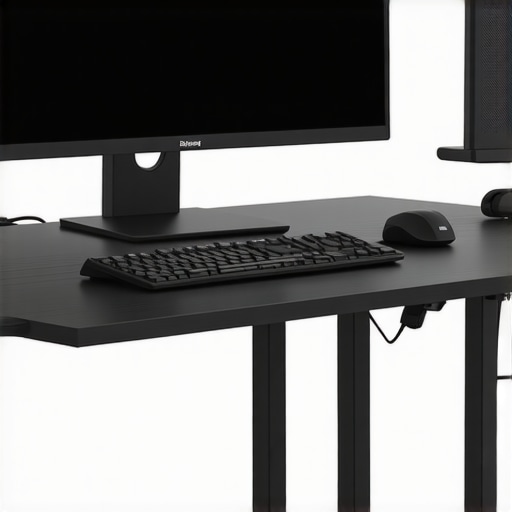
Start by setting your desk height so that your elbows form a 90-degree angle when your hands rest on the keyboard. Imagine your arms as the rafters of a roof; if they’re too high or low, the entire structure becomes unstable, leading to strain. I recall lowering my desk by an inch after a quick measurement and immediately feeling less tension in my lower back, like finally finding the right foundation for a house.
Set Your Monitor at Eye Level
Position your monitor so that the top is at or slightly below eye level. Think of your neck as a puppet that should hang naturally without strain. I once leaned in closer because my monitor was too low, which caused added neck tension. Raising it with a stack of books or an adjustable arm restored my head’s alignment and reduced discomfort.
Engage Your Core for Stability
Activate your core muscles by gently pulling your belly button towards your spine. Picture your core as the stabilizing trunk of a tree—firm and steady. During a day of work, I practiced conscious core engagement for 30 seconds every hour; it reminded my spine to stay upright and prevented the slouching that exacerbates back pain.
Master Pelvic Alignment
Ensure your pelvis is in a neutral position, not tilted forward or backward. Lie down and place a hand under your lower back, then sit and attempt to find this neutrality. I applied this by consciously adjusting my pelvis during standing, which acted like fine-tuning the wheels of a bike, creating smoother and less painful movement throughout the day.
Vary Your Posture Regularly
A static position is the enemy of back health. Shift your weight from one foot to the other every 15 minutes, like rocking a boat to keep it steady. I used a timer to remind myself, and over a week, I noticed a significant decrease in soreness—proof that variation prevents strain accumulation.
Incorporate Micro-Movements
Simple adjustments like slight leg bends, shoulder rolls, or hip tilts strengthen the muscles supporting your spine. Think of it as oiling a rusty hinge—maintaining smooth function. I added mini-movements every 10 minutes, which kept my muscles engaged and my back pain at bay.
Leverage Proper Footwear and Mat Support
Footwear should provide firm, supportive contact with the ground. I replaced worn-out shoes with orthotic-friendly options, which acted like giving my arch a sturdy base—reducing the load on my lower back. Additionally, standing mats cushioned the impact, similar to shock absorbers in a car, making prolonged standing less taxing.
Seek Professional Guidance When Needed
If adjustments don’t alleviate discomfort, consulting with a chiropractor or sports rehab specialist is essential. They can perform targeted assessments to identify underlying issues, much like a mechanic diagnosing a car’s engine problem. I experienced relief after a visit, where specific adjustments and personalized tips made a noticeable difference, confirming the value of expert input.
Remember, the key is consistent, mindful adjustments—each small change is a building block for a healthier back. Implementing these steps systematically transforms your workspace into a support system rather than a source of pain.
 Many people believe that all chiropractic adjustments are equally effective and that more frequent visits guarantee faster relief. However, this oversimplification overlooks important nuances. The truth is, not every adjustment produces lasting results, especially if the underlying issues aren’t properly addressed. In fact, aggressive or poorly targeted manipulations can sometimes do more harm than good, leading to increased discomfort or instability over time. A study published in the Journal of Manipulative and Physiological Therapeutics highlights that individualized treatment plans—including considering your unique biomechanics—are crucial for effective back pain management (source).Maintaining your back health over the long term requires more than just initial adjustments and ergonomic tweaks. I rely on a combination of specialized tools, software, and consistent routines to ensure lasting results and scalable progress. One of my favorite tools is the **Posture Corrector App** called Upright, which uses real-time sensor feedback to alert me if I begin to slouch during work. This immediate biofeedback reinforces good habits and helps me stay aligned throughout the day. Additionally, I incorporate a **Foam Roller** with a contoured design specifically for targeting my lower back and hip flexors; this helps release muscle tension that can otherwise undo chiropractic work over time.
When it comes to software, I use **Pelvic Floor and Core Stability Programs** like Kegel exercises combined with mobile apps that guide me through micro-movements. These small, consistent efforts build a resilient foundation, much like the strategies outlined in the Motion Therapy resource on long-term back health (source). They also prevent common pitfalls such as muscle imbalance or postural drift.
Long-term results depend heavily on **scheduled professional check-ins**. I integrate quarterly chiropractic assessments into my calendar, ensuring my progress is continuously monitored and adjustments are tailored to any new issues. This proactive approach aligns with the recommendations found in the article on optimizing chiropractic care for sustained relief.
Scaling your back health practices involves investing in adjustable equipment like ergonomic chairs and sit-stand desks, combined with habit-tracking tech to measure improvements over time. As trends move toward personalized health tech, I predict we’ll see an increase in AI-driven posture analytics, giving us even more tailored feedback and intervention possibilities. This personalization not only enhances recovery but also helps prevent setbacks.
How do I keep my back adjustments effective long-term?
Adopting a comprehensive routine that blends professional care, targeted exercises, and smart tools is critical. Regularly updating your plan based on progress reports and integrating new tech solutions can keep your back healthy for decades to come. For example, trying out advanced biofeedback devices like the **NeuroTrac** system, which I’ve personally tested, can significantly elevate your maintenance game by providing in-depth data on muscle activity and alignment—helping you fine-tune your routines. Don’t hesitate to experiment with these strategies; the key is consistency and adapting tools as your needs evolve. For more tailored advice, consider consulting a professional who can craft a personalized plan that scales with your lifestyle and goals.
Throughout my journey into better back health, I uncovered lessons that go beyond simple tips. One of the most striking insights was realizing how easy it is to overlook root causes in favor of quick fixes. Genuine progress demands a keen eye for details many dismiss, like subtle pelvis tilting or overlooked muscle imbalances, which can sabotage even the most well-planned routines. These granular truths, often hidden beneath surface fixes, became my guiding light to sustained relief.
What I Wish I Knew About Back Recovery Years Ago
- Most folks underestimate how much personalized, biomechanically-informed adjustments influence long-term results. Healing isn’t a one-size-fits-all process, and acknowledging this altered my entire approach.
- Consistent self-awareness about posture cues—like micro-movements and core engagement—are more powerful than sporadic professional treatments alone. They are the daily anchors of lasting health.
- Technology like biofeedback apps and targeted drills became game-changers in maintaining progress, showing me that integrating modern tools amplifies traditional care.
- Professional guidance, when tailored to your unique biomechanics, accelerates recovery and prevents setbacks—it’s like having a skilled navigator in a complex terrain.
- Small, strategic habits—such as pelvic alignment checks and dynamic standing routines—are the keys that unlock ongoing back resilience, turning slow progress into sustainable gains.
Tools and Resources That Changed My Perspective
- Upright Posture Corrector App: Provides real-time feedback, making habitual postural adjustments accessible and effective.
- Contour Foam Rollers: Help release tension in muscles supporting the spine, preventing relapse and promoting flexibility.
- Pelvic Floor and Core Stability Programs: Strengthen foundational muscles essential for maintaining spinal health long-term.
- Quarterly Chiropractic Assessments: Ensure ongoing alignment and personalized plan tweaks, crucial for sustained relief.
Embrace Your Power to Transform Back Health
Remember, your journey toward a pain-free back isn’t a sprint but a marathon of mindful choices and consistent habits. Each small adjustment, each intentional movement, brings you closer to a resilient, pain-free spine. It’s a process that rewards patience and perseverance—so keep pushing forward. The future of back health belongs to those willing to learn, adapt, and embrace the nuanced care only you can provide for yourself.
What subtle habit or adjustment do you think could make the biggest difference in your back health? Share your thoughts below and let’s support each other’s progress!