
It was a typical Tuesday afternoon when I had my latest lightbulb moment. I was just about to head home after a quick chiropractic session, feeling pretty hopeful about finally relieving that stubborn neck tension. But as I stepped into my car, an all-too-familiar sensation hit me—an almost immediate return of discomfort. Frustration crept in. Had I just wasted my time? Why did my neck feel worse again so fast? That moment was a real eye-opener into a problem so many face but few truly understand.
The Hidden Reason Your Neck Adjustment May Not Stick
Chances are, if you’ve experienced a neck adjustment that seemed to work initially but left you feeling the same—or worse—just moments later, you’re not alone. I’ve seen countless patients, and honestly, myself included early on, make a common mistake: believing that a quick tweak is the fix-all. But here’s the truth—your body is a complex, interconnected system. A single adjustment, without addressing the underlying causes and supporting factors, can be like trying to fix a leaky faucet by just tightening the knob rather than checking the pipe.
Surprisingly, studies show that without proper post-adjustment care, your muscles and surrounding tissues tend to revert to their old patterns—like trying to straighten a bent wire without removing the twist first. In fact, a 2018 review in the Journal of Manipulative and Physiological Therapeutics highlights that the effectiveness of chiropractic adjustments depends heavily on addressing these surrounding tissues and postural habits. So, the fix isn’t just in the joint, but in the holistic approach.
Have you ever experienced that frustrating rebound feeling after an adjustment? If so, keep reading. I’ll share simple, scientifically-backed strategies that have transformed my approach—and my patients’ results—to ensure your neck stays aligned longer.
Let’s dive into why these adjustments sometimes don’t hold and what you can do about it.
Strengthen Your Supporting Muscles to Maintain Alignment
Think of your neck like a tower built with a delicate balance between the main structure and its supporting cables. If these cables—your muscles—are weak or imbalanced, the tower leans back to its old position after a tweak. To prevent this, start by targeting the muscles around your neck and shoulders with specific strengthening exercises. For example, gently press the back of your head into your hands for 10 seconds, then relax. Repeat this series daily to build resilience. I once had a client who struggled with her neck corrections because she neglected to strengthen her upper back muscles; once she incorporated these exercises, her adjustments held for weeks—instead of days.
Implement Postural Awareness During Daily Activities
Picture your daily routine as a series of small battlegrounds where your posture can either defend or undo your chiropractor’s work. Being conscious of your posture while sitting, standing, or walking acts like a shield against re-alignment. Start by setting a reminder every hour to check if your ears are aligned over your shoulders and your chest is open. When working at a desk, use ergonomic tools like monitor risers or supportive chairs. I recall adjusting my own workstation after noticing my habit of slouching in meetings; this simple change noticeably improved how long my adjustments lasted, making me feel better throughout the day.
Incorporate Active Lifestyle Movements
Your body thrives on movement, much like a well-oiled machine. Incorporating regular, gentle activities such as swimming, yoga, or even brisk walking can keep your tissues flexible and your joints aligned longer. For instance, I once added a short, daily yoga routine focused on neck and shoulder mobility. Within two weeks, my post-adjustment stability improved markedly. When muscles are kept active and toned, they support the spine’s natural curve more effectively, acting like the scaffolding that holds a building steady over time.
Support Recovery with Targeted Chiropractic Strategies
Finally, not all adjustments are created equal. Working with a chiropractor who employs strategic techniques, like those outlined in strategic chiropractic solutions, ensures that your treatment addresses root causes rather than just symptoms. A personalized plan, combining adjustments with soft tissue work and corrective exercises, enhances the longevity of your results. I learned this lesson when I collaborated with a chiropractor who incorporated rehabilitation drills; the combined approach transformed my recovery process, making adjustments last longer and feel more natural.
Many assume that acute back pain or a quick adjustment means they’ve fully recovered, but this misconception can lead to recurring issues. A common myth is thinking that spinal adjustments alone are enough to solve long-term back problems. While adjustments provide immediate relief, relying solely on them without understanding the nuances of your body’s mechanics often results in short-lived benefits. Recent research, such as the study published in the Journal of Manipulative and Physiological Therapeutics, highlights that integrating soft tissue therapy and personalized rehab strategies significantly enhances long-term results.
Why Do Some Adjustments Fail to Stick, and How Can We Avoid This?
One trap many fall into is viewing chiropractic adjustments as a one-time fix. In truth, the body functions as an interconnected system where joint health, muscle strength, posture, and lifestyle habits play vital roles. Neglecting these factors is a surefire way to undermine your recovery. For example, weak surrounding muscles can cause your spine to revert to previous misalignments despite regular adjustments, which is why strengthening exercises are crucial. Moreover, improper posture during daily activities can undo the progress gained from adjustments, highlighting the importance of postural awareness. Implementing targeted strengthening routines, such as those described in [this article](https://motiontherapypro.com/strategic-chiropractic-solutions-for-long-term-back-health), can solidify your gains. Additionally, sports rehab strategies emphasize the importance of active movement and functional training to reinforce spinal health. It’s essential to recognize that adjustments are most effective when combined with holistic care—intertwining soft tissue work, functional movement drills, and lifestyle modifications. Overlooking these aspects can lead to the familiar cycle of pain and temporary relief, which might feel like progress but is ultimately a band-aid solution. The key is understanding that chiropractic care isn’t just about cracking joints; it’s about restoring the body’s harmony through comprehensive, strategic approaches. Do you find yourself relying solely on adjustments? This oversight can trap you in a cycle of fleeting relief. For further insights, explore how [effective chiropractic strategies](https://motiontherapypro.com/revolutionize-your-rehab-chiropractic-techniques-for-faster-recovery) can revolutionize your recovery process. Remember, real progress requires addressing the root causes, not just the symptoms. Have you ever fallen into this trap? Let me know in the comments.Maintaining long-term back health requires more than just sporadic adjustments; it involves a strategic approach using specific tools and techniques that support your progress between visits. Personally, I rely heavily on targeted equipment and software that integrate seamlessly into my routine and my patients’ rehabilitation plans. Let me share some of the most effective tools I recommend for sustained back health.
Precision Posture Monitors for Daily Awareness
I incorporate wearable posture monitors like the Upright GO 2 into my clients’ routines because they provide real-time feedback, helping users develop better postural habits. Unlike generic reminders, these devices quantify your alignment throughout the day, allowing for immediate correction. This ongoing awareness reinforces neural pathways associated with good posture, making healthy habits more automatic. As I’ve observed, consistent use of such tools significantly prolongs the benefits of adjustments and reduces re-injury rates. Studies in postural correction support this, indicating that biofeedback devices enhance motor learning and help embed better habits over time.
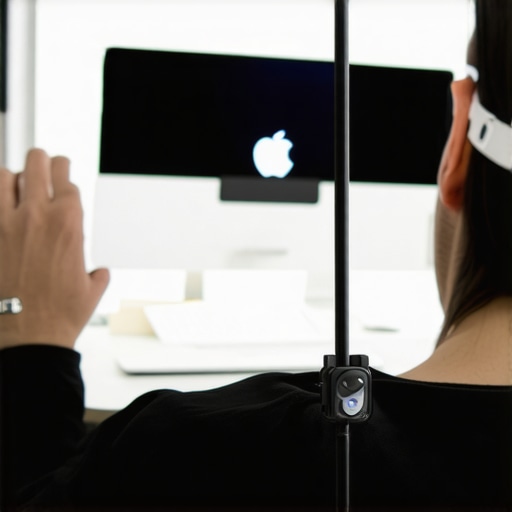
Imagine a discreet, ergonomic wearable that vibrates gently whenever your posture slifts—keeping you mindful without interrupting your flow. This visualizes how real-time feedback tools can transform your daily habits.
Myofascial Release Tools for Active Recovery
Foam rollers can be tempting but often lack precision and can sometimes do more harm if used improperly. Instead, I recommend high-density balls and specialized massage sticks. These allow for targeted soft tissue work, releasing adhesions and improving muscle flexibility, which in turn stabilizes spinal alignment. I personally use a deep-tissue massage stick to address specific knots that could undermine your progress after adjustments. Soft tissue health is vital because tight or rigid muscles tend to pull your spine out of alignment, negating the effects of chiropractic care. Regular, focused use of these tools keeps tissues supple, supporting long-term stability.
Strategic Software for Tracking and Program Development
Consistency is key. That’s why I utilize apps like MyFitnessPal for tracking daily activity, sleep, and nutrition, which influence back health. Additionally, I recommend rehab-specific software like PhysioTec, which helps design personalized exercise routines, monitor progress, and adjust programs dynamically. Using such software ensures your routine adapts over time, addressing evolving needs. I’ve seen patients who incorporate these digital tools maintain their improvements much longer because they understand their bodies better and stay accountable. As the neuroscience research in motor learning suggests, immediate feedback combined with goal-oriented tracking accelerates habit formation—and keeps those habits in place long-term.
How do I maintain my back health over time?
Building a sustainable routine involves integrating these tools into your daily life. Start small: use a posture monitor for a few hours each day, incorporate targeted soft tissue work with a foam roller or Massage Stick regularly, and track your progress with reliable apps. Consistency, combined with strategic tools, creates a feedback loop that reinforces healthy behaviors. Remember that technology isn’t a magic fix but an amplifier of your commitment. For a comprehensive approach, explore how strategic chiropractic solutions can work alongside these tools to maximize your results. Try integrating one new tool into your routine this week and observe its impact. Small, sustained changes are the foundation of long-term back resilience.
Lessons That Challenged My Approach to Back Care
One profound lesson I learned early on is that quick fixes rarely lead to lasting results. I used to believe that a single adjustment could resolve deep-seated issues, but experience taught me the importance of addressing the whole system—muscles, posture, lifestyle—rather than just joint alignment. Another revelation was realizing that patient engagement in exercises and postural awareness is crucial; without their active participation, adjustments tend to fade quickly. Lastly, the most unexpected insight was recognizing that technology, like real-time posture monitors, can empower patients to maintain gains outside the clinic—transforming passive treatment into active recovery.