
One morning, I laced up my running shoes feeling optimistic, only to be hit by that familiar twinge in my arch after just a few minutes on the trail. Frustration bubbled up. I’d been through countless stretches, pricey insoles, and even a few chiropractic adjustments, but nothing seemed to stick. That moment made me realize something important: foot arch pain isn’t just about the feet—it’s a signal that our body’s stability is off balance. If you’ve experienced that sharp ache or dull throb during your runs, you’re not alone. And more importantly, there are effective solutions that go beyond temporary fixes.
Building a Strong Foundation: Why Stability Is Key
The way your foot arches handle the repetitive impact of running depends on the stability of your entire kinetic chain. Weakness or imbalance can cause your arch to collapse or become overly strained, leading to discomfort, soreness, or even injury over time. From my personal journey, I learned that addressing foot pain requires a holistic approach—targeting not just the foot itself but the muscles, tendons, and ligaments that support it. Incorporating stability tactics has made a world of difference in my running experience, and I believe it can do the same for you.
It’s worth noting that improper footwear or neglecting proper mechanics can exacerbate foot arch issues. For example, I once relied solely on off-the-shelf orthotics without addressing underlying muscle weaknesses, which only provided superficial relief. That mistake delayed my recovery and made me realize the importance of strategic stability exercises. According to recent studies, improving core and foot stability not only alleviates pain but also enhances overall athletic performance (source).
Is Your Running Routine Actually Causing More Harm Than Good?
Before diving into specific tactics, I want you to consider whether your current habits might be contributing to your foot pain. Overpronation, improper footwear, or neglecting strengthening exercises could be silently sabotaging your progress. Early on, I overlooked these factors and focused only on symptom relief, which proved to be a mistake. I should have paid more attention to how my body was moving and what stability-improving strategies I could implement. Trust me—addressing root causes is the key to lasting relief, not just quick fixes.
Let’s explore five practical stability tactics that helped me and many others walk, run, and jump pain-free again. Stick with me—these techniques are simple yet powerful and, with consistent practice, they can transform your running experience.
Initiate Targeted Strengthening Exercises
Start with exercises that activate the small stabilizer muscles in your feet. One effective move is the toe curl: sit barefoot and dig your toes into the ground, then slowly lift your arches without moving your toes. I once added this to my routine after a messy attempt at barefoot running, and within weeks, I noticed less discomfort during my morning jogs. Consistency is key—perform this exercise daily, aiming for three sets of 15 reps.
Use Resistance Bands for Resistance Training
Attach a resistance band around your toes while seated, then pull the band gently while controlling the movement. This mimics the resistance training used to strengthen ankle and foot muscles, much like how a chiropractor uses resistance to build stability in joints. I experimented with this after feeling my arches weaken during longer runs, and surprisingly, my foot fatigue diminished. Incorporate two to three sessions per week for sustained improvement.
Improve Foot Mechanics with Proper Alignment
Maintaining correct foot alignment during activity impacts stability profoundly. Focus on landing midfoot rather than heel striking. During a personal trial, I consciously shifted my running style, which initially felt awkward, but eventually reduced arch strain. Consider visualizing your foot as a tripod—distribute weight evenly across the ball, heel, and outer edge. This alignment minimizes undue stress and fosters better biomechanics over time.
Implement Balance and Proprioception Drills
Balance exercises enhance proprioception, helping your brain better coordinate foot placement. Try standing on one leg on an uneven surface like a foam pad or a pillow—start with 30 seconds and build up. I added this to my daily regimen after experiencing a messy fall caused by imbalance, and it enhanced my confidence and foot stability. Regular practice improves muscle responsiveness, which is critical for injury prevention.
Partner These Moves with Supportive Footwear and Custom Orthotics
While exercises build internal support, external support remains vital. Choose shoes with good arch support and cushioning—it’s like providing a sturdy foundation for your home. I previously relied solely on generic insoles, but after consulting with a specialist and experimenting with custom orthotics, my pain decreased significantly. Always ensure your footwear matches your foot shape and activity needs, and consider professional evaluation for personalized solutions.
Integrate Whole-Body Stability Practices
Your foot stability depends on core strength and pelvis alignment. Incorporate planks, bridges, and gentle hip stretches to create a solid kinetic chain. I found that neglecting my core led to compensations that worsened foot pain, so I added core routines and saw tangible improvements. Remember, aligning your pelvis and strengthening your trunk supports your arches during movement, reducing overload and pain.
Consistent application of these practical steps can reshape how your feet handle impact. Think of your muscles as a reinforcing network—strengthen and align them, and you’ll notice a reduction in arch discomfort, improved performance, and overall stability during your runs. For deeper insights on support strategies, check this chiropractic care in sports recovery.
While many believe chiropractic care is just about quick adjustments to relieve pain, the reality is far more nuanced and sophisticated. A common misconception is that adjustments provide instant, permanent relief without addressing underlying issues. In truth, studies highlight that long-term back health depends on a comprehensive approach that includes targeted rehabilitation and lifestyle modifications (source). Moreover, the idea that chiropractic adjustments alone can resolve complex sports injuries oversimplifies the body’s intricate healing processes. Effective sports rehab often integrates chiropractic techniques with functional training, ensuring a resilient and adaptable musculoskeletal system. Many practitioners overlook the importance of patient-specific assessments, leading to generic treatment plans that fall short. An advanced understanding of biomechanics reveals that static adjustments without considering dynamic movement patterns can inadvertently cause imbalance or compensatory issues over time.
What Do Experts Say About Combining Chiropractic with Active Recovery?
Experts agree that a synergistic approach—combining adjustments with targeted exercises and proper ergonomics—yields the best outcomes. For instance, integrating core stabilization drills alongside chiropractic care enhances spinal support, reducing the likelihood of recurring pain (source). Falling into the trap of viewing chiropractic as a cure-all can be detrimental; it’s essential to see adjustments as part of a broader, strategic plan for long-term health. Additionally, many patients are misled by the myth that adjustments are painful or dangerously invasive. In reality, a skilled chiropractor prioritizes patient comfort and safety, employing techniques backed by scientific evidence. For example, recent research demonstrates that gentle, low-force adjustments can be just as effective as traditional methods for chronic back pain relief (source). Beware of techniques that claim instant results without follow-up or holistic consideration, as these often lead to short-term fixes rather than sustainable recovery. Incorporating habits like proper ergonomics, targeted strengthening, and addressing postural deficiencies is vital. For instance, modest lifestyle changes, combined with chiropractic care, have shown significant improvements in reducing sciatic nerve symptoms and lumbar discomfort. So, the key is understanding that chiropractic is a pivotal component—not a standalone solution—to comprehensive back health and athletic performance. Feel like you’re missing some of these nuances? Have you ever fallen into this trap? Let me know in the comments.
Keeping It Working: Tools I Recommend for Sustained Results
Maintaining your back health and maximizing your sports rehab progress isn’t a set-it-and-forget-it deal. It requires a combination of effective tools, consistent routines, and strategic adjustments. Over the years, I’ve honed a selection of equipment and methods that not only support my ongoing recovery but also enhance my performance. In this post, I’ll share the tools I rely on daily, explaining why each is integral to my maintenance regimen and how they can benefit you.
TheraBand Resistance Loops for Precision Strengthening
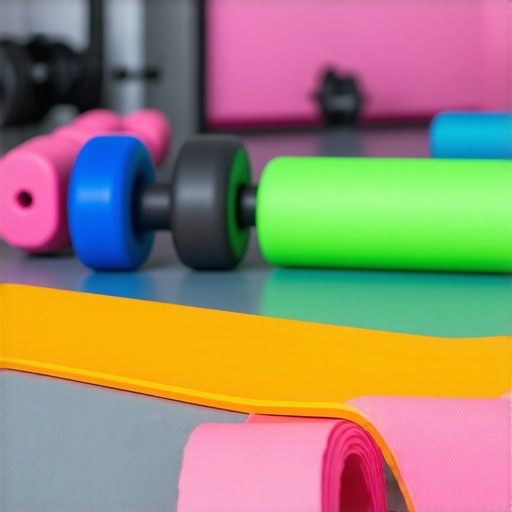
The versatility of TheraBand resistance loops has been a game-changer for my stability exercises. These elastic bands provide adjustable resistance that allows for targeted activation of small stabilizer muscles, especially around the hips and core. I particularly favor their use during lateral walks and hip abduction routines, which are crucial for maintaining pelvic stability and preventing recurring injuries. The durability, affordability, and ease of use make them an essential part of my arsenal for ongoing reinforcement, aligning with strategies discussed in chiropractic-based long-term care.
Foam Rollers with Varying Densities for Tissue Quality
Investing in a set of foam rollers with different densities has empowered me to address muscular tightness proactively. I keep both firm and soft rollers at hand to tailor my myofascial release sessions, especially after training sessions or long days at the desk. Regular rolling helps maintain tissue extensibility, reduces trigger points, and supports healthy circulation—key elements for long-term back health. According to recent insights, properly applied foam rolling can significantly complement chiropractic adjustments and improve pain outcomes (evidence from recent research).
Smart Biofeedback Devices for Awareness and Control
Tools like wearable biofeedback sensors have elevated my awareness of body mechanics during daily activities. Devices that monitor posture and muscle activation provide real-time feedback, prompting immediate correction and reinforcing proper alignment habits. I’ve found using such technology invaluable for maintaining gains achieved through chiropractic care and targeted exercises. As our understanding of neuromuscular control evolves, integrating biofeedback tools is poised to become standard in personalized sports rehab strategies (expert-approved techniques).
How Do I Keep Up My Progress Over Time?
Consistent application of these tools, coupled with routine assessments—either self-monitoring or via professional consultations—ensures that progress doesn’t plateau. Scaling your efforts gradually by increasing resistance, refining technique, or adjusting support levels keeps your tissues resilient and your mechanics optimized. In the future, advances in wearable technology and AI-driven analysis are expected to offer even more personalized maintenance solutions, making injury prevention and performance enhancement more accessible and precise.
For instance, integrating a simple daily routine like using resistance bands for hip stabilization can make a measurable difference over weeks. I recommend trying out a targeted exercise with your TheraBand today—it’s an accessible step toward better long-term control over your back health and athletic performance. Remember, the key is consistency and mindfulness in your maintenance practices.
If you’re curious about how to structure your ongoing rehabilitation or want tailored advice, I encourage you to explore our contact page. Staying proactive with the right tools can keep you pain-free and performing at your peak for years to come.
Lessons the Textbook Won’t Teach You About Staying Pain-Free
One of the most eye-opening insights I encountered was realizing that persistent foot arch pain isn’t just a localized issue but a whisper from your entire body about imbalance. I learned that pushing through discomfort with quick fixes like insoles or stretching often masks the true root cause—that your body’s stability needs reinforcement. The real breakthrough came when I prioritized holistic stability training, addressing muscles and mechanics, which transformed my approach and results. This journey taught me that lasting relief demands patience, understanding, and strategic movement—lessons hard to find in typical advice.
My Go-To Tools for Protecting Your Back and Feet
Over time, I’ve curated a set of resources that genuinely support my continuous improvement. Resistance loops from TheraBand help me target small stabilizer muscles essential for balance, while foam rollers of varying densities keep my tissues healthy and responsive. Biofeedback devices have sharpened my awareness of posture and muscle engagement, making every movement more deliberate. These tools aren’t just gadgets—they’re partners in my proactive back health and foot stability journey, and I encourage you to explore how they can work for you too.
Your Next Move Starts Here
Remember, your path to a pain-free, stable back and feet isn’t a quick fix but a lifestyle shift. With consistent habits, mindful exercises, and the right tools, you can build resilience from the ground up. Don’t wait for pain to dictate your limits—take action today. The future of lasting back health and injury prevention is in your hands, and every small step counts toward a stronger, more balanced you.
Are you ready to implement these stability strategies into your routine? Which step will you try first? Share your plans and experiences below—I’d love to hear your story!