
I remember the exact moment I realized I had been doing it all wrong with my ankle sprain. There I was, hobbling around after a run, reaching for a bag of ice like it was my lifeline. But that icy grip didn’t bring relief—it made everything worse. It was a lightbulb moment, one that changed my entire approach to injury recovery.
If you’ve ever been told to ice an injury immediately, chances are you’re still doing it—and maybe even stubbornly. But what if I told you that that beloved go-to might be sabotaging your healing process?
Today, I want to share why ditching the ice could be the best decision you make for your recovery. I’ll guide you through the science, bust some common myths, and show you a better way to treat swelling and pain. Trust me, I’ve been there, and I’ve seen firsthand how the right approach accelerates healing.
Why Icing Your Ankle Might Be Doing More Harm Than Good
For a long time, I bought into the classic advice: when you sprain your ankle, ice it immediately. The logic seemed sound—reduce swelling, numb pain, and get back on your feet faster. However, early on, I learned that this approach isn’t backed by the latest research. In fact, icing can inhibit the very healing processes your body needs to repair tissue.
When I started paying attention to my body’s responses and consulting reputable sources, I discovered that sustained cold application can slow circulation, impair the removal of inflammatory debris, and delay tissue regeneration. You can read more about the science behind this at [The Science Behind Chiropractic Adjustments for Back Pain Relief](https://motiontherapypro.com/the-science-behind-chiropractic-adjustments-for-back-pain-relief), which emphasizes the importance of proper blood flow in recovery.
Have you ever experienced that initial numbing after icing, only to feel stiffer and more uncomfortable later? That was my experience, and it’s common. Instead of ice, some experts suggest gentle movement, compression, and elevation to support natural healing.
In my journey, I also realize that many people, including myself early on, make the mistake of thinking that pain and swelling are enemies—when in reality, they’re signs your body is working to heal. Suppressing these signals with ice can sometimes do more harm than good.
So, what’s the alternative? Well, I’ll walk you through practical steps soon, but for now, understanding why icing isn’t the miracle cure it’s often made out to be is the first step.
If you’ve been relying on ice to fix your injury, ask yourself: am I truly helping my body heal faster, or am I unintentionally holding myself back? Many individuals have found relief and quicker recovery by embracing smarter strategies—something I’ll explore in the next sections.
Activate Gentle Movement Early
After the initial injury, I found that staying still only prolonged my discomfort. Instead, I started with light, controlled movements—bending and rotating my ankle gently to stimulate blood flow. This mirrors how a car engine needs circulating oil to prevent seizing; movement acts as the lubricant for healing tissues. When I first attempted this, it was a bit messy—going slow and feeling awkward—but over a few days, I noticed less stiffness and quicker pain relief. Remember, avoiding complete immobilization is key to maintaining mobility and promoting blood circulation.
Implement Targeted Compression Techniques
Compression helps restrict excessive swelling and supports the tissues. I used a compression bandage, ensuring it wasn’t too tight—just snug enough to encourage lymphatic drainage without cutting off circulation. Think of it as giving your injury a gentle hug, providing stability while allowing healing fluids to drain effectively. Applying compression in this way prevents the vicious cycle of swelling, which can delay recovery and increase pain. Always check your capillary refill—press on your toe, and if color returns quickly, your compression is appropriate.
Elevate for Optimal Drainage
Elevation was my secret weapon. I elevated my leg above heart level whenever possible, using pillows to prop up my ankle during rest. This position harnesses gravity to reduce blood pooling and lymphatic fluid accumulation. For me, this step was crucial—especially at night when swelling would worsen. An easy analogy is how a garden hose drains faster when the nozzle is tilted downward; elevation directs fluids away from the injury site, decreasing inflammation and pain. Consistent elevation can cut down recovery time significantly.
Prioritize Pain-Free Functional Activities
Rather than avoiding movement altogether, I focused on gentle, pain-free activities—like toe taps and ankle circles. These movements kept the joint mobile and stimulated circulation. The challenge was to find that sweet spot where movement prevents stiffness without aggravating symptoms. If you experience sharp pain, stop immediately. Over time, gradually increasing activity levels under guidance can reinforce healing tissues and restore function faster than passive rest alone. Think of it like tuning a guitar—small adjustments lead to harmonious recovery.
Use Heat Therapy Judiciously
After the first 48 hours, I transitioned to gentle heat to loosen stiff tissues. Applying a warm compress or heating pad increased circulation, making tissues more pliable and less prone to strain. Just as a mechanic warms a frozen bolt before unscrewing it, heat prepares your body’s tissues for movement. I made sure to keep the heat moderate and not prolonged—15-20 minute sessions—to avoid skin irritation. This step helped my recovery process by promoting relaxed tissues ready for gentle stretching or rehabilitation exercises.
Incorporate Chiropractic Adjustments
Alongside these self-care steps, I consulted a chiropractor who specialized in sports injuries. An adjustment can realign joint mechanics, improving overall function and reducing compensatory strain. I learned that correctly aligned joints reduce unnecessary stress, speeding healing and restoring mobility. For long-term benefits, consistent chiropractic care, such as strategic adjustments found on this page, addresses underlying issues rather than just symptom suppression. A well-aligned spine and joints act like the foundation of a sturdy building—crucial for stable recovery.
Remember, these steps are a blueprint, and individual cases may vary. Always listen to your body and consider consulting a healthcare professional for personalized guidance. Embracing movement, compression, elevation, heat, and expert adjustments creates a comprehensive approach—transforming injury setbacks into opportunities for stronger recovery.
Many people assume that the traditional approach to sports rehabilitation, chiropractic adjustments, and back pain management is all about immediate relief and quick fixes. However, this mindset often leads to misconceptions that hinder true healing. For instance, a common myth is that all pain and swelling must be aggressively suppressed with ice or medications, when in reality, these are vital signals of your body’s natural repair process. Ignoring or misinterpreting them can delay recovery and even cause further injury.
Let’s examine a prevalent misconception: that chiropractic adjustments ‘fix’ misalignments permanently. In truth, adjustments serve to restore joint function temporarily, but long-term health depends on addressing underlying movement patterns and lifestyle factors. Relying solely on adjustments without considering these can result in recurring issues. For example, research by The Science Behind Chiropractic Adjustments emphasizes the importance of comprehensive care for lasting relief.
**Are adjustments enough for lasting back health?** Not necessarily. The key is integrating chiropractic care with targeted exercises, posture correction, and lifestyle modifications. This holistic approach ensures that your spine and muscles work harmoniously, preventing future problems.
A significant trap to avoid is over-reliance on passive treatments while neglecting active engagement. Many patients fall into the cycle of visiting chiropractors or therapists without adopting habits that promote self-maintenance. This oversight leads to dependency on external interventions and a lack of resilience in managing their own health.
Let me share an anecdote: I once saw a client who believed that frequent adjustments alone would resolve her persistent lower back pain. After a few months, her symptoms returned because she wasn’t strengthening her core or correcting her posture. Once she embraced a comprehensive plan—including movement, strengthening, and ergonomic adjustments—her recovery became sustainable. Remember, true progress lies in mastering your body’s mechanics.
**What advanced strategies can elevate your recovery?** Incorporating proprioceptive training, neuroplasticity exercises, and understanding the role of the pelvic and spinal stabilizers can make a significant difference. For those curious about deepening their knowledge, exploring how chiropractic adjustments can help chronic back pain can shed light on sophisticated techniques that augment basic care.
In summary, challenge the notion that quick fixes are all you need. Embrace a comprehensive, active approach that considers biomechanics, lifestyle, and the body’s innate healing capacity. Your journey to lasting pain relief and optimal performance hinges on understanding these nuanced truths. Have you ever fallen into this trap? Let me know in the comments and share your experiences! 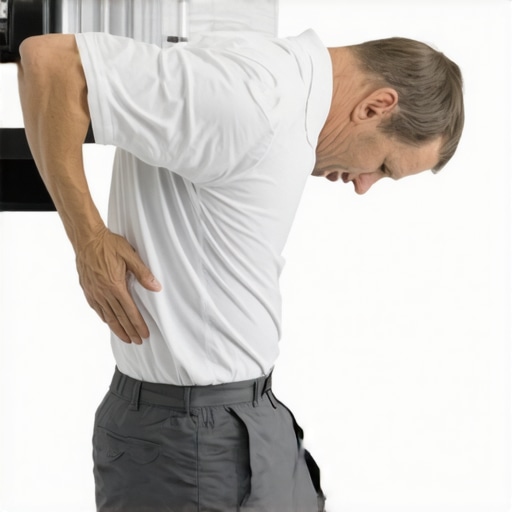 Maintaining optimal function after a sports injury or chronic back pain requires more than just manual therapy—it demands the right tools and practices to sustain progress. One of my favorite investments is a high-quality foam roller, specifically the Grid Foam Roller by TriggerPoint. Unlike cheap models, this roller’s multi-density surface allows me to target deep tissue knots effectively, promoting circulation and preventing scar tissue buildup. I personally use it daily to keep my muscles supple and avoid setbacks, especially after intense workouts. Another invaluable item is a resistance band such as the Black Mountain Products Loop Band. Its versatility enables me to perform rehab-friendly strengthening exercises that restore stability to my hips and core, which is crucial for long-term spine health. I incorporate banded side steps and clamshells into my routine to reinforce muscle groups that often weaken over time. When it comes to software, I recommend the PhysiApp platform. Its guided rehab protocols are tailored to individual needs, making it easier to track progress and stay motivated. Over years, I’ve found that integrating these tools into my daily routine significantly reduces the risk of re-injury and enhances the durability of my recovery. Looking ahead, I predict that wearable technology with biofeedback capabilities—like smart insoles or posture sensors—will become mainstream, providing real-time alerts to maintain proper alignment and movement patterns.
How do I keep my rehab gains over the long haul?
Consistency is key. I set a routine that combines self-myofascial release, targeted strengthening, and posture awareness. I also make sure to schedule periodic check-ins with my chiropractor to fine-tune my body mechanics. Remember, long-term maintenance isn’t about pushing hard every day but about regular, deliberate care to prevent regressions. For personalized recommendations or if you’re unsure which tools suit your needs, don’t hesitate to reach out through this contact page. Incorporating these strategies now will empower you to stay active and pain-free well into the future. As a bonus tip, try integrating the foam rolling routine I swear by—it’s a game-changer for maintaining tissue elasticity and preventing stiffness. Stay proactive and keep your body functioning at its best!
Over the years, my most profound lessons about sports rehab and chiropractic care stemmed from realizing that healing isn’t just about quick fixes—it’s about understanding your body’s signals and respecting its natural rhythm. One lightbulb moment was recognizing that pain and swelling, often viewed as enemies, are actually messengers guiding your recovery journey—ignoring them can delay progress.
Another key lesson was appreciating the importance of patience and consistency. Small daily practices, like targeted stretching or mindful posture adjustments, compound over time to create lasting change. This shift from seeking instant relief to embracing gradual improvement transformed my approach and results.
Lastly, I learned that mental resilience plays a vital role. Staying positive and committed, even when progress feels slow, empowers you to navigate setbacks and stay engaged in your recovery process. Combining movement, proper care, and a resilient mindset unlocks the true potential of your body’s healing power.