
It happened suddenly. One moment, I was nodding off during a marathon work session; the next, an intense shooting pain shot down my leg, leaving me frozen and frustrated. I didn’t realize that hours hunched over my laptop could lead to such a sharp, nerve-wracking sensation—until I experienced it firsthand. That lightbulb moment made me realize just how much our daily routines can betray us, especially when we work remotely and overlook simple posture mistakes.
Why Your Desk Setup Could Be Causing That Nerve-Pulling Leg Pain
Many remote workers, like you and me, trust that their upright desk and comfy chair are enough. But when I ignored the signs of poor ergonomics—like slouching or improper chair height—I paid the price with persistent sciatic pain. That jolting leg pain isn’t just annoying; it might be warning you about nerve compression or misalignment. According to a study in the Journal of Back and Musculoskeletal Rehabilitation, prolonged poor posture at work stations can drastically increase nerve irritation risks, leading to conditions like sciatica. That’s why I urge you to take your workspace seriously. The good news? Small adjustments can make a big difference, and I’ve found three effective fixes that can help you reclaim comfort and mobility.
Is Fixing Your Desk and Posture Really Worth the Effort?
Early on, I made a costly mistake: I thought my pain would subside on its own, so I skipped professional advice and relied solely on quick stretches. Spoiler alert—this only masked the symptoms temporarily. It wasn’t until I consulted a specialist and incorporated strategic adjustments that I started experiencing relief. For example, better lumbar support and mindful positioning changed everything. If I can prevent someone from going down the same rabbit hole, I’d say it’s worth every minute to understand and implement simple fixes. Want to learn how to do that? Let’s explore the core strategies that helped me—and can help you—regain control over that shooting leg pain and pain-free productivity.
Adjust Your Chair for Proper Support
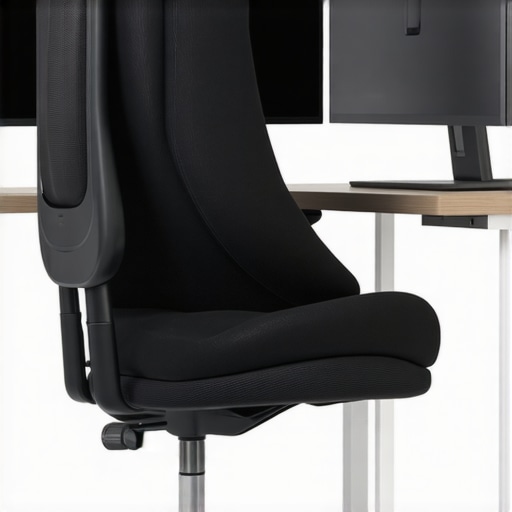
Begin by setting your chair height so your feet are flat on the floor, and your knees are level with your hips. Think of your chair as the foundation of your building—if it’s uneven, the entire structure becomes unstable. I once sat for hours with my chair too high, causing my lower back to slump and exacerbating sciatic nerve irritation. When I lowered the chair and added a lumbar roll, I immediately felt relief—like a dam releasing pressure on a stressed pipe.
Optimize Your Desk and Monitor Position
Your monitor should be at eye level, about 20 inches away, so you’re not tilting your head down or up. Imagine your neck as a straw—keeping it straight is crucial to prevent unnecessary tension. In my case, elevating my monitor with a stack of books reduced neck strain, which also eased nerve compression down my leg. Think of this adjustment as aligning parts of a pipe system to ensure smooth flow, avoiding blockages that cause pressure buildup.
Practice Micro-Movements and Posture Checks
Set a timer every 30 minutes to remind yourself to sit upright and stretch gently. Employ the ‘pinch test’—gently squeeze the muscles around your hips to ensure they’re not overly tight, which can tug on nerves. I integrated small posture adjustments during my workday, like rolling my shoulders back and engaging my core, which acted like a shock absorber, reducing nerve stress. Consider these micro-movements as preventive firmware updates for your body’s software, preventing bugs like nerve pinches.
Incorporate Nerve Glide Exercises Regularly
These exercises gently mobilize the nerve pathways, akin to lubricating a stiff hinge. For example, perform seated nerve glides by extending your leg and gently flexing and extending your ankle while keeping your knee straight. I added these to my routine after noticing persistent sciatic pain, and within days, I felt a notable decrease in numbness. Think of this as clearing a clogged pipe—restoring smooth nerve flow and reducing pressure that causes pain.
Seek Professional Guidance for Long-Term Relief
If pain persists despite adjustments, consulting a chiropractor experienced in back health can be transformative. They can perform targeted adjustments that realign your spine and relieve nerve compression. I visited a specialist who pinpointed subtle pelvic misalignments—correcting those was like fixing a crooked foundation, stabilizing my entire posture and eliminating recurring nerve issues. For ongoing relief, consider exploring strategic chiropractic solutions tailored to your needs.
< >When it comes to chiropractic care and managing back pain, many assume that a single adjustment or a quick fix can resolve complex issues. However, this narrow view often leads to misconceptions that hinder long-term recovery. A common myth is that all adjustments are equally effective for everyone, but in reality, individual anatomy and specific conditions demand tailored approaches. According to a 2018 study published in the Journal of Manipulative and Physiological Therapeutics, personalized treatment plans outperform generic adjustments, emphasizing the importance of expert assessment over one-size-fits-all solutions.
Why Do Some Adjustments Fail to Bring Lasting Relief?
This is where understanding the nuances becomes vital. Many practitioners focus solely on the joint or spinal segment, neglecting the interconnected muscular, neural, and hormonal factors that influence back health. For example, poor core stability or unresolved nerve tensions can cause the same misalignments to recur, despite repeated adjustments. This oversight can trap patients in a cycle of temporary relief without addressing the root causes. To truly achieve sustainable results, it’s crucial to incorporate strategies that go beyond the immediate adjustment—like strengthening surrounding muscles or releasing nerve restrictions. You can explore comprehensive approaches in our series on long-term chiropractic strategies.
Essential Equipment for Lasting Back Maintenance
Investing in quality tools can significantly improve your ability to maintain back health over the long term. Personally, I swear by a versatile foam roller because it allows me to perform my own muscle releases, especially around tight hip flexors and hamstrings that often tug on my lower back. Unlike generic rollers, I prefer the dense, Contoured Foam Roller which provides targeted pressure without losing shape, ensuring effective myofascial release. This helps prevent chronic tension buildup that could compromise spinal stability. Additionally, a lumbar support pillow—like the Ergonomic Memory Foam Lumbar Cushion—has been invaluable when I sit for extended periods. It maintains proper lumbar lordosis and prevents my lower back from slumping into a flexed, pain-aggravating posture. Using supportive tools consistently serves as a proactive defense against degeneration.
Software and Apps that Keep You Aligned
Staying mindful of your posture daily can be challenging, but technology offers effective solutions. I rely on the posture correction app Upright, which provides real-time feedback using your phone’s accelerometer, gently alerting me when I slouch. From my experience, setting periodic reminders every 20 minutes nudges me to check or correct my alignment before strain accumulates. Furthermore, digital programs like PhysioAdvisor’s tailored mobility routines help me track progress and ensure I incorporate essential nerve glide exercises, like those I learned in my sports rehab sessions. These tools reinforce good habits and make compliance easier, helping you sustain improvements over months. Predictions suggest that intelligent wearable devices with biofeedback will soon dominate this space, offering seamless, unobtrusive monitoring for even better maintenance.
Long-Term Results Require Consistency and Monitoring
Regularly assessing your back health is key to ensuring lasting improvements. I recommend journaling your pain levels, mobility, and activity patterns to identify triggers and track resistance over time. This personalized record informs whether your current tools and exercises stay effective or require adjustments. Incorporating periodic check-ins with a chiropractic professional—such as scheduling a strategic session to reassess spinal alignment—can prevent small issues from developing into chronic problems. For example, a detailed reevaluation might reveal subtle pelvic imbalances that, if left unchecked, could resurface after intense lifting or prolonged sitting. Remember, long-term maintenance is a dynamic process that adapts with your lifestyle. To keep yourself accountable, consider subscribing to programs like our strategic chiropractic solutions, which are designed for ongoing support.
How do I sustain my back health routines without losing momentum?
One effective method is to integrate quick, targeted mobility drills, such as daily nerve glide exercises, into your morning routine. These simple, proactive movements lubricate nerves and restore optimal flow, akin to maintaining a well-oiled machine. For example, incorporating the seated nerve gliding sequence I learned from top chiropractic research, ensures that nerve mobility remains optimal despite daily stresses. Commit to just five minutes daily with this exercise, and you’ll notice decreased sciatic numbness and improved flexibility. As research in neurodynamics indicates, consistent nerve mobilization can significantly reduce the likelihood of flare-ups, making it a cornerstone of long-term back management. Try starting with the simple seated nerve glide—it’s a game-changer for ongoing nerve health and pain prevention.
Lessons the Textbook Didn’t Prepare Me For
One of the biggest lightbulb moments was realizing that quick fixes—like temporary stretches or relying solely on adjustments—rarely lead to long-lasting relief. I learned the hard way that true progress involves understanding the intricate web of muscle, nerve, and skeletal interactions, which often lie beneath the surface of conventional treatments. Another revelation was how much consistency and personalized care matter. It’s tempting to hope a single session or gadget will solve everything, but real healing is a journey that demands ongoing attention, tailored strategies, and dedication. Lastly, I discovered that integrating technology, like posture apps and home tools, isn’t just a gimmick but a powerful adjunct to professional care—something I wish I’d embraced earlier instead of dismissing as unnecessary. These insights transformed my approach, turning what once felt like trial-and-error into a structured, effective plan for lasting back health.
Tools That Became My Trusty Allies
For sustained back health, I rely heavily on the Essential Tips for Managing Back Pain guide—it’s a comprehensive resource that combines the latest research with practical advice I can actually implement daily. The Expert Chiropractic Adjustments That Work series deepened my understanding of personalized treatment plans, emphasizing that not all adjustments are created equal. I also found the Pro Sports Rehab Drills invaluable for conditioning and strengthening, essential for preventing recurrence. Finally, the Proven Chiropractic Strategies program offers a strategic roadmap, blending adjustments, exercises, and lifestyle tweaks—an all-in-one toolkit I’ve come to trust deeply.
Your Journey Awaits: Embrace the Change
Real growth begins when you take that first step towards understanding and caring for your back in a smarter way. Don’t wait for pain to dictate your routine—start integrating proactive strategies today, just as I did. Remember, every bit of effort you invest now is an investment in a future where pain doesn’t hold you back. Your back health isn’t a one-time fix; it’s a continuous process, and with the right mindset and tools, you can reclaim control and enjoy a vibrant, pain-free life. I invite you to explore the resources, adopt consistent habits, and trust your body’s capacity to heal and strengthen over time.
What small change will you commit to today to improve your back health? Let me know below!
,