
Ever had that frustrating moment when you’re stretching your lower back, hoping for relief, only to find the pain stubbornly sticking around? I remember vividly the day I finally realized that what I thought was sciatic nerve trouble was actually a hidden glute issue. It hit me like a lightning bolt during a routine rehab session; I was chasing nerve irritation when the real problem was my stubborn, overlooked glutes.
Why Recognizing a Glute Problem Can Change Your Recovery Game
Many people, myself included early in my practice, make the mistake of treating sciatic pain as just a nerve issue. But the truth is, your glutes play a crucial role in supporting your pelvis and lower back. When they’re weak or tight, your body compensates, often misfiring and causing pain that mimics nerve issues. Recognizing the signs of a glute problem can significantly shorten your recovery time and prevent re-injury.
Is Your Sciatica Worth Fixing Without Considering Your Glutes?
One common mistake I made early on was focusing solely on the nerve — rushing to nerve glide exercises and prescriptions. Little did I know, ignoring my glutes was like fixing a leaky pipe while ignoring the broken valve nearby. Expert insights, like those from chiropractic adjustments, show how overlooked muscles can sabotage your recovery if not addressed properly. If you’ve faced persistent discomfort despite nerve-focused treatments, it’s high time to consider your glutes.
In the following sections, I’ll walk you through the top three signs that your sciatic pain is actually a glute problem — and most importantly, what you can do about it to get back to pain-free movement. So, grab a cup of tea, and let’s get into it — because understanding these signs might be the breakthrough you need.
.
Targeted Glute Activation Exercises
Start with simple activation drills like the glute bridge. Lie on your back with knees bent, feet flat on the floor, and lift your hips while squeezing your glutes. Imagine trying to tighten a belt around your waist—this sensation helps focus engagement. I once added a resistance band around my thighs during this exercise; the added tension forced me to truly activate my glutes, revealing how weak my muscles were. Repeat for 3 sets of 15 reps, ensuring each squeeze is deliberate. For a more advanced move, try the clamshell; lie on your side with knees bent at 90 degrees, then lift the top knee while keeping feet together, resembling opening a clam. This isolates your glute medius. Consistency here kickstarts muscle recruitment, setting the foundation for greater strength.
Incorporate Strengthening Movements
Weighted Hip Thrusts
Once activation feels natural, progress to weighted hip thrusts. Sit on the ground with your upper back against a bench, feet flat, then place a barbell across your hips. Drive through your heels, thrust your hips upward, squeezing the glutes at the top. Think of pressing a car door closed—powerful and controlled. I personally added light weights first, gradually increasing as my strength improved. Be sure to keep your core engaged to avoid overusing lower back muscles. Perform 3-4 sets of 10 reps, focusing on form and mind-muscle connection. This movement builds real strength, essential for supporting your pelvis and relieving sciatic symptoms.
Stretch and Mobilize for Flexibility
Flexibility complements strength; tight glutes can inhibit activation. Incorporate stretches like the pigeon pose—bring one leg forward, knee bent, and extend the other leg behind you, leaning into the stretch. Imagine trying to unzip a tight zipper; what feels restrictive is often your glutes. I found daily stretching improved hip mobility, making activation exercises more effective. Hold each stretch for at least 30 seconds, breathing deeply to relax tight tissues. This helps break up scar tissue and increases blood flow, promoting healing and better muscle engagement during exercises.
Consistency and Monitoring Progress
Every day, dedicate 10-15 minutes to these routines. Track your reps and how you feel afterward—note any lessening of discomfort or increased strength. I kept a simple journal, which revealed steady progress over weeks, giving motivation and guiding adjustments. Remember, strengthening glutes isn’t a quick fix; make it a daily habit. Consider consulting a professional, like a chiropractor, to ensure your form aligns with your goals—proper technique prevents compensation patterns that might cause new issues over time. For integrated care, explore chiropractic care and how it can accelerate your recovery process. Consistent effort now ensures your glutes become a reliable support system, reducing sciatic discomfort and enhancing overall function.Many assume that the most effective sports rehabilitation relies solely on flashy techniques or quick fixes, but in my experience, this belief overlooks crucial subtleties that can make or break recovery. A common misconception is that adjusting your spine or focusing on isolated exercises is enough—yet, these approaches often ignore the interconnectedness of your musculoskeletal system. For instance, chiropractors like those discussed here emphasize how subtle misalignments can influence your entire movement pattern, and if unaddressed, can lead to persistent pain or injury recurrence.
An advanced mistake many make is applying generalized rehab protocols without tailoring them to the unique biomechanical nuances of each individual. This one-size-fits-all approach often fails to account for compensatory patterns or underlying dysfunctions that are subtly embedded in your daily habits or sports techniques. Recognizing these hidden factors requires meticulous assessment, integrating functional movement analysis with proprioceptive testing. Ignoring these nuances is a trap that can prolong recovery or cause new issues. For example, ignoring hip-pelvis alignment during back pain rehab can sabotage efforts, as highlighted in strategic chiropractic solutions.
How does knowing the precise cause of pain influence your rehab outcomes?
The answer lies in the detailed, personalized approach. Instead of just treating symptoms, I focus on identifying root causes that might seem minor but have major implications. Research shows that targeted chiropractic adjustments, paired with specific strengthening and mobility exercises, greatly enhance long-term outcomes (see here for more details). This layered, nuanced strategy goes beyond superficial fixes and fosters genuine resilience.
Many practitioners overlook the importance of the nervous system’s role in musculoskeletal health. Advanced rehab involves not just physical adjustments but also neural recalibration, which can be a game-changer. This approach helps patients regain not just range of motion but also proprioception and coordination, reducing the likelihood of re-injury. Don’t fall into the trap of neglecting these subtle but vital factors.
In conclusion, your sports rehab should go beyond superficial routines. Pay attention to the nuanced biomechanical, neural, and lifestyle factors that influence recovery. Consider consulting a professional who understands these complexities or explore the tailored strategies outlined on [our contact page](https://motiontherapypro.com/contact-us). Remember, understanding the hidden nuances can accelerate your recovery and keep you active longer.
Have you ever fallen into this trap? Let me know in the comments.
Tools I Recommend for Sustained Back Wellness
Maintaining your back health over time requires more than just occasional stretches or visits to the chiropractor. It hinges on the right tools and consistent routines. Personally, I rely on a combination of specific equipment and software that have proven their worth in my practice and daily life. For instance, a high-quality foam roller with targeted density helps me release tight fascia without risking further irritation—not all foam rollers are created equal. I prefer a firm, grid-patterned roller that can reach deep layers and is durable enough for daily use. Additionally, I incorporate a balance pad into my routine to enhance proprioception and stabilize my pelvis during activation exercises. These tools make a tangible difference in how effectively I can activate and strengthen my stabilizing muscles.
Integrating technology has also been transformative. Wearable devices like smart insoles or posture sensors provide real-time feedback and help me stay aware of my alignment throughout the day. For example, I use a posture app that vibrates when I slouch, encouraging immediate correction—learning proper habits is crucial. In my experience, these tools create a feedback loop that accelerates progress and encourages consistency.
Why investing in quality tools and routines shapes long-term results
When it comes to long-term back health, cheap or ineffective tools can hinder rather than help. High-quality equipment, coupled with professional advice, ensures you’re not just temporarily alleviating pain but building resilience. As the trend in sports rehab evolves, I anticipate a greater emphasis on smart technology integration—like AI-driven movement analysis and personalized exercise plans—which can tailor your routines in ways never before possible. This personalized approach helps prevent setbacks and promotes sustained progress.
How do I maintain back health over time?
The key is integrating regular movement and targeted exercises, supported by the right tools. Schedule weekly sessions focusing on activation, mobility, and strength, and use feedback devices to refine your form. Do not underestimate the power of consistent habits; small daily actions compound into lasting improvements. Remember, consulting a professional who understands these nuances is vital. You might explore chiropractic care and its role in supplementing your self-maintenance routines for optimal results.
Try incorporating a foam roller or posture sensor into your daily routine today, and observe how these simple yet effective tools can help keep your back functioning at its best. Stay proactive—your future self will thank you for it!
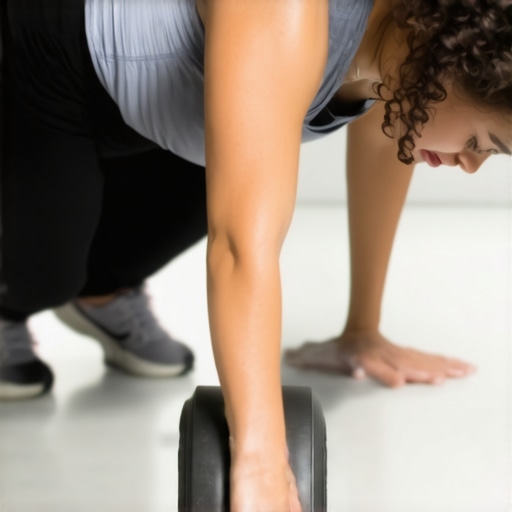
Throughout my journey in sports rehabilitation, I’ve discovered that some of the most impactful lessons come from uncovering overlooked nuances. These insights have reshaped my approach and could do the same for you.
The Hardest Lesson I Learned About sports rehab,back pain,adjustments,chiropractic
- Behind every pain lies a story: I realized that persistent discomfort isn’t always about obvious injuries but often about subtle muscular imbalances and neural factors that require detective work to uncover.
- Personalized care beats generic routines: Standard protocols can be effective, but tailoring interventions based on individual biomechanics leads to faster, more sustainable results.
- The role of mind-muscle connection: Engaging consciously during exercises enhances activation, making rehab efforts more potent and preventing re-injury.
- Addressing the root causes matters more than quick fixes: Temporary relief is tempting, but identifying and correcting foundational issues ensures long-term back health.
- Consistency over intensity: Small, daily habits create lasting change, a principle that transformed my own recovery outlook and outcomes.
My Toolbox for Lasting Back Health
- Proprioceptive tools like balance pads: They enhance stability and awareness, integral for proper muscle activation.
- High-quality foam rollers: I swear by firm, textured rollers to release fascia and improve mobility—these have become game-changers.
- Wearable feedback devices: Posture sensors and smart insoles keep me mindful of alignment, fostering proactive adjustments throughout the day.
- Educational resources: Books and expert blogs, especially those emphasizing personalized strategies, deepen my understanding and motivate ongoing care.
Embrace the Journey Toward Pain-Free Living
The path to back wellness isn’t linear, but with patience, curiosity, and deliberate action, you can reclaim vitality. Remember, every effort you make today reinforces your body’s resilience for tomorrow. Dive into tailored exercises, consult professionals who prioritize your unique biomechanics, and stay committed to your progress. Your future self will thank you for prioritizing your back health now.
What strategies have you found most effective in tackling persistent back pain? Share your experiences below—I’d love to hear your story!
.