
Ever had that unsettling moment during a workout or while working at your desk when your fingers suddenly go numb? It’s a little scare that sneaks up on you—a pins-and-needles sensation that leaves you questioning if something serious is happening. I remember dismissing it as nothing, but these fleeting episodes started happening more frequently, and each one felt like a warning sign I couldn’t ignore. That realization was my lightbulb moment: I needed to understand what was causing this numbness—and how to fix it.
Why Finger Numbness Can’t be Ignored
Finger numbness isn’t just about discomfort; it’s often a signal from your nervous system that something’s off. In my case, it was related to nerve tension and compression in my cervical spine and forearm, which can occur from poor posture, repetitive movements, or even stress. Left unchecked, this can lead to ongoing nerve irritation, chronic pain, or even long-term nerve damage. That’s when I started digging into solutions that could effectively relieve the pressure without costly doctor visits or invasive procedures.
The good news? Simple exercises can make a real difference. And one of the most effective tools I’ve found is the nerve glide exercise. It sounds technical, but it’s essentially a gentle way to mobilize the nerves and improve their function. This isn’t just anecdotal—studies support that nerve gliding can reduce symptoms of nerve entrapment and improve mobility (source: The Science Behind Chiropractic Adjustments). Plus, it’s a game-changer for anyone tired of enduring that annoying tingling.
Throughout my journey, I made some mistakes—like trying to push through the numbness without addressing the root cause—which only prolonged my discomfort. That’s why I want to share what’s worked for me and how you can apply it too. Ready to discover the nerve glide technique that could potentially put an end to your finger numbness? Let’s dive into the practical steps you can take today to reclaim your hand function and confidence.
Is This Exercise Actually Worth the Hype?
I get it—some methods sound too good to be true. Early on, I doubted whether a simple stretch could really make a difference. My mistake was assuming that numbness was always a sign of serious injury requiring complex solutions. Instead, I learned that identifying the cause and applying targeted movements can provide relief without the need for medication or surgery. That’s why I’m confident that this nerve glide exercise isn’t just another fad—it’s a practical step you can start today to improve nerve mobility and reduce symptoms.
Start with Proper Positioning
Before performing the nerve glide, find a comfortable seated position with your back straight and shoulders relaxed. Rest your arm on a table or your lap, ensuring your wrist and fingers are in a neutral position. During my first attempt, I kept slouching, which compromised the movement and made the exercise less effective. Sit up straight and relax your neck to reduce unnecessary tension.
Begin with Gentle Shoulder Movements
Raise your arm to your side at a 90-degree angle with your palm facing down. Slowly lift your arm overhead, keeping it straight, until you feel a gentle stretch along your shoulder and upper arm. I initially rushed this step, causing discomfort. Instead, move slowly and stop if you feel any pain or excessive tingling.
Extend Your Wrist and Fingers
With the arm raised, extend your wrist downward and straighten your fingers. This mimics the initial phase of the nerve glide, gently mobilizing the nerve pathway. I remember doing this quickly and losing the focus, which reduced the benefit. Focus on smooth, controlled movements, breathing steadily throughout.
Stretch the Nerve Pathway by Movement
Now, gently tilt your head away from the raised arm while simultaneously extending your wrist and fingers. Hold this position for 3-5 seconds, then slowly return to the starting position. During my practice, I found coordinating head tilt with wrist extension maximizes nerve mobility. Think of it like unwinding a tangled cable—gentle, gradual movement prevents aggravation.
Repeat with Controlled Precision
Perform 5-10 repetitions, ensuring each move is deliberate and pain-free. I used to rush through these exercises, which sometimes caused increased tingling. Instead, I maintained control, listening to my sensations, and gradually increased the number as my nerve mobility improved.
Integrate Into Daily Routine for Lasting Relief
Consistent practice is key. Incorporate this nerve glide into your daily schedule, ideally twice a day. Over time, I noticed reduced numbness and improved hand function within a couple of weeks. Remember, the goal isn’t to force the movement but to gently encourage nerve mobility, much like routine chiropractic adjustments that gradually restore proper alignment (see how chiropractic care supports performance).
Monitor and Adjust Your Technique
If you experience increased tingling or discomfort, reduce the range or duration of movements. Initially, I pushed too hard, which set me back. Listening to your body allows you to adapt the exercise, preventing further irritation and promoting recovery. Consistency and patience are your best tools in this journey.
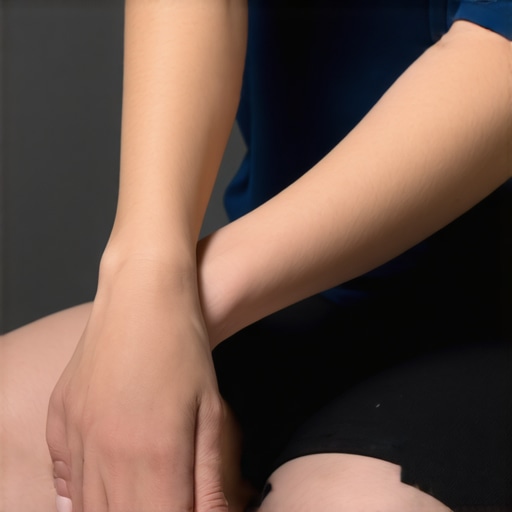 When it comes to sports rehabilitation and chiropractic adjustments, many people hold onto beliefs that can actually hinder their recovery. One common myth is that all pain needs aggressive intervention or that chiropractic adjustments instantly fix long-term issues. In my experience, this oversimplification ignores the nuanced reality of the human body, where soft tissue health, movement patterns, and nervous system function interplay complexly. Relying solely on quick fixes can lead to recurrent injuries instead of sustainable recovery.
Another misunderstanding is that chiropractic care is only effective for acute pain. While adjustments can provide immediate relief, the real power lies in strategically integrating long-term solutions—like targeted movement therapy—supported by studies demonstrating that comprehensive approaches yield better outcomes (see how strategic chiropractic solutions enhance long-term back health). Overlooking this can trap patients into cyclical treatment plans, prolonging their discomfort.
Why Do Some People Fail to Recover Despite Regular Adjustments
Many assume that frequent chiropractic visits should always lead to continuous improvement. However, neglecting the importance of addressing underlying lifestyle factors—such as ergonomics, hydration, and activity levels—often stalls progress. Consistency in adjustments is beneficial, but without modifying contributing habits, the benefits may plateau. For example, poor posture during work can undermine even the most skilled chiropractic intervention, highlighting the need for holistic strategies. Incorporating proper movement techniques, improved ergonomics, and self-care is essential, as emphasized in comprehensive chiropractic programs (learn how targeted chiropractic care can boost athletic performance).
Furthermore, a crucial nuance often missed is the body’s adaptive limit. Adjustments can reset joint alignment temporarily, but if the core instability or movement dysfunction persists, the problem can return. Recognizing this, experts advocate combining adjustments with tailored rehab exercises, nerve mobilizations, and lifestyle modifications—an approach I personally found transformative during my journey (discover effective chiropractic adjustments that truly work).
Many patients fall prey to the trap of thinking that adjustments are a quick fix, when in reality they are most effective as part of a strategic, multi-faceted plan. Developing this understanding can save you time, money, and frustration. Have you ever fallen into this trap? Let me know in the comments.Maintaining your progress in sports rehab and chiropractic care requires more than just sessions with your practitioner. I personally rely on targeted tools and specific routines that reinforce the gains made during treatment, ensuring long-term relief and functional performance.
One of my go-to devices is the **Foam Roller**. However, I’ve learned that not all foam rollers are created equal. I prefer the **grid foam rollers** because their textured surface provides more precise myofascial release, especially around the lumbar and hip areas. Personal experience has shown that using these rollers daily—especially after workouts—can drastically reduce muscle tightness that often causes recurring back pain.
In addition, I incorporate **stability balls** into my routine. They aren’t just for core work; I use a medium-sized ball to perform spinal extensions and to gently mobilize the lumbar spine. This simple tool helps maintain spinal flexibility, which is crucial for long-term health. Moreover, access to **resistance bands** adds a layer of controlled strength training that can address biomechanical imbalances, preventing issues before they escalate.
On the software side, I recommend using **movement tracking apps** such as **MyFitnessPal** or **Strava** for athletes. These apps don’t just track activity; they provide insights into your exercise patterns, helping identify areas of weakness or overuse that might compromise your recovery. Habit formation is key, and consistent reminders ensure you stick with exercises that support your back health.
Looking ahead, I believe wearable technology will play an increasingly prominent role in maintaining back health. Devices like **gentle vibrational feedback wearables** could alert you to poor posture or muscle tension in real-time, integrating seamlessly into daily life. In fact, emerging research supports the potential for these tools to improve compliance with rehab routines and to catch issues before symptoms become severe (see how strategic chiropractic solutions support long-term back health).
How do I keep my back healthy over time without relapsing?
Implementing a consistent routine with these tools is essential. For instance, I challenge you to incorporate the *2-minute wrist reset* to your daily schedule—it’s straightforward and can significantly reduce nerve tension that contributes to your pain. During my own practice, frequent short sessions with a resistance band and foam rolling have prevented flare-ups. I also recommend scheduling periodic check-ins with your chiropractor or physical therapist to reassess your technique and progress. This partnership ensures that your routines evolve with your body’s changing needs, keeping your recovery sustainable.
Remember, the goal is to integrate these tools naturally into your lifestyle, making injury prevention and management part of your daily habits. Over time, this proactive approach can reduce dependence on reactive treatments, giving you greater control over your back health.
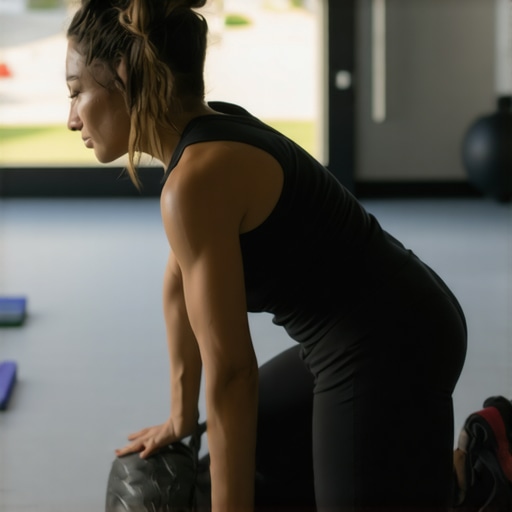
In the future, I foresee advanced biofeedback devices becoming standard in back health maintenance, providing personalized insights and real-time corrections. Until then, starting with simple tools like foam rollers, stability balls, and resistance bands can make a real difference in cementing your recovery and preventing setbacks. Don’t hesitate—try the immediate step of incorporating a foam rolling routine after your next workout, and experience how it transforms your long-term back health.
The Hardest Lessons I Learned About nerve mobility and long-term recovery
One of the most profound lessons I encountered during my journey with back pain and numb fingers was the importance of patience and consistency. I initially underestimated how critical gentle, controlled movements are—pushing too hard only set me back. Real progress came when I embraced mindful practice, listening to my body’s signals, and making small adjustments. This taught me that healing isn’t a race but a carefully choreographed dance with your nervous system, requiring respect for its pace and needs.
Another insight was understanding that quick fixes are often temporary. Chiropractic adjustments, while providing immediate relief, are most effective when combined with daily habits that support nerve health. Incorporating habits like proper ergonomics, targeted stretches, and mindfulness can create a resilient foundation that sustains long-term recovery, illustrating that true healing is a holistic process.
A third powerful lesson was recognizing the body’s incredible adaptability. By consistently applying nerve glide techniques and improving posture, I witnessed my symptoms diminish and my confidence grow. This experience reaffirmed that small, consistent actions—like controlled nerve mobilizations—can lead to transformative changes, empowering you to take control of your recovery journey.
My Essential Tools for Back and Nerve Health You Can Trust
For sustained progress, I rely heavily on the **Foam Roller**, particularly the textured grid variety, which I find excellent for myofascial release around the lumbar and hips. Its versatility and ease of use make it a staple in my daily routine. Additionally, **Resistance Bands** have been instrumental in loading and strengthening vulnerable areas, helping me correct imbalances that contribute to nerve tension.
Another game-changer is the **Movement Tracking App**, such as Strava or MyFitnessPal, which I use to monitor my activity and identify potential trouble spots before symptoms escalate. These tools have helped me stay accountable and aware of my body’s needs, ensuring consistent care. Lastly, I keep an eye on emerging technology like **wearable posture devices**, which provide real-time feedback and can prevent poor habits from forming, turning awareness into automatic correction.
Believe in Your Power to Change Your Future
Taking control of your back and nerve health is within your reach. By integrating gentle nerve glide exercises and supportive tools into your everyday routine, you’re paving the way for lasting relief and greater mobility. Remember, progress may be slow at first, but with perseverance, your body can rewire itself for better function. Whether you’re just starting out or looking to refine your habits, trust that small, consistent steps have a ripple effect that can lead to transformative change.
Are you ready to prioritize your nerve health and experience the freedom of movement? Share your thoughts or ask questions below—your journey begins with a single step!
,