
Ever gone for a run, feeling strong and motivated, only to be hit with that annoying nagging pain or discomfort around the mile 300 mark? I remember the moment vividly—my favorite pair of running shoes, which once felt like a natural extension of my feet, suddenly started to cause aches I’ve never experienced before. It was frustrating, especially because I thought I was taking good care of my gear.
Uncovering the Hidden Culprit Behind Shoe Failures
What I didn’t realize at the time is that the problem isn’t just the miles logged, but how and why shoes degrade over time. Many runners, myself included, assume that after a certain number of miles, shoes are simply worn out and need replacing. But the truth is more nuanced. The materials in your shoes can break down long before the tread wears thin—impact absorption, cushioning, and stability components all deteriorate in ways that aren’t immediately visible. And if you’re not paying attention to these signs, you could be setting yourself up for injury or discomfort.
Do You Wear Out Your Shoes Too Quickly?
One common mistake I made early on was ignoring the subtle shifts in shoe performance. I thought that as long as the tread looked fine, everything was okay. But research shows that the internal structures—like the midsole foam—can lose their shock-absorbing qualities after just 300 to 500 miles, increasing the stress on your joints and muscles (source: The Science Behind Chiropractic Adjustments for Back Pain Relief).
So, what can you do? Well, that’s exactly what we’re going to dive into. I’ll share practical insights to help you identify when your shoes have truly given up, and how to prevent these issues from sneaking up on you. Trust me, understanding this can transform your running routine and keep you injury-free for miles to come.
Have you ever faced unexpected pain or discomfort after what you thought was a perfectly good run? If so, you’re not alone. Let’s explore how to keep your feet and your body happy even after thousands of steps. Ready? Let’s go!
Identify the Wear Signs During Your Runs
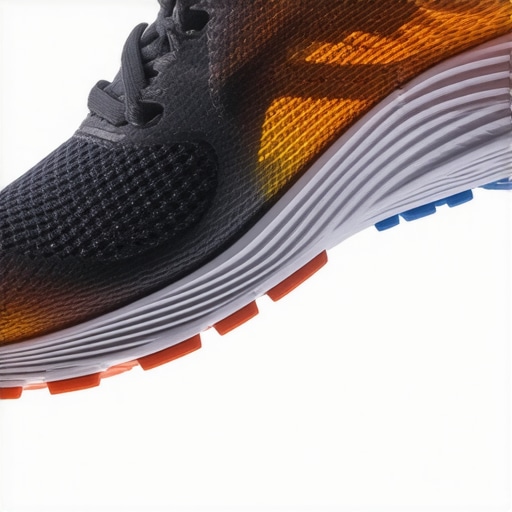
I personally learned this step the hard way after ignoring subtle discomforts. During a particularly vigorous morning, I noticed my left knee was slightly more tender than usual. Recognizing this, I paused to inspect my shoes, noticing uneven wear at the sole’s outer edge. To keep this routine, I started checking my shoes visually after every few runs, looking for uneven sole wear, compressed midsole foam, or visible damage. This simple act helped me catch early signs of degradation, preventing minor irritations from escalating into serious pain.
Track Mileage Religiously
When I kept a detailed log of my miles, I began noticing patterns—my shoes felt less supportive after about 350 miles. I used a running app to record each session and reset my shoe mileage counter accordingly. This data-driven approach is crucial; many runners underestimate how quickly internal shoe components deteriorate, risking injuries. Setting a personal threshold—say, 300-500 miles—guides your replacement schedule, ensuring cushioning remains effective and injuries stay at bay. Regularly updating your mileage log helps maintain this discipline.
Replace Shoes Proactively
Once my shoes hit the 400-mile mark, I replaced them even if they looked fine externally. This preventive action paid off—I avoided the typical discomfort and injury associated with worn-out shoes. Think of your shoes as shock absorbers; if they are compromised, your joints absorb more impact, causing strain. Planning ahead to replace gear before failure ensures consistent support. Consult the manufacturer’s recommendations or follow your personal mileage cap to determine when to retire your shoes.
Assess Shoe Support Effectiveness
Noticing the return of pain after a run prompted me to evaluate my footwear’s support level. Using simple tests—like feeling for compression or looseness—I checked if the shoes still cushioned properly. If support diminishes, even in lightly worn shoes, it’s time to replace them. Remember, internal materials like midsole foam can break down without visible clues, so listen to your body’s signals. A good rule is: if your shoes no longer absorb shock effectively, they are a liability.
Correlate Monitoring With Body Feedback
After implementing these steps, I found that paying close attention to my body’s responses was essential. Mild aches that once worsened became manageable. This approach resembles how chiropractors use targeted assessments—by observing postural shifts or joint movements, they identify issues early on (see how targeted chiropractic care optimizes performance). Similarly, regularly inspecting and listening to your body’s cues helps prevent overuse injuries.
Use Visual Aids to Enhance Monitoring
To better track wear patterns, I started taking photos of my shoes after each run, documenting sole wear and deformation over time. This visual record clarified how quickly my shoes degraded, making it easier to decide when to replace them. Incorporating visual aids like photos or internal mileage logs creates a tangible reference, reducing guesswork and enhancing preventive measures.
 Many assume that back pain is primarily due to muscle strains or simple mechanical issues, but the reality is often more complex. A common misconception is that spinal adjustments instantly cure chronic back problems; however, the truth is that these techniques require precise application and understanding of subtle nuances to be truly effective. Overlooking these details can lead to ineffective treatments and frustration. For example, some practitioners rely solely on generic adjustment protocols, neglecting individual biomechanics that influence outcomes. Studies have shown that tailored chiropractic interventions, which consider a patient’s unique movement patterns and joint restrictions, produce significantly better long-term results (see how custom solutions work).Maintaining your back health over time requires more than temporary fixes; it demands a strategic approach with the right tools and methods. Personally, I rely heavily on a few key pieces of equipment and software that help me monitor progress, improve technique, and prevent setbacks. One indispensable tool is a digital posture sensor, like the Upright GO 2, which I attach during daily activities to receive real-time feedback on my spinal alignment. This device helps me develop awareness and correct poor posture habits before they become chronic issues.
Complementing physical tools, I utilize specialized software such as the MyFitnessPal app to log not only my exercise routines but also specific movements that may impact my back. Tracking this data over months reveals patterns—like how certain workouts or daily activities influence pain levels—that I can then address proactively. This data-driven approach echoes the principles of targeted chiropractic care, which has been shown to optimize long-term outcomes (see how targeted chiropractic adjustments enhance performance).
For hands-on techniques, I swear by foam rollers, but not just any roller—my go-to is the dense, high-quality Rumble Roller. Its textured surface allows for precise myofascial release, relieving tension in muscles supporting the spine. I also incorporate resistance bands for mobility drills that stabilize the lumbar and thoracic regions, which is crucial for maintaining alignment during daily tasks.
Looking ahead, the trend is moving toward integrating biofeedback devices with mobile health platforms, providing continuous monitoring and personalized recommendations. This convergence promises a future where back health is managed seamlessly through wearable tech synced with expert-guided programs.
But how do you maintain your back health over the long haul? One effective method I recommend is setting a regular schedule using a portable, adjustable inversion table like the Teeter EP-560. Inversion therapy helps decompress vertebral discs and relax tight muscles—a simple yet powerful routine to include weekly. Implementing this into your lifestyle can significantly reduce the risk of chronic pain or injury.
To truly benefit, start by trying the 1-minute gentle inversion exercises after your workouts or long periods of sitting. Over time, this habit can reset spinal tension and promote better posture subconsciously. Remember, consistency is key—pair it with regular chiropractic check-ins for preventive care that adapts as your needs evolve (discover strategic chiropractic solutions for lasting back health).
Throughout my journey with back pain and sports rehab, I’ve uncovered lessons that go far beyond quick fixes. One of the most transformative insights has been realizing that consistent, proactive management beats reactive solutions every time. It’s tempting to rely solely on treatments like chiropractic adjustments or stretching routines, but true progress demands a deep understanding of your body’s subtle signals and a commitment to tailored strategies. Embracing this mindset has empowered me to make smarter choices, prevent setbacks, and sustain a higher quality of life that isn’t dependent on constant intervention.
What I Wish I Had Known Sooner
- The importance of personalized care: Generic approaches rarely address the unique nuances of each back pain story. Investing in targeted chiropractic care that considers my biomechanics made all the difference (see how customized solutions work).
- Monitoring supports long-term success: Regularly tracking my progress with simple tools like posture sensors or visual records helped me catch issues early, much like how advanced rehab software can optimize recovery (discover strategic chiropractic approaches).
- Comfort in patience and consistency: Meaningful change is rarely instant. Committing to daily habits—be it movement, posture corrections, or breathing exercises—built resilience over time, proving that persistence is key.
My Toolkit for Sustainable Back Health
- High-quality mobility gear: Foam rollers like the Rumble Roller have been invaluable for my myofascial release, reducing tension and promoting better alignment. It’s essential to use the right tools for your body.
- Smart tracking apps: Apps like MyFitnessPal or custom logs help me stay accountable with mileage and activity, ensuring I replace shoes or adjust routines proactively.
- Inversion therapy devices: Regular use of an inversion table like the Teeter EP-560 has contributed significantly to decompressing my spine and alleviating chronic discomfort.
Now It’s Your Turn to Take Charge
If the pursuit of lasting back health resonates with you, remember that every small step counts. Embrace the idea that understanding your body’s signals, investing in tailored care, and maintaining consistent habits can unlock a future free from pain and limitations. Starting today, prioritize proactive measures—your back will thank you, and your overall well-being will flourish. Ready to implement a new habit or refine your current approach? Share your thoughts or questions below—I’d love to hear your story and support your journey toward healthier, stronger movement.
,