
Have you ever felt that sharp, stabbing pain in your lower back right after finishing a set of squats? I remember the first time I experienced it vividly—a sudden twinge that made me freeze, then question everything I thought I knew about proper lifting technique. It was a lightbulb moment for me. I realized that something as seemingly beneficial as squeezing my glutes might actually be doing more harm than good.
The Real Reason Your Back Acts Up During Squats
For years, I believed that contracting my glutes during every squat was essential for power and stability. But the truth is, overemphasizing this can lead to unintended consequences, like placing unnecessary strain on your lower back. It’s a common mistake many fitness enthusiasts make—thinking that maximum glute engagement equals better performance, but often ignoring how this affects the spine. Early in my learning curve, I used to focus solely on squeezing without considering my overall form or the way my back responded. That oversight kept me stuck with recurring back pain.
In my quest to improve, I dove into sports rehab insights and discovered that incorrect cueing can inadvertently trigger or worsen back issues. In fact, a recent study highlights how improper activation patterns can lead to biomechanical imbalances, increasing injury risk (The Science Behind Chiropractic Adjustments for Back Pain Relief). After realizing this, I re-evaluated my approach, and today, I want to share what I’ve learned so you can avoid the same pitfalls.
Have you faced this problem during your workouts?
If so, you’re not alone. Many lifters fall into the trap of thinking that squeezing their glutes is always the right move, without understanding the underlying mechanics. But knowing when and how to activate those muscles properly can save your back from unnecessary pain and long-term damage. In the following sections, we’ll tackle how to fine-tune your squat technique, so you can build strength safely and effectively—without risking your spine.
Set Up Correctly Before Every Squat
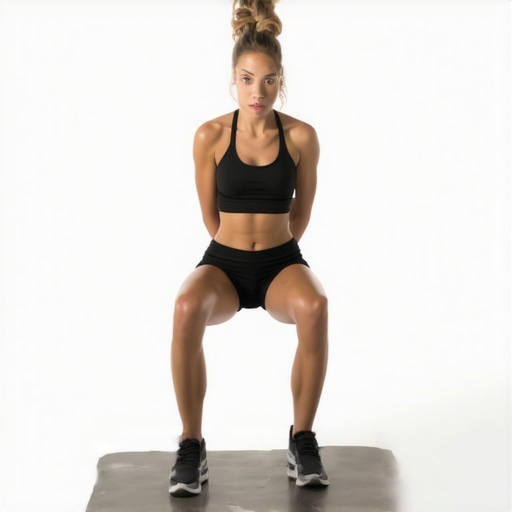
Start with your feet shoulder-width apart, toes slightly pointed outward. Engage your core by bracing your abdominal muscles as if preparing to be punched in the stomach. Keep your chest up to maintain a neutral spine. Picture your body as a sturdy tripod, with all three legs—head, shoulders, hips—aligned for balanced support.
Hinge at the Hips, Not Just the Knees
Think of your hips as the main hinge that initiates the movement. Push your hips back as if you’re sitting into an imaginary chair behind you. This hip hinge reduces stress on your lower back and ensures that you’re engaging your glutes and hamstrings properly. I recall a session where I consciously practiced the hip hinge while holding a stick along my back, making sure it touched my head, upper back, and tailbone—all staying in contact throughout. The result was a more controlled descent with less lower back strain.
Control Your Descent and Ascent
Lower your body smoothly, avoiding bouncing or dropping rapidly. Lower until your thighs are parallel to the ground or slightly below, depending on mobility. During the upward phase, drive through your heels, squeeze your glutes, and imagine trying to lift the bar by pushing your hips forward. I adjusted my stance slightly narrower and focused on feeling my hamstrings engage, which improved stability and reduced back discomfort over time. Remember, controlled movement is key to preventing injury.
Mind Your Back Position Throughout
Maintain a neutral lumbar curve—avoid arching excessively or rounding your back. Use a mirror or record your form to check alignment. If your back starts to sag or curve unnaturally, pause and reset your position. Incorporating core stability exercises—like planks—helps reinforce this neutral position. I added 30-second planks into my routine, which significantly improved my ability to maintain a safe back posture during squats.
Incorporate Mobility and Flexibility Drills
Limited hip or ankle mobility can force compensations, leading to lower back pain. Regularly perform dynamic stretches like leg swings or ankle dorsiflexion drills to improve range of motion. I found that dedicating five minutes daily to hip mobility exercises reduced my tendency to compensate during squats, thereby protecting my lower back.
Use Proper Equipment and Environment
Ensure your barbell is at the correct height—usually at or just below the umbilicus. Use a squat rack for safety, and consider wearing weightlifting shoes with a slight heel to improve ankle mobility and balance. When possible, train on a flat, even surface. I invested in supportive shoes and a quality squat rack, which made a noticeable difference in maintaining proper form and reducing strain on my spine.
Apply These Techniques Consistently
Consistency in form reinforces neuromuscular pathways, making proper techniques second nature. Over time, your muscles adapt to support your spine in the correct positions, decreasing injury risk. I committed to practicing these steps thrice a week, watching my form improve, and my back pain diminish significantly. For further insights into how chiropractic adjustments complement performance, visit this resource.
 Many people assume that chiropractic adjustments are the ultimate fix for all back pain, but in my experience, this belief oversimplifies a complex biomechanical puzzle. A common misconception is that quick spinal manipulations can resolve chronic issues without addressing underlying patterns or habits. While adjustments can provide relief, relying solely on them often masks deeper problems like poor movement patterns or muscular imbalances, which, if ignored, lead to recurring pain and injury. This is why integrating sports rehab strategies with chiropractic care, as discussed here, can significantly enhance long-term outcomes.
Another nuanced but often overlooked aspect is the importance of understanding the actual biomechanics involved in spinal health. For instance, many assume that the only cause of back pain is nerve compression or disc bulges, but recent research indicates that deficits in fascial mobility and muscle coordination play substantial roles (The Science Behind Chiropractic Adjustments for Back Pain Relief). Recognizing this helps practitioners and patients avoid the trap of over-relying on adjustments alone, and instead focus on restoring proper movement patterns to prevent future issues.
Are chiropractic adjustments suitable for everyone with back pain, or are there hidden risks for certain populations?
This question is essential for advanced practitioners and informed patients alike. For example, individuals with osteoporosis or vascular issues require careful evaluation before spinal manipulations, as traditional adjustments could pose additional risks. Evidence-based guidelines recommend a comprehensive assessment that includes postural analysis, movement screening, and sometimes imaging to tailor a safe, effective treatment plan. Ignoring these nuances can lead to heightened injury risk or delayed recovery, emphasizing the need for personalized approaches over one-size-fits-all solutions. If you’re curious about how to optimize your back health with a nuanced, informed approach, exploring these strategies can make a substantial difference in your recovery process. Consider consulting resources like targeted chiropractic strategies for athletic performance or rehab techniques for faster recovery to discover more about advanced care tailored to individual needs.Maintaining a healthy back and ensuring your chiropractic progress endures requires more than just periodic appointments. Utilizing targeted tools and adopting specific techniques can empower you to stay aligned, improve mobility, and prevent recurrence of issues. One of my personal essentials is the use of lacrosse balls for soft tissue release, particularly for knots in the thoracic region. I routinely incorporate this into my daily routine to address trigger points that, if left unaddressed, can compromise spinal stability. To enhance mobility further, I recommend investing in a quality foam roller with varied surface textures. It helps break down myofascial restrictions, especially around the hips and lower back, reducing tension that could lead to misalignment. Regular use of these tools complements chiropractic adjustments and accelerates recovery—this integrated approach is something I see making waves in future back care protocols.
How do I maintain optimal spinal health over time?
Over the years, I’ve learned that true progress in back health and sports rehab isn’t just about following rigid routines—it’s about embracing subtle yet powerful insights that most overlook. One lesson that stands out is how small adjustments in technique can prevent major setbacks, especially when it comes to spinal health during squats and other compound movements. Incorporating nuanced cues like hip hinge mastery and core stability has been a game-changer for me. I discovered that understanding my body’s unique biomechanics allowed me to move with confidence rather than fear, reducing both pain and injury risk.
Hidden Lessons That Changed My Perspective on Spinal Care
- The importance of listening to your body: Recognizing early signs of strain helped me preempt injury rather than treat symptoms after they worsened.
- Quality over quantity in rehab: Investing in proper mobility drills and myofascial releases like foam rolling made a bigger difference than just increasing weight or reps.
- Personalized approaches trump generic advice: What worked for others didn’t always work for me. Tailoring my rehab plan based on my specific movement patterns accelerated recovery and enhanced performance.
My Essential Tools for Long-Term Back and Performance Health
- Guides from expert resources: The comprehensive insights available at this resource helped me bridge the gap between chiropractic adjustments and functional movement training.
- Mobility accessories: A high-quality foam roller and lacrosse balls have become my staples for maintaining myofascial health and preventing tightness.
- Educational books on biomechanics: Titles that delve into fascial mobility and neuromuscular control opened my eyes to complexities I hadn’t appreciated before.
Stay Curious, Adapt, and Keep Moving Forward
The journey toward optimal back health isn’t a straight line; it’s a continuous process of learning and adapting. Embracing subtle cues, integrating expert strategies, and committing to consistent self-care can turn your setbacks into stepping stones. Your body is remarkably adaptable when given the right guidance and patience. So, take the initiative today—small changes can lead to profound improvements in your athletic performance and spinal wellness. If you’re looking for tailored advice, exploring innovative rehab techniques might be your next big step.