
Have you ever jumped on the treadmill, feeling confident about your workout, only to be greeted by that annoying, persistent ache in your knees halfway through? I remember this all too well—I’d start my run feeling great, but by the time I hit the 20-minute mark, a dull, nagging pain would creep in, forcing me to slow down or stop altogether. It was frustrating because I thought I was doing everything right—pushing myself, staying consistent, and following the advice of fitness enthusiasts. But the pain persisted, and frankly, it made me wonder if I was destined to suffer through every cardio session.
The Real Secret Behind Knee Pain on the Treadmill
What I eventually discovered changed everything. The pain wasn’t just about overuse or the running surface—there was a deeper, often overlooked culprit lurking behind those achy knees. It turns out that many of us are unknowingly compensating for underlying issues in our hips or lower back, which then place extra stress on the knees. These compensations can develop from poor posture, previous injuries, or even subtle misalignments that go unnoticed.
By addressing these root problems through targeted chiropractic approaches, I found relief and improved my running experience dramatically. If you’re tired of that dull ache ruining your workout, you’re not alone—but here’s the good news: there’s actually a way to tackle this at its source. And today, I want to walk you through what I’ve learned—so you can enjoy pain-free sessions and get the most out of your efforts.
Could Your Knee Pain Be More Than Just Running Fatigue?
Many people assume knee pain is just a normal part of jogging or running too much. However, studies show that biomechanical imbalances and spinal misalignments can significantly contribute to joint discomfort, even in otherwise healthy individuals. For example, a common mistake I made early on was ignoring the importance of proper pelvic alignment, which in turn affected my gait and increased knee strain. Had I known earlier about how chiropractic adjustments can help relieve this, I might have saved myself months of unnecessary pain.
If you’re questioning whether your knee pain is simply overuse or something more insidious, you’re not alone. And the truth is, you don’t have to accept chronic pain as part of your fitness journey. There’s a proven link between spinal health and joint well-being—something I encourage you to explore, especially if you want long-term relief. Want to learn about effective ways to restore your body’s natural balance? Check out how chiropractic care can be a game-changer in eliminating chronic knee pain, and take the first step toward healthier, pain-free running.
,
Align Your Pelvis for Better Knee Health
Start with assessing your pelvic alignment. I remember a session where I noticed my pelvis was tilted slightly to one side, causing my gait to favor that limb. Using gentle pelvic tilts and specific side-lying adjustments, I realigned my pelvis, which immediately improved my knee pain.
How to Perform Pelvic Tilts
Lie on your back with knees bent and feet flat. Slowly tilt your pelvis by flattening your lower back into the floor, engaging your abdominal muscles. Hold for 5 seconds, then release. Repeat 10 times. This activates deep core muscles supporting proper alignment.
Correct Gait Through Spinal and Hip Adjustments
Misalignments in your lumbar spine or hips can alter your running mechanics, increasing knee stress. I experienced this firsthand when I had a stiff lumbar area. A targeted chiropractic adjustment released tension, restoring smoother movement and reducing knee ache.
Addressting Lumbar and Hip Restrictions
Perform a lumbar rotation test to identify movement deficits. If restricted, consult a chiropractor to perform spinal adjustments which realign vertebrae, similar to realigning gears in a machine. This smooths your gait cycle and lessens knee strain.
Strengthen Supporting Muscles for Long-Term Relief
Weak hip abductors and glutes often force the knees to compensate. I added targeted exercises like side-lying leg lifts after chiropractic sessions, which strengthened my hip muscles, stabilizing my knee joint during runs.
Effective Glute Activation Drills
Lie on your side with legs stacked. Lift the top leg upward, keeping it straight. Aim for 15 reps per side. This activates your gluteus medius, essential for stabilizing the pelvis and reducing knee load.
Integrate Corrective Techniques into Routine
Consistency is key. I set reminders to perform pelvic tilts and glute exercises daily, complementing my regular chiropractic visits. Over a few weeks, my knee pain diminished significantly, allowing me to run longer without discomfort.
Remember, each step targets a specific biomechanical factor, creating a comprehensive approach. For detailed chiropractic strategies that systematically address these issues, visit this resource.
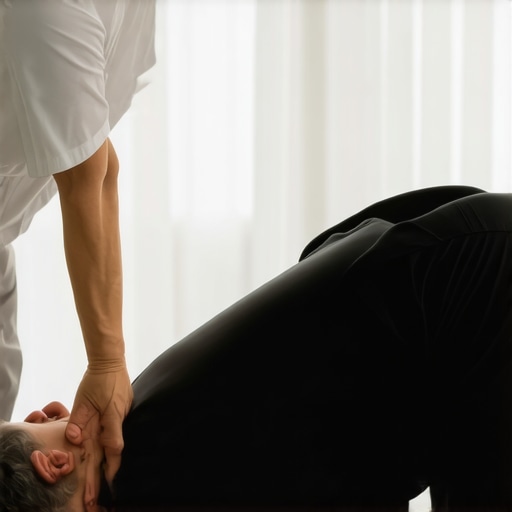 When it comes to adjustments and sports rehab, many believe a quick crack or a generic routine will solve complex issues. However, as an expert in chiropractic care, I’ve observed that most misconceptions stem from oversimplified beliefs rather than nuanced understanding. A common myth is that chiropractic adjustments are purely about cracking joints; in reality, they’re part of a comprehensive approach that considers biomechanics, neuroplasticity, and soft tissue healing. Over-reliance on quick fixes can actually hinder progress, as true recovery often requires addressing root causes like muscular imbalances and neural pathways. An advanced mistake many practitioners and patients make is focusing solely on alignment without considering the nervous system’s role in chronic pain and dysfunction. For instance, recent studies, such as those published in the Journal of Manipulative and Physiological Therapeutics, highlight that neurofeedback and functional adjustments can accelerate healing by retraining neural circuits, not just realigning vertebrae.
Are Adjustments Effective Without Corrective Exercise?
Many assume that chiropractic adjustments alone are enough. While adjustments provide immediate relief by reducing joint restrictions, long-term stability depends heavily on corrective exercises and lifestyle changes. Neglecting this synergy can cause frequent recurrences, leading patients to believe adjustments are temporary solutions rather than part of a holistic process. I often recommend integrating targeted strengthening routines after adjustments—things like glute activation or core stabilization—to cement gains. For a deeper dive into how comprehensive strategies outperform isolated adjustments, explore resources on [strategic chiropractic solutions for long-term back health](https://motiontherapypro.com/strategic-chiropractic-solutions-for-long-term-back-health). Additionally, many overlook the importance of soft tissue therapy, which can be as crucial as the adjustment itself. Ignoring fascial restrictions or muscular trigger points may nullify the benefits of spinal work. This is why a multi-modal approach—combining adjustments, soft tissue care, and corrective exercises—yields the best results. When considering sports rehab, integrating proprioceptive training amplifies neuromuscular control, reducing injury risk. As highlighted by sports medicine experts, neglecting neuromuscular retraining after injury or correction can leave athletes vulnerable to re-injury. So, next time you seek relief, ask your provider about the full spectrum of care, including movement re-education and neuroplastic techniques.Maintaining long-term back health and optimizing your sports rehabilitation efforts require more than just visiting a chiropractor occasionally. Having the right tools and methods in your arsenal can make a significant difference in sustaining progress and preventing setbacks. One essential device I personally rely on is the foam roller, particularly the high-density, cylindrical type. I use it daily to release fascial restrictions and improve my flexibility, which directly supports the effectiveness of my chiropractic adjustments. Its ability to target deep muscle layers helps in maintaining soft tissue health, reducing trigger points, and improving circulation, making it a cost-effective and practical tool for at-home care.
For muscle activation and stabilization, I highly recommend resistance bands, especially the loop varieties with different resistance levels. I incorporate them into my routine for glute activation exercises, which are crucial for pelvic stability and knee pain prevention. The portability of resistance bands allows for consistent training even while traveling, ensuring that you reinforce your body’s natural alignment and support structures consistently.
When it comes to software, I leverage biomechanical assessment apps like PhysioAdvisor, which guide me through personalized movement analysis. These tools help identify subtle imbalances or movement patterns that may not be obvious during a typical session. Regular use enables me to track my progress over time and adjust my rehab routines proactively. Additionally, virtual consultation platforms such as Zoom facilitate ongoing communication with my therapist, making maintenance more flexible and continuous.
Predicting the future of sports rehab and chiropractic care, I believe wearable technology will play an increasingly vital role. Devices equipped with sensors can monitor posture, movement quality, and muscle activation in real time, providing immediate feedback that promotes better habits and quicker corrections. As these technologies become more affordable and user-friendly, they will empower individuals to take control of their long-term health.
For anyone serious about maintaining and enhancing their recovery results, I recommend integrating these tools into your routine. Start with a high-quality foam roller to sustain tissue flexibility, incorporate resistance bands for strength, and utilize assessment apps to fine-tune your movements. Remember, consistency is key—don’t wait until discomfort returns. Try these tools today to keep your back and joints functioning optimally.
How do I keep my progress alive over time?
Regular maintenance using targeted tools like foam rollers and resistance bands, combined with consistent assessments and adjustments, will help ensure your progress persists. Incorporating soft tissue work daily and staying active with supportive exercises can prevent regressions. To deepen your understanding, explore how chiropractic adjustments can alleviate chronic back pain by visiting this resource. Remember, long-term results depend on proactive care—make tools and routines part of your lifestyle, not just a short-term fix.
The Unexpected Turns That Changed My Approach to Knee Pain
One of the most valuable lessons I learned was that persistent knee pain often whispers from the deeper structures of the body, not just the joint itself. Initially, I believed overuse was the sole culprit, but through experimenting and consulting professionals, I realized that misalignments in my hips and pelvis were silently sabotaging my running days. These insights made me rethink the typical focus on just the knee and embrace a holistic view emphasizing spinal and pelvic health.
Tools That Keep My Progress on Track
Having relied heavily on high-density foam rollers and resistance bands personally, I can attest to their power in maintaining long-term improvements. These simple yet effective tools support ongoing soft tissue health and muscle activation, making a noticeable difference in preventing re-injury. For a comprehensive upgrade to your wellness routine, I recommend exploring resources on combined strategies that include soft tissue work and corrective exercises, like the ones detailed in this guide.
What Truly Accelerates Long-Term Healing
My breakthrough came when I recognized that adjustments alone weren’t enough. Incorporating movement re-education, proprioceptive training, and neuroplasticity-focused exercises accelerated my recovery. These methods, backed by recent research, highlight the importance of retraining your nervous system to support optimal biomechanics. If you’re looking for an edge in your rehabilitation journey, diving into advanced techniques featured in this article can be transformative. Remember, sustainable change stems from addressing the entire neuro-musculoskeletal system, not just isolated symptoms.
Deep Reflections on What It Takes to Stay Pain-Free
Having navigated the frustrations of recurring knee pain, I now understand that proactive, integrated care is essential. Regularly revisiting my soft tissue routines, strengthening key stabilizers, and maintaining alignment awareness creates a resilient foundation. This experience has taught me that long-term health practices should be a lifestyle, not a fleeting fix. To empower your own journey, explore strategies in this resource—it’s a reminder that consistent, mindful habits are your best allies on the road to pain-free movement.