
I’ll never forget the moment I realized my knee was collapsing inward every time I attempted a single-leg squat. It felt like trying to balance a wobbly chair — unstable, frustrating, and totally discouraging. I had been lifting weights for years, but something about this simple move exposed a weak spot I never knew existed. That lightbulb moment made me question everything I thought I knew about training and body control.
Getting to the Root of Your Knee Caving Issue
Many people struggle with their knees turning inward during single-leg workouts, and it’s more common than you might think. This misalignment not only hampers your performance but can also set the stage for injuries down the line. The real question is: Why does this happen?
In my early days, I made a crucial mistake — I assumed it was all about strength and just worked harder on my quads. But as I later discovered, it’s often a complex puzzle involving your hips, ankles, and overall movement patterns. When the stabilizers around your hips aren’t firing properly or your ankle mobility is limited, your knee bears the brunt, collapsing inward in an attempt to compensate.
Research shows that improperly functioning hip stabilizers can significantly affect knee alignment, increasing the risk of pain and injury (see this article for more insights). Recognizing this connection was a game-changer for me, and it’s a critical step for anyone eager to master proper form.
Is Fixing Your Knee Cave Actually Worth the Effort?
Honestly, I used to wonder if all the fuss was overblown. Was it really that important? Looking back, ignoring this issue would’ve been a mistake. Small misalignments can snowball into serious injuries — think torn ligaments or chronic joint pain. Plus, the satisfaction of nailing a perfect single-leg squat without wobbling or collapsing is worth every effort. So yes, addressing your knee cave is not just about aesthetics; it’s about safety, function, and long-term health.
If you’re tired of feeling like your squat is more about balancing than strength, I invite you to explore the root causes with me. We’ve got some practical solutions lined up that will help you correct your form and build the stability you need. Ready? Let’s dive deeper into what’s really going on and how to fix it once and for all.
Identify and Mobilize Your Weak Links
Begin by assessing your hips, ankles, and core. If your hips are tight or weak, your knees will often cave inward during single-leg exercises. My personal approach started with a simple ankle mobility drill I learned from a sports rehab specialist, which immediately improved my form. Incorporate ankle circles and dorsiflexion stretches daily to enhance mobility and reduce compensation patterns.
Strengthen Your Hip Stabilizers
Target the gluteus medius and maximus with exercises like side-lying leg lifts, clamshells, and hip bridges. Focus on slow, controlled reps to activate the correct muscles. For example, I added clamshells into my routine, performing three sets of 15 reps on each side, noting immediate stabilization improvements in my squat.
Improve Your Core Engagement
A strong core prevents unwanted knee movement. Practice planks, bird-dogs, and dead bugs, emphasizing spinal neutrality. I once held a plank for 45 seconds, focusing on bracing my abs—this mini-session noticeably reduced knee wobbling during my next workout.
Address Ankle Restrictions
Limited ankle dorsiflexion causes compensations up the chain. Use self-myofascial release on the calves with a foam roller and perform ankle Mobilizations, like wall slides, to increase dorsiflexion. For instance, after just a week of daily foam rolling, I noticed a visible difference in my squat depth and knee tracking.
Incorporate Controlled Movement Drills
Practice single-leg balance and controlled squats, focusing on proper knee alignment. Use mirror feedback or record yourself to catch deviations. During one session, I used a mirror to monitor my knee position, correcting it in real-time, which fast-tracked my progress.
Seek Professional Evaluation When Needed
If persistent caving continues despite these steps, a chiropractor or sports rehab specialist can perform a thorough assessment. Techniques like strategic chiropractic adjustments can restore functional alignment, addressing underlying restrictions that cause compensation patterns. For more on effective sports rehab strategies, visit this resource.
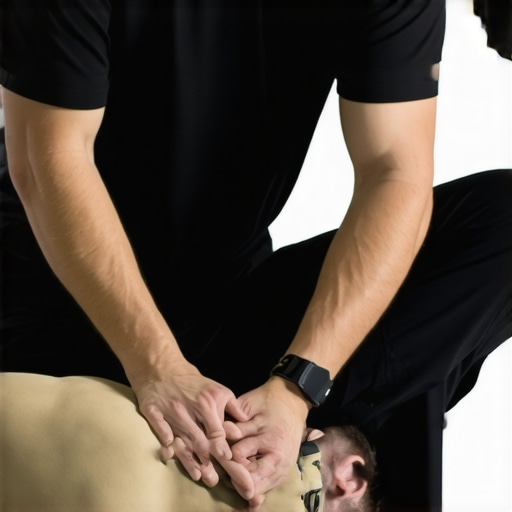 Many people assume that chiropractic adjustments are a quick fix for back pain, but in reality, there’s a lot of nuance that often gets overlooked. One common misconception is that adjustments alone can resolve chronic pain without addressing underlying movement patterns or lifestyle factors. This oversimplification can lead to temporary relief, only for the pain to return later. In my experience, integrating targeted rehabilitation exercises and understanding your body’s mechanics is crucial for long-term results. A trap to avoid is relying solely on quick fixes like popping and cracking without correcting the root causes. Studies have shown that combining chiropractic care with specific strengthening routines yields better outcomes than adjustments alone (see this research).
For the advanced reader wondering how to optimize treatment plans, consider the importance of functional assessments that identify compensations and joint restrictions beyond what standard adjustments address. Techniques such as soft tissue work, neural mobilizations, and movement retraining are often overlooked but vital for sustainable recovery. Many practitioners focus narrowly on spinal manipulation, but evidence suggests a multidisciplinary approach enhances healing (explore this strategy for athletic performance).
Be cautious of the seductive promise of instant relief. Quick fixes can sometimes mask deeper issues, leading to dependency on repeated treatments without progress. This is especially true when lifestyle factors like posture habits and ergonomic setups are ignored. Remember, real progress comes from a comprehensive approach that incorporates lifestyle modifications, movement education, and strength training.
Addressing misconceptions and avoiding common pitfalls can make your journey toward back health more effective and lasting. Curious to learn more about effective strategies? Check out this detailed guide.
Have you ever fallen into this trap? Let me know in the comments.Maintaining your progress after chiropractic adjustments or sports rehab requires more than just visiting the practitioner; it’s about integrating effective tools and routines into your lifestyle. Personally, I rely heavily on specific equipment and software to track, optimize, and sustain my treatments. One essential resource I use regularly is my biofeedback device, which helps me monitor muscle activation and ensures that I engage the correct stabilizers during exercises—even when I’m at home. Devices like the MyoTrack allow for real-time feedback, promoting consistent engagement with targeted muscles, which is critical for long-term stability.
Another investment I swear by is a quality foam roller paired with a lacrosse ball. These tools help me perform self-myofascial release daily, breaking down knots and improving tissue mobility between sessions. I’ve found that dedicating just ten minutes each morning to rolling out tight areas like the hips, calves, and thoracic spine significantly prolongs the effects of chiropractic adjustments and supports ongoing mobility. For those looking to track their progress over time, apps like Fitbod or Strong offer customizable workout tracking, reminding you to prioritize rehab exercises while progressively increasing load. This data-driven approach ensures you’re not just maintaining but steadily advancing your recovery plan.
How do I keep my improvements going without regression?
Consistency is key. Incorporating these tools into a daily routine, such as a self-care session with foam rolling or brief mobility drills backed by apps, helps reinforce your progress and prevent setbacks. Looking ahead, I predict the integration of wearable technology with AI-driven analytics will revolutionize how we monitor our recovery, providing personalized insights that adapt in real-time and foster even better long-term results. For example, smart compression garments and posture sensors could give continuous feedback, alerting us to poor habits before they cause injury.
To make this practical, start by adding a targeted mobility drill—like the 30-second thoracic spine rotation—into your daily routine. Pair it with your favorite tracking app to observe how your mobility improves over weeks. And remember, prioritizing consistency with the right tools can transform your rehab journey from short-term relief to lasting success. If you’re ready to take your recovery further, check out these proven strategies for optimizing long-term results.
The Hardest Lesson I Learned About Back Recovery
One of the most eye-opening realizations I had was that chiropractic adjustments alone aren’t enough for lasting relief. I used to think a quick tweak would fix everything, but I soon discovered true progress involves a comprehensive approach—incorporating movement, strengthening, and lifestyle changes. This lesson reminded me to look beyond the surface and address the root causes of back pain for sustainable results.
Why Consistency Trumps Quick Fixes in Sports Rehab
Early in my journey, I underestimated the power of daily habits. Slip in a few missed mobility drills or neglect core engagement, and regression was inevitable. It became clear that maintaining improvements requires a dedicated, ongoing routine—like using a foam roller or tracking progress with apps—to keep my gains intact. Consistency is the secret sauce that turns short-term relief into lifelong health.
Personal Wisdom: Staying Proactive with Body Awareness
Listening to my body became a cornerstone of my success. Small signals—tightness, discomfort, or asymmetry—served as alerts to adjust my routines before issues escalated. Cultivating that awareness empowered me to prevent setbacks and stay ahead of problems, proving that quick responses and mindful habits are vital in long-term back health management.