
I’ll never forget the moment I rolled my ankle during a weekend pickup game. The pain shot through my foot like lightning, and I knew immediately I was in trouble. I wanted to keep playing, stubborn as I am, but the swelling and instability told a different story. That day was a lightbulb moment for me—realizing that an effective taping technique could mean the difference between a quick recovery and weeks of hobbling around.
The Power of Proper Ankle Taping
Since then, I’ve delved into the best ways to tape a sprained ankle, aiming for maximum support without sacrificing circulation. What I discovered is that when done correctly, taping can provide invaluable stability, reduce pain, and help you return to your favorite activities faster. Today, I want to share proven tips that I’ve used and refined—so you don’t have to learn the hard way like I did.
Is All Tape Created Equal for Support?
This was my initial skepticism. I hesitated to invest in specialized athletic tapes, thinking any tape would do the job. Turns out, not all tapes are designed for the same purpose. Using the wrong type can lead to ineffective support or even cause skin irritation. I learned this early on, and that mistake taught me the importance of selecting the right tape—like kinesiology tape or cohesive bandages—for optimal results.
Apply the Anchor Strips Properly for Stability
During my first attempt, I recall placing the initial anchor strips around my lower calf and heel. Instead of wrapping snugly, I left them too loose, which didn’t provide the support I needed. To do this correctly, start with a firm but comfortable tension around the lower leg, ensuring the tape secures the joint without restricting circulation. Visualize anchoring the tape like creating a firm foundation for a building—stability starts at the base.
Use Proper Direction for Sturdy Support
In my messy trial, I learned that the tape should follow the natural contours of the ankle bones. For support, apply the tape in figure-eight patterns: one loop around the heel and ankle, crossing over the instep, then back around the ankle. This method stabilizes the lateral or medial side, depending on injury. Think of it like lacing up a hiking boot—consistent tension along the right paths offers the best lock-in support.
Target the Ligaments with Strategic Tape Patterns
Once I understood the patterns, I focused on specific ligaments. For example, taping the lateral ligaments involved overlapping strips from the outside of the ankle, crossing over the joint, and wrapping securely around the arch. I found that applying the tape with a slight stretch reinforces the ligaments like a supportive brace—imagine wrapping a sturdy rope around a fragile branch to prevent breakage. Proper tension is key; too tight, and circulation cuts off; too loose, support is ineffective.
Avoid Common Mistakes with Skin Preparation
On my first try, I skipped cleaning my skin, which caused the tape to peel prematurely. Before taping, I wiped the area with alcohol to remove oils and sweat. This step ensures better adhesion, much like priming a wall before painting guarantees better stickiness. This simple prep can make a significant difference in the tape’s durability during movement.
Secure Extra Support with Cohesive Wraps
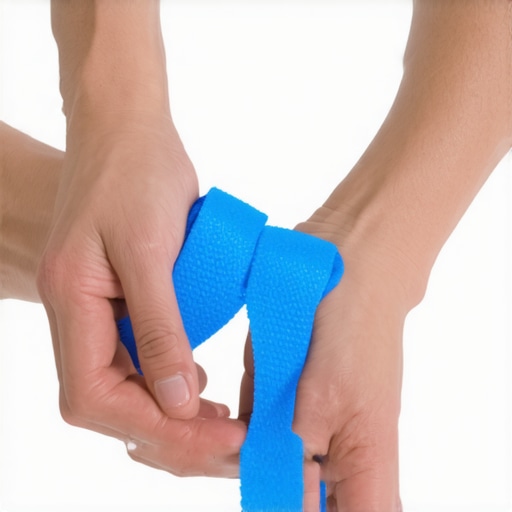
After laying the tape, I used a cohesive bandage to lock everything in place. This layer also helps keep the tape from slipping during activity. Wrap from the toes toward the calf with moderate pressure, overlapping each layer by about half. Think of it as wrapping a gift—firm enough to stay in place but not so tight that it cuts off circulation. When done right, it feels supportive without discomfort, much like a second skin.
Final Checks and Testing
Post-application, I checked for numbness or tingling, which would indicate too tight a wrap. I also moved my ankle through gentle motions to confirm support without pain. This step is like a test drive—your support should feel firm yet flexible. Adjust if necessary, ensuring maximum stability for your activity goals. Proper taping isn’t just about the support; it’s about confidence that your ankle can handle the demands ahead.
Following these clear, step-by-step techniques transformed my approach from trial and error to effective support. Remember, practice makes perfect—every ankle is different, but mastering the fundamentals ensures you won’t have to learn the hard way again.
 Many individuals believe that chiropractic adjustments are a one-size-fits-all solution for back pain and sports injuries. However, as an experienced practitioner, I can tell you that there are subtle complexities that often go unnoticed. One common misconception is that any adjustment will produce the same results, but this couldn’t be further from the truth. The effectiveness of a chiropractic treatment depends heavily on precise technique, patient-specific anatomy, and timing. For instance, applying cervical adjustments without considering the client’s overall posture and muscle tension may lead to suboptimal outcomes or recurring issues. To truly unlock the benefits of chiropractic care, a nuanced understanding of biomechanics and neurophysiology is essential. Research indicates that tailored adjustments, guided by detailed assessments, can significantly improve long-term results, especially in complex cases like chronic back pain or sports-related injuries. Avoid the trap of generic treatments—invest in a chiropractor who customizes strategies based on your unique body mechanics. This approach isn’t just about immediate relief; it supports sustainable health and performance. Want to elevate your recovery process? Check out our resource on [revolutionizing your rehab with advanced chiropractic techniques](https://motiontherapypro.com/revolutionize-your-rehab-chiropractic-techniques-for-faster-recovery), which dives deep into individualized strategies for faster healing. Remember, understanding these nuances not only enhances your recovery but also prevents future setbacks. Have you ever fallen into the trap of thinking all chiropractic adjustments are the same? Let me know in the comments!
Maintaining your back health and ensuring long-term results from chiropractor treatments require more than just periodic visits. Having the right tools at your disposal can make a significant difference in the consistency and effectiveness of your self-care routine. One of the first essentials I recommend is a quality portable foam roller. Unlike generic rollers, a dense, high-quality foam roller helps release muscle knots and improve flexibility between appointments. I personally prefer the TriggerPoint GRID Foam Roller because its multi-density surface provides versatile muscle release and can target specific trigger points effectively.
Invest in a Nerve Glide Routine Kit
In my practice, I emphasize the importance of nerve mobility exercises to prevent persistent pain or nerve-related symptoms. A nerve glide routine kit, which includes small massage balls and stretch guides, allows you to perform targeted nerve mobilization. I’ve found that using a Lacrosse Ball to perform routine nerve gliding helps alleviate symptoms of conditions like carpal tunnel or sciatica. Incorporating these exercises into your daily routine can augment the benefits of adjustments and prevent setbacks.
Why Keep a Posture Assessment App Handy?
Modern technology offers apps that analyze your posture using just your smartphone camera. I personally use the Upright GO Posture Coach app to monitor and correct my daily habits, especially during long workdays. Consistent feedback helps me stay mindful of my alignment, reducing the chances of re-injury or chronic strain. As research shows, ongoing self-awareness is critical for long-term spinal health, especially when you have a history of back pain.
Monitoring Progress with Digital Journals
Track your pain levels, activity patterns, and mobility progress with digital journals or apps like MyPain Diary. Documenting your recovery journey helps identify triggers and patterns, ensuring your rehabilitation strategies evolve effectively. This approach aligns with best practices in sports rehab, where data-driven adjustments improve outcomes.
Looking Ahead: The Future of Self-Maintenance Tools
Advancements in biomechanical sensors and wearable tech are poised to revolutionize how we maintain spinal health. Devices that monitor muscle activity or nerve function in real-time could offer personalized feedback, making self-care more intuitive and effective than ever. For now, combining traditional tools with modern tech — like posture apps and nerve kits — offers a practical and powerful way to keep your progress on track.
How do I keep my progress over time?
Consistency is key. Incorporate daily routines using tools like foam rollers and nerve glide kits, stay aware of your posture with apps, and track your symptoms. Regularly reviewing your journal can help you recognize patterns before small issues become significant setbacks. Remember, a proactive approach combined with these tools can extend the benefits of chiropractic care well beyond your visits. For advanced strategies, consider exploring revolutionizing your rehab with innovative chiropractic techniques to stay ahead of potential setbacks. Try integrating a nerve glide routine today—it might be just the extra step you need for lasting relief!
Beyond the Basics: What I Wish I Knew About Effective Support
- One of the most profound lessons I learned was that consistency beats intensity. Mastering a proper taping technique requires patience and repeated practice—skipping steps or rushing through application diminishes its benefits. It’s not just about taping; it’s about creating a supportive mindset that prioritizes meticulous preparation and technique.
- I realized that a personalized approach outperforms generic solutions every time. When I started tailoring my taping patterns and chiropractic adjustments to my specific anatomy and movement habits, my recovery times shortened, and my pain lessened significantly. This reinforced the importance of listening to your body and customizing support accordingly.
- The power of simple, proactive habits became clear. Incorporating daily nerve glide routines, posture checks, and self-soft tissue work made a tremendous difference in preventing issues from escalating. Small, consistent actions are more impactful than sporadic intensive treatments.
- Understanding that healing isn’t linear was a game-changer. Some days felt more supportive than others, and that’s normal. Recognizing this allowed me to be more patient with my progress and focus on long-term habits rather than short-term fixes.
My Tool Chest for Back and Sports Rehab
- High-Quality Foam Rollers: I trust the TriggerPoint GRID Foam Roller for its durability and muscle release capabilities, essential for pre- and post-therapy routines.
- Nerve Glide Kits: They help maintain nerve mobility, preventing chronic pain from nerve entrapments and optimizing the benefits of chiropractic adjustments.
- Posture Monitoring Apps: Technology like the Upright GO Posture Coach keeps me mindful of my alignment, especially when working long hours or after workouts.
- Educational Resources: Understanding the science behind adjustments enhances my confidence and compliance during recovery.
Step Forward and Own Your Healing Journey
Remember, the insights gained from proper ankle taping and tailored chiropractic care aren’t just techniques—they’re a mindset shift toward proactive and personalized health management. Embracing these strategies empowers you to take control, avoid setbacks, and enjoy a higher quality of life. Your back, ankles, and overall mobility will thank you for making support, support that truly fits, a priority.
So, what small change can you start today to support your recovery or prevent future injury? Let me know below—I’d love to hear your plan to take action!