
I remember the first time I really *felt* the pain from poor squat form—my lower back firing up like a warning signal I couldn’t ignore. It was a frustrating session, full of attempts and retries, each one bogged down by that awkward, almost unavoidable rounding of my lumbar spine. I was lifting heavier, pushing myself, but my back was crying out for help. That lightbulb moment hit me hard: if I didn’t fix my form, I was heading straight toward chronic discomfort and injury.
Weeks of trial and error followed, spending hours researching, experimenting, and trying to brute-force my way through the pain. It wasn’t until I discovered the *Hip Tactic*—a simple yet powerful strategy—that everything changed. Suddenly, my squats felt smoother, safer, and more powerful. So, if you’ve ever faced that nagging feeling that your lower back is taking over during squats, stick around. We’re going to dive into the core reasons behind this issue and, more importantly, how to fix it for good.
The Importance of Hip Mobility and Proper Technique in Squatting
Many enthusiasts and athletes ignore the critical role their hips play in maintaining good squat form. When hips are tight or not integrating well with your movement pattern, your body naturally compensates by rounding the lower back. This isn’t just about bad posture; it’s a protective mechanism. Think of your hips as the foundation of your squat—if they’re weak or limited, your back bears the brunt.
Early on, I made the mistake of focusing solely on strengthening my quads and glutes without considering hip flexibility and function. That was a rookie error. It’s well documented that limited hip mobility is a key factor in poor squat mechanics, leading to lower back strain and potential injuries (source: [The Role of Chiropractic Care in Effective Sports Injury Recovery](https://motiontherapypro.com/the-role-of-chiropractic-care-in-effective-sports-injury-recovery)).
What changed everything for me was applying targeted hip mobility drills and incorporating the *Hip Tactic*—a method to unlock and stabilize this pivotal joint. This strategy didn’t just improve my squat form; it transformed my approach to training and injury prevention.
Are you tired of feeling like your back is the only thing holding you back during squats? If so, you’re in the right place. Next, we’ll explore the practical steps to implement this technique and get your hips—and your back—working in harmony.
Assess Your Hip Range of Motion
Start with a simple test: lie on your back and try to bring one knee towards your chest while keeping the other leg straight. If you notice limited movement or tightness, it indicates restricted hip mobility. I once struggled with this for weeks, feeling tightness in my hips that affected my squat form. Recognizing this early allowed me to target my mobility deficits.
Incorporate Dynamic Warm-Ups
Before squatting, perform moves like leg swings and hip circles. These activate your hip muscles and prepare the joint for movement. During my first session, I incorporated leg swings and immediately felt a difference in my squat depth and stability.
Work on Hip Flexibility with Targeted Stretches
Stretch your hip flexors and quads regularly. One effective stretch is the kneeling hip flexor stretch: kneel on one knee, push your hips forward, and hold. I did this daily, and over a couple of weeks, I noticed my hips moved more freely, reducing my back strain during squats. Consistent stretching enhances joint flexibility and reduces compensatory patterns.
Use Foam Rolling to Release Tension
Apply a foam roller to your quads and hip areas to break up tight fascia. I found that rolling my quads and the front of my hips alleviated muscle tightness, allowing smoother movement. This step is crucial as it reduces restrictions that might force your lumbar spine to compensate.
Practice Hip-Opening Exercises
Exercises like the butterfly stretch or Pigeon pose improve internal rotation and overall hip mobility. Incorporate these into your cool-down routine. I added Pigeon pose after workouts, which significantly improved my squat depth over time. These exercises open the hip joint, making your squat pattern more natural and safe.
Integrate Hip Activation Drills
Activate your glutes with exercises like clamshells or glute bridges before heavy lifts. During my training, focusing on glute activation made a noticeable difference in maintaining lumbar position during squats. Think of your hips as the anchor; engaging them ensures your back isn’t doing extra work.
Refine Technique with Video Feedback
Record your squats and analyze your form. Look for early signs of losing hip control or lumbar rounding. I used my phone to review and saw that my hips were not tracking properly, leading me to adjust my stance and mobility exercises accordingly. Continuous feedback helps correct compensations and reinforces proper movement patterns.
Progress Gradually and Consistently
Don’t rush into heavy loads. Focus on quality movement, gradually increasing intensity as your hips loosen. My breakthrough came when I combined mobility work with lighter squats, allowing my body to adapt. Patience and consistency are key to sustainable improvement.
By systematically enhancing your hip mobility through these actionable steps, you create a solid foundation for safer, more effective squats. Remember, addressing mobility issues early can prevent chronic back pain and injuries later on, much like how strategic chiropractic solutions offer long-term relief for back health.
Many people believe that chiropractic adjustments are a quick fix for back pain, but in my experience, this oversimplifies a complex process. A widespread misconception is that a single adjustment can permanently resolve chronic issues, yet research shows that effective long-term relief often requires a combination of tailored rehab, lifestyle changes, and periodic adjustments (source: [The Science Behind Chiropractic Adjustments for Back Pain Relief](https://motiontherapypro.com/the-science-behind-chiropractic-adjustments-for-back-pain-relief)). Another myth is that pain itself is always the primary indicator of an injury; in reality, many clients report lingering discomfort even after successful adjustments because underlying mobility restrictions or muscular imbalances persist.
For advanced athletes or chronic cases, it’s crucial to understand that the nervous system adaptation plays a significant role. Adjustments can recalibrate joint function, but without addressing neuromuscular control and movement patterns, symptoms may return. This is where manual therapy techniques, combined with personalized rehab strategies, showcase their true value ([Revamp Your Rehab with Chiropractic Techniques for Faster Recovery](https://motiontherapypro.com/revolutionize-your-rehab-chiropractic-techniques-for-faster-recovery)).
Beware of the trap of assuming all back pains originate from spinal misalignments. Sometimes, soft tissue restrictions or pelvic imbalances are the real culprits, and focusing solely on adjustments might overlook these critical factors. For example, restricted hip mobility can cause compensatory lumbar strain, as I’ve seen consistently in my practice. Incorporating mobility drills and addressing muscular tightness often yields better results than adjustments alone.
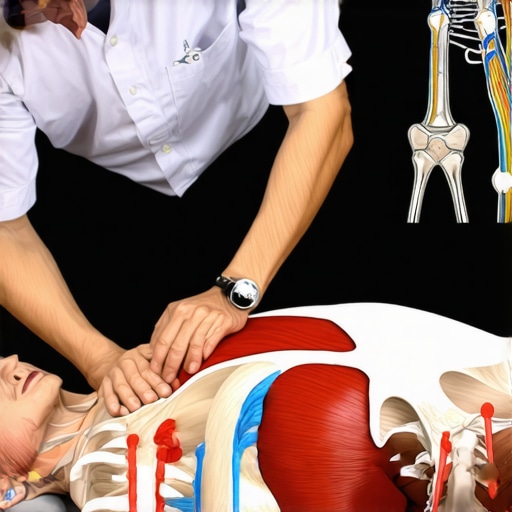
Understanding these nuances helps you make informed decisions, avoiding costly and ineffective treatments. It’s vital to take a comprehensive approach—combining chiropractic care, targeted rehab, and lifestyle modifications—to truly resolve back pain symptoms. At the same time, stay cautious of common pitfalls like over-reliance on adjustments without addressing root causes.Maintaining your back health over the long haul is about more than just occasional adjustments or quick fixes. It requires a strategic approach, leveraging specific tools and methods that support sustained improvement and enable effective scaling of your rehab efforts. One of my top recommendations is investing in a quality foam roller combined with a set of targeted mobility balls. I personally use a dense, high-quality foam roller and a set of lacrosse balls to release tight fascia and trigger points in my pelvis and lower back. These tools are portable, affordable, and incredibly effective at maintaining tissue flexibility between chiropractic sessions. Regular self-myofascial release with these tools helps prevent the build-up of adhesions, which can compromise mobility and lead to chronic pain. Another essential component is a reliable coaching app or video platform that provides guided mobility routines tailored to back health, such as those I’ve found on specialized physiotherapy sites. These platforms allow me to monitor progress, receive feedback, and adjust my program over time. As technology continues to progress, virtual rehab programs incorporating AI-driven biomechanics analysis are emerging, promising even more personalized and adaptive recovery plans. Prediction suggests that future tools will seamlessly integrate wearable sensors, real-time feedback, and data-driven adjustments, making long-term management increasingly accessible and effective.
How do I keep my back healthy without constant visits to the chiropractor?
Developing a routine that includes daily mobility work using foam rollers, lacrosse balls, and dynamic stretching is the best way to sustain your improvements. Incorporate specific exercises like the pelvic tilt or hip flexor stretches, and use apps to track your progress. Remember, consistency is key; even just 10 minutes a day can make a significant difference. Additionally, consider periodic check-ins with your chiropractor for adjustments and to reassess your needs—this proactive approach prevents small issues from escalating. To scale your rehab efforts, gradually add resistance exercises like band-hab exercises, which strengthen the stabilizers supporting your spine. As you master the basics, increasing the complexity or volume helps build resilience and performance capacity. Lastly, keep an eye on emerging tech; wearable devices that measure posture and movement can offer valuable feedback, helping you correct habits before they lead to pain. Integrating these tools creates a comprehensive home-based protocol that supports both recovery and long-term resilience. For detailed guidance on how chiropractic care complements these strategies, see [Discover how chiropractic adjustments can alleviate chronic back pain](https://motiontherapypro.com/discover-how-chiropractic-adjustments-can-alleviate-chronic-back-pain), which discusses combining hands-on therapies with active maintenance. Putting these tools into practice now sets a foundation for a future where back health is maintained proactively, not reactively. Start with a simple mobility drill using a lacrosse ball to release tension in your lumbar area—it’s an easy step toward keeping your back working optimally.
What I Never Expected About The Power of Hips and Chiropractic
One of the most surprising lessons I learned was how deeply interconnected hip mobility and spinal health are. Initially, I thought fixing my back pain was solely about adjustments, but I realized that without addressing hip tightness, my efforts were only scratching the surface. This changed my entire approach towards injury prevention, emphasizing the importance of a holistic rehab plan.
Tools That Transformed My Recovery Perspective
Using a high-quality foam roller, lacrosse balls, and guided mobility programs significantly enhanced my long-term back health. These tools are affordable and portable, empowering me to maintain my improvements without constant visits. My favorite resource is the essential tips for managing back pain, which offers practical routines tailored to everyday life.
Action Over Assumption: What Keeps People Suffering
I used to believe quick fixes like quick stretches or a single chiropractic adjustment could solve everything. Real progress came when I started respecting the process—consistent mobility work, strengthening stabilizers, and understanding my body’s signals. It’s easy to get discouraged, but the secret is embracing small, sustained actions that build resilience over time.
Are you ready to go beyond temporary relief and develop habits that sustain your back health? Starting today, incorporate targeted mobility and activation exercises into your routine, and watch how your recovery journey transforms. Consult professional guidance to customize your plan.