
Ever been deep into your work when suddenly, a dull, persistent ache creeps into your mid-back? One moment you’re confidently typing away, and the next, you’re grimacing every time you reach for your keyboard. I remember those moments all too well—feeling stuck in a cycle of discomfort that seemed to worsen with each passing hour.
That frustrating, almost helpless feeling was my wake-up call. I realized I wasn’t alone in this struggle, and surprisingly, the solution wasn’t about expensive ergonomic chairs or complex stretches. It was a simple, 30-second fix that transformed my daily comfort and productivity.
Why Mid-Back Tension While Typing Can Ruin Your Day—and Your Body
Back in the day, I thought the occasional ache was just part of working long hours at my desk. But over time, I learned that persistent mid-back tension isn’t something to ignore. According to a study published in the Journal of Physical Therapy Science, prolonged poor posture and static muscle contractions can cause muscle fatigue and pain, especially in the mid-back region—a common complaint among office workers and remote employees alike.
This tension doesn’t just feel uncomfortable; it can lead to more serious issues like chronic pain, nerve compression, or even influence your overall posture and mobility. If you’re like me, perhaps you’ve tried adjusting your chair, changing your desk setup, or doing the traditional stretches with little lasting relief.
What I found startling early on was that many of the common habits we adopt—like slouching or leaning forward—actually lock your muscles into a tense, strained position. It’s like driving a car with the parking brake on—you’re exerting effort without moving forward. That’s when I realized that the key isn’t just about how I sit, but how I reset my muscles swiftly during those tense work moments.
So, if you’ve faced this mid-back tightness while typing and felt like you’ve tried everything without success, know that a quick, proven adjustment exists. And I’m here to show you how a simple 30-second move can make all the difference.
Is This Fix Too Good to Be True?
Initially, I was skeptical, just like many of you might be. I remember making a mistake early on—assuming that more stretches or stronger back exercises were the answer, which only led to more fatigue. Once I learned the correct technique, everything changed. That initial mistake taught me the importance of targeted, strategic moves over generic routines. Want to learn the exact move that reset my back and can do the same for you? Stay tuned, because I’ll walk you through it soon.
Reset Your Posture in 30 Seconds
The most effective way I found to relieve mid-back tension is a quick, targeted movement that I now do multiple times during my workday. Picture your upper back as a tight rope. Over time, it becomes bogged down with tension, similar to a poorly tuned guitar string. The goal isn’t just to stretch it out, but to gently ‘untangle’ and reset it for optimal function.
Start with the Shoulder Blade Activation
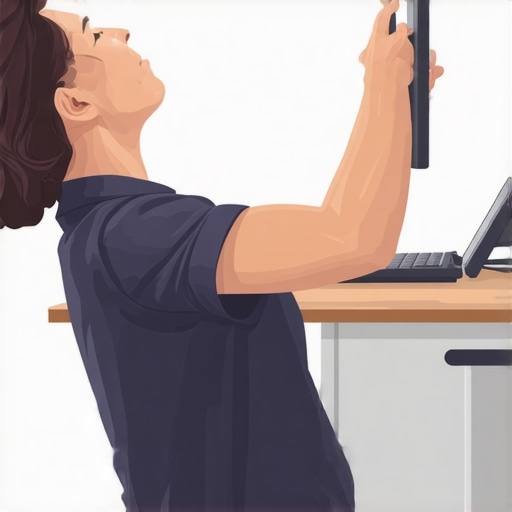
Sit upright and place your fingertips just below the shoulder blades. Take a deep breath and as you exhale, squeeze your shoulder blades together, imagining pinching a small object between them. Hold this contraction for about 3 seconds, then release. Repeat this process for about 10 seconds. Think of it like pulling a stubborn latch open; it re-engages the muscles to support proper posture.
Use the Chest Opener to Reverse Forward Slump
Next, extend your arms behind your back and clasp your hands together. Gently pull your shoulder blades downward and back, opening your chest. This movement encourages the muscles to switch from a contracted to a relaxed state. Doing this softly, like opening a window to let fresh air in, resets your upper body’s alignment and alleviates the fatigue from prolonged forward leaning.
Micro-Story
One afternoon, I caught myself slouching at my desk while deep into a project. Instead of reaching for an external fix, I performed this quick sequence. Initially, my shoulders felt tight, and I worried it wouldn’t help fast enough. But after 30 seconds, I noticed my mid-back tension easing. Instantly, I felt more upright, energized, and ready to tackle the next task. It was messy at first—my movements were rushed, and I struggled to coordinate the squeeze and release—but with practice, it became smooth and effective.
Maintain & Reinforce Good Posture
Integrate this reset into your routine every 30 minutes to prevent discomfort. Think of your muscles as a suspension bridge; regular tension releases are essential to keep it balanced. For persistent issues, consider consulting with a chiropractor who specializes in sports rehab or back pain relief, as they can offer personalized strategies to support your health. If you want to explore more about effective chiropractic techniques, visit this resource.
Remember, consistent little adjustments like this can drastically improve your comfort and prevent long-term pain. The key is to act quickly when tension starts building—your mid-back will thank you for it!
Many assume that chiropractic adjustments are a quick fix or a one-size-fits-all solution for back pain. However, in my experience working with athletes and clients, this perception misses critical nuances. A common myth is that a single adjustment can permanently correct structural issues. In reality, the effectiveness of chiropractic care hinges on understanding the complex interplay between neuromuscular patterns, lifestyle habits, and the body’s adaptive responses.
For instance, some practitioners focus solely on spinal manipulation without addressing underlying movement dysfunctions or compensatory patterns. This approach can lead to temporary relief but fails to produce long-term results. According to a 2018 study in the Journal of Manipulative and Physiological Therapeutics, combining adjustments with targeted rehabilitation exercises significantly enhances outcomes. Integrating soft tissue work, strength training, and postural education creates a more robust foundation for lasting pain relief.
Why Do Many Adjustments Fail to Sustain Relief?
One hidden mistake is neglecting the body’s motor control system. An adjustment can reset joint biomechanics, but if the nervous system continues to reinforce faulty movement patterns—say, due to poor ergonomics or habitual slouching—the pain will likely return. This is where strategic rehab and lifestyle modifications become essential.
Another overlooked factor is timing. Many patients seek an adjustment only after pain becomes severe. Yet, subtle imbalances and dysfunctional patterns often precede pain and can be addressed proactively. Regular, scheduled chiropractic evaluations combined with movement assessments can identify and correct these early signs, preventing chronic issues from developing.
How Can Advanced Practitioners Maximize Adjustment Benefits?
Advanced clinicians recognize that adjustments are just one piece of a comprehensive plan. They emphasize revolutionary rehab techniques that include neuromuscular re-education, movement optimization, and patient education. Such strategies ensure that the nervous system relearns proper patterns, reducing the risk of recurrence.
Moreover, understanding the body’s adaptive capacity allows for personalized care plans. This means tailoring interventions not just to the symptoms but to the specific biomechanical and neurological factors influencing each individual. This nuanced, multi-modal approach is crucial for long-term back health and injury prevention.
So, if you’ve been wary of chiropractic or rehab techniques because of past disappointments, remember that success lies in comprehensive, individualized care. If you’re interested in exploring advanced strategies that go beyond the quick fix, consider consulting with specialists who focus on evidence-based adjustments combined with personalized rehab. This approach can truly unlock sustainable back pain relief.
Have you ever fallen into this trap? Let me know in the comments. Better yet, reach out through our contact page to discuss your concerns and get tailored advice for your back health journey.
 Maintaining the gains from chiropractic adjustments and exercise routines requires the right tools and a strategic approach. Personally, I swear by targeted mobility devices like the Theracane, which allows me to reach those hard-to-access muscles in my back and shoulders. Using specific tools like foam rollers and lacrosse balls daily helps me keep tissue quality optimal, preventing tightness from creeping back in. For example, I incorporate a 5-minute foam rolling session before my workouts, which improves my flexibility and reduces post-exercise soreness. Moreover, tracking my progress with apps like MyFitnessPal or dedicated rehab software keeps me accountable and allows me to adjust my routines based on real-time feedback. These tools are invaluable for identifying early signs of tension or soreness, giving me time to address issues before they escalate. Looking to the future, I believe wearable tech such as smart posture correctors or biofeedback devices will become mainstream, providing real-time corrective prompts and personalized coaching to prevent injury before it happens. How do I maintain my back health over time? Incorporating consistent manual therapy, like scheduled chiropractic visits combined with home rehab routines, creates a synergy that sustains long-term results. Regular assessments and adjusting my routines based on how my body feels make all the difference. For those interested in advancing their rehabilitation, I recommend exploring strategies outlined in resources like this comprehensive guide. Start with a simple daily routine using a lacrosse ball to release persistent knots—it’s a small step that can make a significant difference in your long-term back health. Remember, proactive maintenance is key; don’t wait until pain strikes to act.
The Hardest Lesson I Learned About Self-Care and Chiropractic Strategies
One of the toughest truths I faced was realizing that passive treatments alone often don’t foster lasting recovery. Early in my journey, I believed that a single chiropractic adjustment could fix years of poor posture and muscle neglect. It wasn’t until I integrated targeted rehab routines and consistent self-maintenance that I experienced true progress. This taught me that empowering my body through continuous movement and mindful habits is essential for enduring back health.
Tools That Made All the Difference in My Back Wellness
Over time, I’ve come to trust certain tools for maintaining the gains from adjustments and exercises. Foam rollers became my go-to for releasing tension, especially after long sittings. The Theracane helped me reach those stubborn knots in my mid-back, making daily tissue care simple and effective. I also rely on biofeedback devices that remind me to correct my posture in real-time, preventing setbacks. These tools, combined with expert guidance, form my personalized back health toolkit.
Don’t Hesitate to Take Action Today
Improving your mid-back comfort and long-term back health is within reach—one small step at a time. Incorporate quick reset techniques into your routine, prioritize mobility, and seek professional advice when needed. Remember, your back doesn’t have to be a source of constant discomfort; with the right mindset and strategies, you can reclaim your mobility and confidence. Your journey starts now, and each mindful move brings you closer to a pain-free life.
What’s the first small change you’ll try today to support your back health? Share your plan below and let’s encourage each other on this path to wellness.
,