
Have you ever felt your muscles tighten up just before a workout, and then wonder why your overhead press feels stubbornly difficult, even after months of lifting? That frustrating pinch or tightness in your calves might seem insignificant — a minor inconvenience, maybe even normal. But trust me, I’ve been there. One day, I finally realized that my calves were pulling strings far beyond my ankles, silently sabotaging my shoulder gains and messing with my posture. It was a lightbulb moment—one that changed everything.
How Tight Calves Can Steal Your Strength and Progress
When I first started noticing my overhead press wasn’t improving, I chalked it up to a weakness in my shoulders or perhaps poor technique. But after a few failed attempts and some digging, I discovered a hidden culprit: my calves. These muscles, though seemingly unrelated, play a pivotal role in maintaining proper posture and mobility during lifts. If they’re too tight, they restrict ankle mobility, which throws off your entire kinetic chain. Your body compensates by overworking other areas—mainly your lower back and shoulders—leading to inefficient movement and even pain over time.
Think about it: your ankles, calves, hips, and shoulders are all interconnected. When your calves are tight, they prevent you from achieving proper stance and stability, especially during overhead pressing. This lack of stability forces your body to recruit other muscles to compensate, often at the expense of your target muscles. Over time, this compensation not only hampers strength gains but can also cause nagging injuries.
In my own journey, I realized that addressing my calf tightness dramatically improved my overhead mobility and strength. That’s when I started exploring targeted stretching, myofascial releases, and mobility drills designed specifically for the calves. And let me tell you — the results were immediate and motivating!
Is this just another hype like ankle stretching guides?
Early in my learning, I made the mistake of solely focusing on my upper body, neglecting what was happening below the surface. I thought, “Calf tightness? That’s just genetics or tight shoes.” But I was wrong. Ignoring ankle mobility and calf flexibility is a common mistake among lifters and athletes alike, one that can undermine even the best training programs. If you’re skeptical, I get it. But the science aligns; restricted ankle mobility can lead to compensations that affect your entire movement pattern. Want to see real change? It starts with understanding and addressing these often-overlooked tight muscles.
If you’re tired of feeling stuck, inconsistent progress, or even discomfort during your lifts, it might be time to look at your calves. And guess what—there are simple, effective ways to loosen them up and regain control over your movement. Ready to explore what works? Let’s dive into some practical strategies that can transform your overhead press and overall performance.
!
Start with Targeted Foam Rolling
Use a foam roller to gently roll along your calves, focusing on tender spots. This self-myofascial release helps break down adhesions and increases blood flow, making muscles more pliable. Begin with 30 seconds per calf, maintaining steady pressure. I remember when I first tried this after a long day; the difference in calf flexibility was immediate, and I felt a noticeable ease in my ankle mobility during squats.
Incorporate Dynamic Calf Stretches
Next, perform dynamic stretches like alternating heel drops or calf raises on a step. Move smoothly through a full range of motion, holding at the top for a second. This mimics functional movement patterns, prepping your calves for more intense activity. I added these exercises before my overhead press sessions, and within a week, my ankle mobility improved, allowing better shoulder positioning.
Practice Static Stretching with Precision
Hold static stretches, such as calf wall stretches, for 30-60 seconds, ensuring you feel the stretch without pain. Focus on maintaining proper alignment—keep your heel flat and knee over your toes. Consistency is key, much like tuning a guitar; the more regularly you stretch, the more your muscles adapt and relax. Early on, I learned not to rush this step—failure to hold long enough meant limited gains.
Apply Consistent Mobility Drills
My favorite drill involves kneeling with toes tucked under and gently shifting your weight forward to stretch the calves and Achilles tendons. Do this for 15 repetitions, holding each position for 5 seconds. It’s like tuning a car’s suspension—you need to ensure all parts move freely for optimal performance. Over time, these small adjustments translated to massive improvements in overhead stability and strength.
Integrate Strengthening Exercises
Incorporate calf raises and eccentric loading exercises to strengthen and increase muscle elasticity. For eccentric loading, slowly lower yourself from a calf raise position over 3-5 seconds. This functional approach mimics real movement demands and boosts tissue resilience. When I added these to my routine, I noticed less calf fatigue and better ankle stability during overhead presses.
Consistency Transforms Outcomes
Stick with daily or every-other-day routines, and over just a few weeks, you’ll notice a marked improvement in mobility and strength. Think of it like building a bridge—small, consistent steps create a sturdy connection. Remember, patience and persistence are your best allies here. Incorporate these methods systematically, and enjoy the enhanced stability and power during your lifts.
For further insights on optimizing your recovery and performance, explore resources like chiropractic techniques for faster recovery and enhancing athletic performance with targeted chiropractic care. These strategies complement mobility work and can help address underlying issues affecting your calf flexibility.
 When it comes to spinal adjustments and sports rehabilitation, many people cling to misconceptions that can hinder their long-term recovery. A common myth is that a single adjustment can permanently correct complex issues. In reality, spinal health requires a comprehensive approach that includes targeted mobility, strengthening, and lifestyle modifications. Relying solely on adjustments without addressing underlying movement patterns often leads to temporary relief but not lasting change. According to a study in the *Journal of Orthopaedic & Sports Physical Therapy*, sustained improvement depends on an integrated rehab strategy rather than isolated adjustments.
Another nuance often overlooked is the misconception that adjustments are all about cracking bones and quick fixes. While some practitioners use high-velocity techniques that produce audible pops, research indicates that the benefits primarily come from restoring joint mobility, not the noise itself. This overemphasis on the audible crack can lead patients to believe that more aggressive cracking equals better results, which isn’t always true and can sometimes cause harm if performed improperly. For instance, excessive manipulation without proper assessment may aggravate tissues or lead to instability issues.
A critical mistake I frequently see in sports rehab is neglecting the nervous system’s role. Many practitioners focus solely on joints and muscles, forgetting that nerves serve as the communication highway for optimal movement and healing. Ignoring nerve mobility and function can leave residual issues unresolved, contributing to recurrent pain. Techniques like nerve gliding and tension release are essential for comprehensive care, as highlighted in the work of Dr. Michael Shacklock, who emphasizes the importance of neurodynamics in rehab.
What advanced factors should you consider beyond basic adjustments? In my experience, understanding the body’s compensatory patterns and tissue quality is crucial. For example, a patient with chronic back pain might have tight hip flexors or weak core muscles that perpetuate the problem, despite regular chiropractic visits. Addressing these nuances ensures that results are not just short-lived. This holistic perspective also involves educating patients on movement mechanics, posture, and load management.
Be cautious of the trap of treating symptoms in isolation. An adjustment might temporarily alleviate pain, but if underlying dysfunctions like poor mobility or muscular imbalances are ignored, issues are likely to recur. For a deeper dive into effective strategies that go beyond traditional chiropractic, explore how to revolutionize your rehab techniques for sustainable results.
In summary, the real nuance lies in recognizing that spinal health and injury recovery demand a multi-faceted, patient-specific approach. Simply cracking the back isn’t enough; understanding physiology, biomechanics, and nervous system interplay creates the foundation for lasting healing. Have you ever fallen into this trap? Let me know in the comments.
Maintaining your spine’s mobility, strength, and overall health over time requires more than just sporadic workouts or occasional chiropractic visits. Investing in the right tools and adopting consistent habits can make a significant difference in preserving your gains and preventing setbacks. In this section, I’ll share the precise equipment and methods I personally rely on to keep my back-functioning at its best, along with insights into where this trend in sports rehab and chiropractic care is heading.
Prioritize Self-Myofascial Release with Quality Foam Rollers
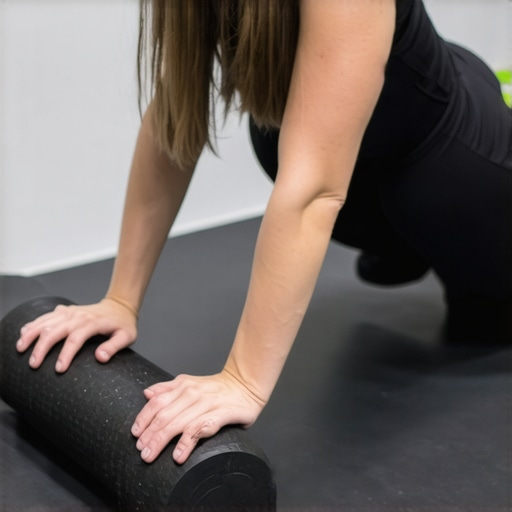
My go-to tool for daily maintenance is a high-density foam roller with a textured surface. I prefer models with pinpoint-specific ridges for targeted pressure, as they help break down adhesions in my calves and lower back muscles. Regular rolling on these areas enhances blood flow and maintains my muscle elasticity, crucial for long-term stability. I make it a point to integrate foam rolling into my morning routine, ensuring my tissues are ready for the day’s activity and reducing the risk of tightness and injury.
Embrace Advanced Mobility Tools
In addition to foam rollers, I incorporate resistance bands, particularly long looped bands, to perform dynamic stretches and joint mobilizations. These tools assist in preserving joint range of motion—especially in my hips and shoulders— and complement my chiropractic efforts. With consistent use, I notice a marked difference in how fluidly my body moves during heavier lifts or sports activities. A dedicated mobility flow using bands can prevent stiffening over time and helps me avoid that worrying ‘rusty’ feeling.
Leverage Chiropractic Software for Tracking Progress
To ensure my long-term results are sustainable, I rely on specialized tracking tools and software that records my mobility, strength, and pain levels over weeks and months. These platforms allow me to identify patterns and adapt my routines proactively. The future of sports rehab points toward integrated platforms that combine data from wearable devices and chiropractic assessments, offering more personalized and precise care plans. Staying ahead means embracing technology that provides real-time feedback and helps me maintain optimal tissue health.
How do I maintain lasting results over time? Get specific with your approach
Protection isn’t just about one-off measures; it’s about embedding consistent habits into your lifestyle. For example, after every intense workout or sports session, I dedicate five minutes to targeted stretching and foam rolling, especially in my calves and lower back. Additionally, I make recurring appointments with a knowledgeable chiropractor who emphasizes a comprehensive rehab strategy—rather than quick fixes—to address underlying movement patterns. Adopting such a multifaceted approach aligns with the latest research, which suggests that long-term success depends on sustained, personalized interventions. For more advanced strategies that complement mobility work, explore how to revolutionize your rehab techniques.
Remember, consistency is your best friend. Incorporate these tools into your routine, listen to your body’s signals, and commit to ongoing maintenance. Over time, you’ll build a resilient framework that not only prevents injuries but also enhances your overall performance. My challenge to you today: pick one tool or habit from this list—perhaps that textured foam roller or a mobility band—and integrate it into your daily routine. Experience the difference for yourself!

Imagine a compact, high-quality foam roller with textured ridges, designed to target deep fascia layers in the calves and lower back—this is my secret weapon for ongoing maintenance. Proper tool choice makes all the difference in sustaining mobility and strength over the long haul.
Lessons that Changed My Approach to Spinal Care
- More isn’t always better: I used to think frequent adjustments meant faster recovery, but I learned that consistency and addressing underlying habits trump quick fixes. Prioritizing continuous movement and mobility proved far more effective in my journey.
- Listening to the body matters: Ignoring small signs of discomfort led me astray. Tuning into nuanced sensations helped me tailor my care plan, emphasizing the importance of personalized strategies over generic routines.
- Holistic care is the real game changer: Beyond adjustments, integrating nutrition, posture awareness, and active rehab created sustainable improvements. This broader perspective unlocked the door to long-term spinal health.
- Education empowers you: Understanding the science behind adjustments and rehabilitation allowed me to make informed decisions, reducing dependency on temporary fixes and fostering independence.
- Patience pays off: Immediate relief can be tempting, but meaningful progress often unfolds gradually. Embracing patience cultivated resilience and set realistic expectations, leading to lasting results.
Tools and Resources That Made a Difference in My Recovery
- Motion Therapy Pro’s comprehensive guides: Their in-depth articles, like revolutionizing your rehab techniques, provided evidence-based insights that helped me understand the importance of integrated strategies.
- High-quality foam rollers with textured surfaces: Investing in these tools for my daily mobility routine enhanced tissue release and maintained flexibility, a simple step with a significant impact.
- Personalized tracking apps: Monitoring progress over time kept me motivated and allowed adjusting my routine based on real data, reinforcing consistency and tracking long-term benefits.
- Expert webinars and workshops: Engaging with professionals via focused chiropractic practices deepened my understanding of neurodynamics and the nervous system’s role in healing, pushing my recovery forward.
Step Into Your Healing Journey Today
Remember, real progress in adjustments, chiropractic, and back health isn’t a secret reserved for a few. It’s a personal journey that benefits immensely from consistent effort, curious learning, and trusting the process. Your body is resilient and adaptable—sometimes all it needs is a gentle nudge in the right direction. Are you ready to explore and implement new strategies that will transform your back health from the inside out? Let’s take that first step together, and I’d love to hear about your experiences or questions below.