
I remember vividly the moment I finally realized what was holding me back during my squat workouts. I had been struggling with depth, feeling like I was hitting a wall no matter how much I stretched or strengthened my hips and knees. Then, during a routine mobility check, I noticed my ankles simply wouldn’t move as freely as they should. That lightbulb moment changed everything. It wasn’t my hips or knees—it was my ankles.
Getting to the Root of Squat Depth Issues
For years, I hammered away at my squats, focusing on everything except one critical factor—ankle mobility. And guess what? Many of us do the same. We ignore those tricky little ankles, assuming they’re fine because we don’t trip or sprain them regularly. But the truth is, limited ankle flexibility can be the silent culprit sabotaging your deepest squat attempts. When your ankles can’t dorsiflex properly, your body compensates by leaning forward or rounding the back—bad habits that lead to pain and inefficient movement.
Now, I want to guide you through what I’ve learned from personal experience and professional insights. Together, we’ll identify whether ankle mobility is the missing link in your squat performance and how addressing it can unlock your full range of motion. There’s no reason to continue feeling frustrated when so much of the solution is surprisingly simple.
Is your skepticism holding you back from believing ankle mobility is that important?
I used to dismiss my ankles’ role, brushing off the idea that they could be the problem. A mistake I made early on was focusing solely on hip flexibility, neglecting the ankles entirely. That oversight kept my progress stagnant. Once I started paying attention to ankle mobility, my squat depth improved dramatically. If you’ve been stuck, it might be time to consider that your ankle flexibility is the missing piece. Discover how [chiropractic care](https://motiontherapypro.com/the-role-of-chiropractic-care-in-effective-sports-injury-recovery) can help improve mobility and reduce compensation patterns.
Assess Your Current Mobility
Start by evaluating your ankle flexibility. Sit on the floor with your legs extended and try to flex your foot upward, aiming to bring your toes closer to your shin. If you notice significant resistance or can’t reach, it signals limited dorsiflexion.
Perform a Simple Test
Place your foot a few inches from a wall and, keeping your heel flat, try to touch your knee to the wall without your heel lifting. If you can’t, your ankle mobility needs work. I remember struggling with this test initially, fumbling and feeling frustrated, but persistence paid off.
Incorporate Targeted Stretching
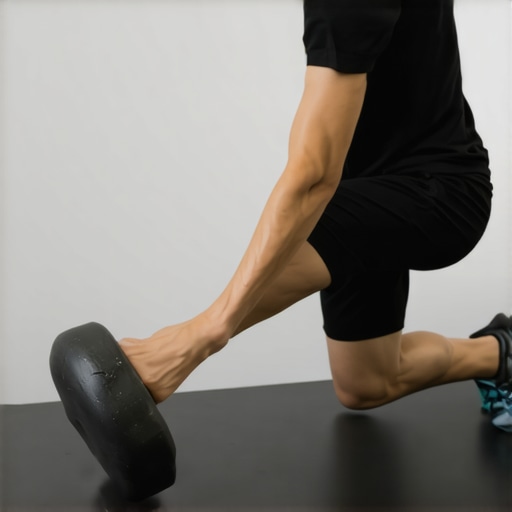
Stretch the calves and Achilles tendon daily. One effective move I used involved standing in a staggered lunge with your back leg straight and heel grounded, then gently leaning forward to feel a stretch in the calf. Repeating this for 30 seconds each side gradually improved my dorsiflexion.
Use Foam Rollers and Trigger Point Therapy
Applying pressure to the calves with a foam roller breaks down scar tissue and adhesions, restoring tissue elasticity. I found that foam rolling after workouts made a noticeable difference in my ankle movement and squat depth, especially when combined with stretching.
Implement Ankle-Specific Mobility Drills
Deepen your mobility with exercises like ankle circles and dorsiflexion lunges. For example, in a controlled lunge position, keep your heel flat on the ground and gently push your knee forward past your toes, maintaining balance. During one session, I added these drills into my routine and saw my squat depth increase within a week.
Perform Repeated Dorsiflexion Movements
Back and forth repetitions, such as rocking your knee over your toes while keeping your heel down, help train your ankle to dorsiflex better. Consistency here is key. I struggled at first, but with daily practice, my ankles became more flexible, and my squat form improved significantly.
Seek Professional Assistance When Needed
If your mobility remains poor despite these efforts, consulting a chiropractor or sports rehab specialist can be invaluable. They may use manual techniques or adjustments to unlock restricted joints and tissues. During my first visit to a sports chiropractor, I experienced immediate relief, which made me more confident in tackling my mobility issues.
Combine Adjustments with Self-Care
Chiropractic adjustments, when combined with daily mobility exercises, promote long-term improvements. To ensure sustained progress, incorporate regular mobility work and maintain tissue health through foam rolling and stretching. This integrated approach helped me push through plateaus and squat deeper with proper form.
 Many individuals assume that chiropractic adjustments are a quick fix for back pain, but this isn’t entirely accurate. A common misconception is that a single adjustment provides permanent relief; in reality, effective long-term results often require a strategic, individualized plan that addresses underlying movement patterns and tissue health. Overlooking this nuance can lead to temporary pain relief but persistent issues down the line. Scientifically, research like the 2018 study published in the Journal of Manipulative and Physiological Therapeutics emphasizes that combining adjustments with targeted rehabilitation yields better outcomes than adjustments alone. Additionally, a prevalent myth is that all chiropractors are the same, but expertise varies, especially when it comes to complex cases involving biomechanics and tissue mobility.
Beware of the trap of relying solely on passive treatments. While chiropractor-led adjustments can unlock restricted joints, neglecting active therapies such as specific strengthening and mobility exercises risks reinjury or relapse. For instance, integrating evidence-based strategies like those outlined in our article on [restoring spinal health](https://motiontherapypro.com/revolutionize-your-rehab-chiropractic-techniques-for-faster-recovery) can optimize recovery.
Why do some adjustments ‘stick’ while others don’t? The answer lies in understanding that the nervous system adapts to movement patterns over time. Without addressing contributing factors like muscular imbalances, postural habits, or tissue restrictions, adjustments may only offer temporary relief. This is why a comprehensive approach is essential. For a deeper dive into how advanced chiropractic techniques promote lasting change, check out [this resource](https://motiontherapypro.com/strategic-chiropractic-solutions-for-long-term-back-health).
Another nuance often missed involves the role of soft tissue work in conjunction with joint manipulation. Techniques such as myofascial release and active release therapy complement adjustments by improving tissue quality and reducing compensatory patterns. Integrating these approaches can speed up recovery and prevent future setbacks.
In conclusion, understanding the complexities behind back pain treatment goes beyond the surface. It requires recognizing that chiropractic care is most effective when combined with targeted, personalized strategies that address the root causes—be it mobility restrictions, muscular imbalances, or movement habits. Being aware of these subtleties can save you time, money, and effort in your journey towards optimal spinal health.
Have you ever fallen into this trap? Let me know in the comments.Maintaining your back health over time requires the right tools and consistent strategies. Personally, I’ve found that integrating evidence-based techniques like foam rollers and specific chiropractic adjustments makes a significant difference. Foam rollers, for instance, target mytraps and calves effectively, breaking down tissue adhesions and promoting better mobility—essential for preventing long-term stiffness. I use a 36-inch textured foam roller for versatility and durability, especially after intense training sessions, to maintain tissue pliability. Besides self-care tools, scheduling periodic professional evaluations ensures that imbalances or restrictions don’t develop into chronic issues. Regular chiropractic sessions, combined with targeted exercises, help me stay aligned and reinforce good movement patterns.
Throughout my journey to improve squat depth, I learned that humility and curiosity are essential. The hardest lesson I discovered was that sometimes, the smallest joints make the biggest difference. Ignoring ankle mobility only delayed my progress further, reinforcing the importance of comprehensive movement assessments. This realization pushed me to adopt targeted mobility and professional interventions, transforming my approach and results.
Another insight was understanding that mobility isn’t a one-and-done fix. Consistent daily habits—like calf stretching and tissue work—compound over time, creating lasting change. Patience and persistence in addressing ankle restrictions proved more effective than endless repetitions of improper squats. It’s a reminder that effective progress often stems from addressing foundational issues others overlook.
Lastly, I grasped that expert guidance accelerates recovery and mastery. Collaborating with a qualified chiropractor or sports rehab specialist allows for tailored strategies that complement self-care routines. Never underestimate the power of professional insight in navigating tricky mobility hurdles; their expertise can be the catalyst for unlocking your full squat potential.