
It was a Saturday morning when I finally realized I couldn’t ignore that sharp, stabbing pain shooting through my lower back anymore. I was just trying to bend down to pick up my kid’s soccer shoes, and suddenly, my back clenched like a vice grip. That was the lightbulb moment—I was doing my hip hinge wrong, and it was wreaking havoc on my spine. If you’ve ever had that jarring jolt or persistent ache right where your low back meets your hips, you’re not alone. Many folks unknowingly make simple mistakes during fundamental movements, turning what should be routine into a source of pain and frustration.
Why Correct Hip Hinge Technique Is a Game Changer for Back Health
Let’s be honest—lifting, bending, or even squatting can seem straightforward until your back starts to protest. The hip hinge is a movement I now teach to everyone who asks me about lower back pain, because it’s the foundation of a safe and efficient way to lift and move. Done improperly, it can strain your lumbar spine, irritate your discs, and lead to those dreaded sharp stabbing sensations or lingering aches.
My mistake early on was thinking I could just bend at the hips like I saw others do in the gym or in workout tutorials. It wasn’t until I paid close attention to my own form, and learned to activate my glutes properly, that I noticed a difference. You might be surprised how many people overlook the importance of a controlled hip hinge. Proper technique makes a huge difference—not only in avoiding injury but also in enhancing performance and daily function. If you’ve felt your lower back tighten or flare up after activities like lifting groceries or a workout, understanding and mastering the hip hinge can be transformative. Proper guidance can be found in resources like targeted chiropractic care for athletes that emphasizes movement quality as part of injury prevention.
Now, here comes the real question: Are you making any of these common hip hinge mistakes that could be secretly sabotaging your back? Stay tuned, because I’ll walk you through exactly what to watch out for and how to fix it—so you can move freely without that ominous warning sign of pain knocking at your door.
Find Your Neutral Spine Position
Start by standing against a wall with your heels, hips, and shoulders touching. Slowly arch your lower back slightly away from the wall and then gently flatten it, finding a comfortable, natural curve—this is your neutral spine. I remember one session where I struggled to identify this position, wobbling as I tried to maintain the alignment. Practicing this helps you control your back during movements, preventing unwanted strain.
Master the Hip Hinge Movement
Set Up with Proper Stance
Stand with feet shoulder-width apart, toes pointed slightly outward. Engage your core muscles—think of drawing your belly button toward your spine—to stabilize your trunk. Remember, a stable core is like the foundation of a building; without it, everything else can crumble, especially when lifting or bending.
Initiate the Motion from Your Hips
Push your hips back as if trying to close a car door with your butt. Keep your spine long and chest up—avoid rounding your back or looking down. I once tried to bend forward quickly, forgetting to push my hips back first, which led to a sharp twinge. Take it slow; control is key.
Maintain the Knee Position
Keep a gentle bend in your knees—think of them as hinges rather than fully straightening or collapsing them. This prevents overloading your lumbar spine and shifts the force to your hips and glutes, which are much stronger and better suited for this action. During a demo, I noticed that locking my knees caused my back to curve improperly; adjusting this made a noticeable difference.
Activate Your Glutes to Support Your Spine
Squeeze your buttocks at the top of the movement. Glute activation is like turning on a stabilizer—it’s crucial for protecting your lower back. I remember during one practice, simply contracting my glutes at the top reduced residual tension in my lumbar region, reinforcing the importance of this step.
Use Controlled Movements
The key to a safe hip hinge is slow, deliberate motion. Avoid rushing or jerking. Think of it as closing a delicate door—slow, steady pressure ensures it closes properly without damaging hinges. During my early attempts, I was too quick, which made my back feel strained; slowing down allowed for better control and safety.
Apply the Technique During Daily Tasks
Once comfortable with the movement, integrate it into everyday routines—lifting groceries, bending to tie shoes, or picking up kids. For example, when I had to lift a box off the floor, I used the hip hinge instead of a squat, reducing my back strain and making the task easier. Practicing in real-life scenarios cements the correct form and builds muscle memory.
Seek Professional Guidance When Needed
If you’re unsure about your form or experiencing persistent discomfort, visiting a chiropractor who understands movement patterns can be invaluable. They can perform targeted chiropractic adjustments and guide you through personalized corrective exercises, accelerating your progress.
Assess Your Progress and Make Adjustments
Regularly check in with your technique—mirror cues or record yourself performing the movement. Small tweaks can lead to big improvements. For instance, I noticed that leaning my torso too far forward caused back tension; adjusting my hip movement and engaging my core helped correct that issue.
Building mastery over the hip hinge takes patience and consistency. Incorporating these concrete steps into your routine will help safeguard your back, whether you’re lifting heavy objects or simply moving through daily life. Remember, the goal is moving smarter, not harder, to ensure your back stays healthy and pain-free.
Many people believe that a quick chiropractic adjustment is a magic fix for chronic back pain, but in my experience, this simplistic view often overlooks critical nuances essential for lasting recovery. It’s a common misconception that once your spine is ‘aligned,’ the pain will disappear permanently; however, research shows that sustained relief usually requires a comprehensive approach that addresses movement patterns, muscle imbalances, and lifestyle factors (science behind chiropractic adjustments). One overlooked aspect is that adjustments alone may not correct underlying dysfunctional movement mechanics, which are often the root cause of recurring pain. For example, poor hip mobility or faulty core stabilization can persist even after optimal spinal adjustments, leading to the infamous cycle of pain and relief. Many practitioners focus on symptom suppression rather than restoring functional movement—this is a trap that many fall into. Instead, integrating targeted rehab exercises with professional interventions can accelerate healing and prevent future episodes. Some clinics claim that chiropractic care can replace physical therapy or strength training, but evidence suggests otherwise; combining these modalities produces better outcomes (combo approach). Another misconception involves ‘getting adjusted’ too frequently; over-reliance on adjustments without addressing movement habits can lead to dependency and limited results (adjustment dependency). Instead, focus on empowering yourself with actionable strategies—like proper hip hinges and core stabilization—that you can maintain independently.
What advanced factors influence the longevity of back pain relief?
An often-ignored nuance pertains to how proprioception and neuromuscular control play roles in spinal health. Improving awareness of movement patterns ensures that corrective strategies stick beyond the clinic. For instance, integrating proprioceptive drills during rehab ensures that muscles respond appropriately during daily activities, reducing the risk of reinjury. My advice is to view chiropractic and rehab as complementary components of a broader, movement-focused strategy rather than standalone fixes. For example, seeking expert guidance on enhancing athletic performance can reveal subtle deficits in stability that perpetuate pain cycles.
Lastly, beware of quick-fix myths like the idea that stretching alone heals back pain. While flexibility is important, it must be paired with strength and stability training to address the complex interplay of muscle groups supporting your spine. As noted by researchers, a balanced approach that targets movement quality is key to long-term health (movement quality and spinal health).
Have you ever fallen into this trap? Let me know in the comments.
Maintaining the progress you achieve during sports rehab and chiropractic treatments requires consistent effort and the right tools. Personally, I rely heavily on a combination of biomechanical assessments and specialized equipment to keep my back in check. One of my go-to tools is a high-quality foam roller, specifically designed to target deep muscle tissues and release chronic tension. Unlike standard foam rollers, I use a dense, slightly textured variant that allows me to apply targeted pressure on my psoas and quadratus lumborum, areas prone to tightness after long periods of inactivity or sitting. 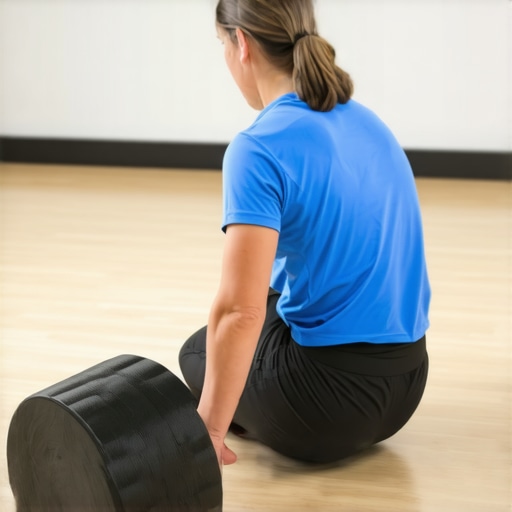
Stick to a Customized Maintenance Routine
Integrating a short, daily mobility routine focusing on hip hinge drills, core activation, and diaphragmatic breathing ensures your back remains resilient. I incorporate exercises like the 30-second hip opener and deep breathing patterns, which have proven effective in maintaining spinal neutrality. Over time, these habits promote neuromuscular control and proprioception, essential for long-term stability, as discussed in targeted chiropractic care for athletes.
Use Technology for Self-Monitoring
Modern apps and wearables, such as posture correction devices and movement tracking software, help me identify deviations from proper alignment. For example, I use a smartphone app that provides feedback on my sitting posture during work hours, ensuring I do not revert back to habits that provoke pain or stiffness. Future trends show increasing integration of AI-powered motion analysis, making self-maintenance more accessible and precise—an exciting prospect for those committed to long-term back health.
Schedule Regular Professional Tune-Ups
Even with diligent self-care, periodic check-ins with a chiropractor or physical therapist are crucial. They can perform refined adjustments, restore proper movement mechanics, and guide necessary modifications to your routine. In fact, strategic chiropractic solutions emphasize that ongoing professional support complements self-maintenance perfectly. I personally schedule bi-monthly assessments to keep my back functioning optimally and nip potential issues in the bud.
Predicting the Future of Back Maintenance
The future likely holds smarter, wearable technology capable of continuous biomechanical monitoring, coupled with personalized AI-driven recommendations. This evolution will make sustained back health more proactive, rather than reactive—the ultimate goal for anyone concerned with long-term mobility and comfort.
How do I keep my back healthy long-term?
The key is a blend of effective tools and consistent habits. Incorporate specific trigger point release techniques, like using a lacrosse ball on tight areas, and stay disciplined with your daily movement routine. Remember, the most meaningful progress comes from regular monitoring and professional evaluations that adapt as your body changes. For a comprehensive approach, check out this expert guide that expands on combining adjustments with movement therapy. Why not try integrating a targeted foam rolling sequence tonight? It’s a simple yet powerful step to reinforce your long-term wellness journey.
What I Wish I Knew When I Started Fighting Back Pain
This journey taught me that even professionals are always learning—my biggest lightbulb moment was realizing that mastering simple movement patterns like the hip hinge can prevent years of unnecessary suffering. I learned that addressing muscle imbalances and neuromuscular control is as critical as getting adjustments, a fact many overlook. Additionally, I discovered that technology, such as proprioceptive and posture correction tools, can empower you to take control of your spinal health daily. And perhaps most importantly, I found that patience and consistency outperform quick fixes—long-term change requires nurturing your body’s movement intelligence over time.
Tools and Resources That Changed My Approach to Back Health
One book that reshaped my understanding of back care is Becoming a Supple Leopard by Kelly Starrett—its emphasis on movement quality and self-myofascial release tools like foam rollers was a game-changer. I also trust targeted chiropractic care for athletes because integrates movement assessment with spinal adjustments, offering a comprehensive approach. For tracking my progress and ensuring my posture stays optimal throughout the day, I use posture correction apps recommended by top physiotherapists. Lastly, consulting with specialists who understand the biomechanics of your body prevents stagnation, keeping your journey dynamic and personalized.