
There was a morning I’ll never forget—suddenly, a sharp, stabbing pain shot through my hip as I took my first step out of bed. It was a jarring wake-up call to how little I’d paid attention to my walking pattern, and I realized that my stride was contributing more to my hip issues than I’d ever imagined. That lightbulb moment changed everything for me.
Why Your Walking Style Could Be Sabotaging Your Hip Health
If you’ve ever felt that nagging ache after a long walk or a sudden twinge that makes you hesitant before moving, you’re not alone. Our daily gait—the way we walk—might seem too mundane to consider, but it’s a critical factor in maintaining healthy hips and preventing discomfort. Over time, poorly aligned or uneven strides can lead to overuse, joint wear, and even chronic pain.
Based on my personal experience and professional insights, I learned that small adjustments in how I walk could significantly reduce stress on my hips. The key is recognizing that our habitual walking pattern influences everything from joint health to muscle balance. In fact, studies show that correcting gait habits can alleviate pain and improve mobility, making an active life more sustainable. For example, proper walking mechanics can help avoid common issues like hip bursitis or labral tears.
Is Fixing Your Stride Worth the Effort? My Biggest Mistake
Early on, I made a classic mistake—ignoring the warning signs and thinking resting would solve everything. Instead, I continued my routine without paying attention to my gait. It wasn’t until I felt a persistent ache that I sought professional help. Trust me, I wish I’d addressed my walking habits sooner, because making that initial change was a game-changer. If you’re wondering whether your walking style is doing more harm than good, it’s worth questioning—are you compensating with other muscles or movements? My advice is to start by observing your gait and consulting with a specialist to see if adjustments can benefit your hips.
Want to learn how to get your stride back on track? We’ll explore practical tips for improving your walking mechanics and protecting your hips in the next sections. If you’re tired of dealing with hip pain or just want to prevent it from happening, stay tuned. The journey to better movement starts with recognizing the problem, and I’ll show you how to make those simple but impactful changes.
,
Check Your Walking Posture Regularly
Start by observing how you walk. Use a mirror or record yourself during a casual stroll. Notice if one hip swings more or if your stride feels uneven. I remember once filming myself on a lazy Sunday—my right hip was clearly lagging behind, which probably contributed to my persistent discomfort. Recognizing this imbalance was the first step toward correction.
Implement Habitual Alignment Drills
Incorporate simple exercises that promote proper alignment, like pelvic tilts or hip slides. I added a 2-minute routine of hip bridges every morning, which helped me become more aware of engaging my glutes correctly. These micro-movements train your body to adopt healthier walking patterns over time.
Focus on Controlling Your Step Length
Avoid overstriding, which often causes excessive hip rotation and stress. Instead, aim for a comfortable, moderate stride—imagine you’re gently rolling your foot from heel to toe, distributing weight evenly. Once, during a walk in the park, I consciously shortened my steps and felt an immediate reduction in hip tension.
Engage Core Muscles During Movement
Your core acts as a stabilizer. When I consciously tightened my abdominal muscles during walking—similar to bracing for a gentle punch—I maintained better pelvic alignment. This action prevents your hips from tipping or twisting unnecessarily, safeguarding joint integrity. For more guidance, consider exploring strategic chiropractic solutions.
Use Proper Footwear and Orthotics
Worn-out shoes or improper support can alter your gait. I recommend switching to shoes that offer firm arch support and cushioning. And if needed, custom orthotics can correct underlying imbalances, as discussed in this guide. I once tried minimalist shoes, which initially worsened my hip pain, but switching to stability shoes brought relief.
Progress with Gentle Gait Re-education
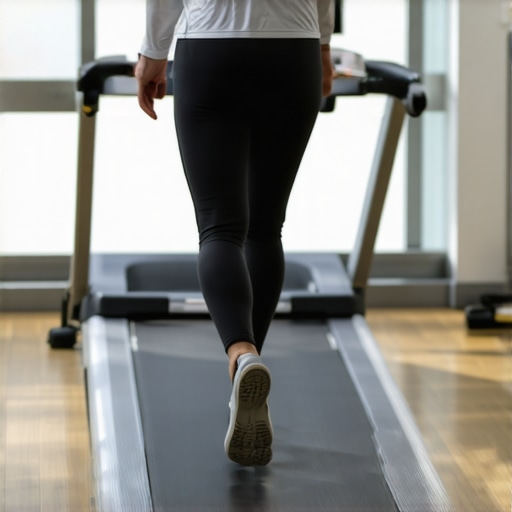
Implement slow, deliberate walks focusing on form. Walk in a controlled manner, paying attention to arm swing, foot placement, and torso orientation. I started practicing on a treadmill at a slow pace, consciously correcting my posture with each step. Over a few weeks, this micro-adjustment contributed significantly to hip pain reduction.
Seek Professional Guidance for Fine-Tuning
Consult a chiropractor or physical therapist who specializes in gait analysis. They can identify subtle misalignments or compensations. I once worked with a specialist who used video gait analysis, which uncovered slight internal rotation issues I was unaware of. Their targeted adjustments improved my walking mechanics drastically and prevented further injuries. For tailored care, visit our contact page.
Incorporate Strengthening and Flexibility Routines
Strengthen hip abductors and flexors with exercises like side leg raises or lunges. Flexibility is equally key—regular stretching of hamstrings and hip flexors prevents tightness that can skew your gait. I added a stretching routine targeting these muscles, which made each step feel more effortless and reduced strain on my hips. Explore comprehensive tips at this resource.
Maintain Consistency and Adjust Over Time
Gait correction isn’t a one-and-done fix; it demands ongoing attention. Track your progress, tweak your routines, and stay mindful during daily walks. After several weeks of consistent effort, I noticed my stride became more natural, and my hip discomfort subsided. Remember, small, persistent changes pay off in long-term hip health.
 Many individuals approach chiropractic care and back pain treatment with a simplistic mindset, assuming that adjustments alone are the magic solution. However, this misconception can lead to missed opportunities for true healing. **Contrary to popular belief, not all chiropractic adjustments are created equal**; their effectiveness depends on precise techniques, patient-specific factors, and integration with broader rehabilitation strategies. For instance, a common myth is that cracking joints is the primary goal, but in reality, targeted adjustments aim to restore proper spinal biomechanics, which is supported by research such as the study on the science behind chiropractic adjustments for back pain relief.
One trap I urge you to avoid is **over-reliance on passive treatments** while neglecting active participation—like strengthening and flexibility routines—that are essential for long-term relief. It’s easy to fall into the trap of thinking adjustments alone will fix everything, but without addressing underlying imbalances, the issue often recurs.
**Ever wondered why some patients regain function quickly while others plateau?** The answer often lies in the subtle nuances of how adjustments are performed and integrated with personalized rehab programs. Skilled practitioners tailor their techniques based on biomechanical assessments, ensuring corrections address **root causes, not just symptoms**. This holistic approach aligns with insights from experts who emphasize the importance of combining chiropractic care with targeted strengthening, mobility work, and lifestyle modifications.
Furthermore, advanced patients and practitioners are increasingly aware of the importance of **neuromuscular re-education**—training the nervous system to adopt healthier movement patterns. This process involves more than just spinal adjustments; it requires a nuanced understanding of how muscle activation, proprioception, and movement efficiency interact. For example, correcting hip or pelvic imbalances can dramatically influence back health and athletic performance, as detailed in articles on enhancing athletic outcomes with chiropractic strategies.
In my experience, one of the most overlooked nuances is how **initial assessments and ongoing monitoring** drastically improve outcomes. Precise evaluation techniques, including gait analysis and postural assessments, help identify hidden contributors to pain that are often missed by a cursory exam. These insights make adjustments more effective and sustainable.
It’s also critical to recognize that **exercise and lifestyle choices** profoundly impact recovery. Simple changes—like improving ergonomics, strengthening core muscles, or addressing tight calves—can complement chiropractic treatments, reducing recurrence risk.
**Don’t fall into the trap of thinking that adjustments are a quick fix**. For sustained relief, a comprehensive approach that addresses biomechanics, neuromuscular control, and lifestyle is key. As I always recommend, engaging with professionals who understand these nuances can profoundly improve your results. To learn more about how chiropractic care can be integrated into your recovery, explore [strategic chiropractic solutions for long-term back health](https://motiontherapypro.com/strategic-chiropractic-solutions-for-long-term-back-health).
Have you ever fallen into this trap? Let me know in the comments.
Keep Your Gains With the Right Tools
Achieving improvements in chiropractic care, back pain management, or sports rehab is just the beginning. To sustain these results, you need effective tools and consistent routines. First, I swear by high-density foam rollers for my daily myofascial release; they’re excellent for releasing tight muscles and improving mobility between treatments. I personally prefer the circular foam rolling technique because it enhances tissue elasticity and prevents adhesion buildup, which can negate progress.
Secondly, investing in a lacrosse ball has been indispensable for targeting hard-to-reach muscle knots, especially in the psoas and glutes. Regularly using it, as detailed in this guide, has helped me maintain flexibility and avoid recurring pain. These tools complement chiropractic adjustments, ensuring that the benefits last longer and that muscles stay balanced.
How do I keep my improvements consistent over time?
Consistency is key. I recommend integrating a simple daily mobility routine involving shoulder rolls, hip openers, and deep diaphragmatic breathing exercises. Using stability tools like balance discs or wobble boards during core routines has really amplified my neuromuscular control, aligning with the principles discussed in this article. These exercises not only reinforce proper movement patterns but also prepare your body to withstand daily stresses and prevent setbacks.
The trend toward digital monitoring is about to revolutionize long-term care
Emerging technologies like wearable sensors and movement tracking apps are transforming long-term maintenance. Personally, I use a posture correction app that provides real-time feedback on my spinal alignment, helping me identify poor habits before they cause pain. The future of long-term care lies in personalized data-driven strategies, allowing for tailored adjustments based on daily activity patterns and biomechanical shifts. Staying ahead involves embracing these innovations, ensuring your maintenance routines evolve with your body’s needs.
What strategies can help you sustain your mobility improvements?
Besides using the right tools, focus on maintaining a balanced lifestyle. Incorporate ergonomic assessments at work, stay hydrated, and avoid prolonged periods of inactivity. For instance, periodic stretching and mobility checks—similar to this quick morning routine—keep muscles engaged and prevent stiffness. Remember, progress in back health and athletic performance relies heavily on ongoing engagement and adaptation.
To truly lock in your gains, consider scheduling periodic check-ins with a chiropractor who specializes in long-term maintenance. They can fine-tune your routines and incorporate new strategies as your needs change. Embrace these advanced methods—like integrating mobile health tech and personalized routines—to ensure your body stays resilient and pain-free for years to come. Give this proactive approach a try today by starting with a simple mobility check using your smartphone, and watch how quickly your quality of movement improves!
Throughout my years working with clients on hip health, I’ve realized that one of the most underestimated lessons is the power of small, intentional decisions. Sometimes, the key to lasting relief isn’t found in a sudden fix but in those quiet, daily choices we make—whether to stay mindful of our gait, embrace proper footwear, or commit to consistent strengthening routines. These seemingly minor shifts can unlock profound changes that transform pain into movement vitality.
Lessons Rarely Shared About Genuine Hip Recovery
- The importance of patience over quick fixes: I used to believe that immediate results signified progress, but I learned that sustainable change demands persistence and gradual adjustments, especially in gait re-education.
- The subtle art of listening to your body’s whispers: Many overlook early signs of imbalance, but paying attention to minor discomforts can prevent major setbacks. Recognizing these signals early allows proactive steps before pain becomes ingrained.
- Real progress combines education with action: Understanding your movement patterns is vital, but translating that knowledge into consistent habits—like targeted exercises and mindful walking—makes all the difference.
- The overlooked role of everyday gadgets and footwear: Daily choices in footwear and posture tools subtly influence hip health, often in ways we don’t realize until discomfort arises.
- Collaborating with specialists unlocks deeper insights: Working with professionals trained in gait analysis or biomechanics revealed hidden contributors to my clients’ pain, accelerating recovery beyond generic treatments.
My Go-To Arsenal for Maintaining Hip Openness
- Foam rollers with dense textures: They help release tight muscles, especially in the hips and thighs—I’ve found the circular rolling technique particularly effective for long-lasting relief.
- Lacrosse balls for pinpoint fascia release: Targeting stubborn knots in muscles like your psoas or glutes can unlock range of motion and ease chronic pain.
- Guided instructional videos from trusted sources: Resources that demystify proper technique have saved me numerous times from improper habits that could worsen issues.
- Smart posture monitoring apps: Real-time feedback keeps me accountable and fast-tracks adjustments during daily activities.
Your Next Step Could Transform Your Movement
The road to pain-free hips is ongoing, but your proactive steps matter immensely. Imagine waking up with a renewed ease, confidently engaging in activities you love—and realizing these changes stem from simple, consistent habits. Whether it’s integrating effective tools, embracing mindful movements, or collaborating with specialists, every action compounds into sustained vitality. Now is the perfect moment to commit to your mobility journey.
What small change are you willing to start today that could improve your hip health? Share your thoughts below—let’s grow stronger together!