
Have you ever kicked up into a handstand, only to wobble, compensate, or worst of all, feel that horrible twinge in your shoulder that makes you question if you’ll ever master the pose? I sure have. There was that frustrating moment where my arms felt like noodles, and my confidence took a hit. It wasn’t until I had a lightbulb moment during my own training that I realized the common culprit: shoulder instability. That nagging, uncooperative shoulder joint was silently sabotaging my handstand efforts.
Today, I want to share how focusing on a specific shoulder stability drill transformed my practice—and can do the same for you. We’ll tackle that persistent wobble and build a sturdy foundation to hold your handstand longer and more confidently. This isn’t just about aesthetics; it’s about safety, efficiency, and understanding your body better.
Why Shoulder Stability Matters for Handstands
The shoulder joint is one of the most complex and mobile joints in your body. While that flexibility is impressive, it also makes it prone to instability if not properly supported. Without a solid shoulder stabilization, your handstand becomes a dance of balance rather than a display of strength. You might find yourself over-recruiting your neck or lower back muscles to compensate, which can lead to strain or injuries over time.
I used to think that just building arm strength was enough. Boy, was I wrong. Early in my journey, I made the mistake of neglecting shoulder stability, and it reflected in my shaky, unsteady handstands. This is a common mistake among many practitioners. Improving shoulder stabilization wasn’t just a quick fix—it required dedicated drills that target the deep muscles supporting the joint, like the rotator cuff muscles and scapular stabilizers.
Research supports this approach. A study published in the Journal of Orthopaedic & Sports Physical Therapy notes that targeted shoulder muscle training can significantly improve joint stability, reducing injury risk and enhancing performance. It’s a game-changer, and I promise it can be for you too.
Ready to move beyond the frustration and unlock a steady, confident handstand? Then let’s explore a simple, effective drill that made all the difference in my practice—and it can do the same for you. But first, let me address the big question that might be running through your mind.
Does shoulder stability training actually make a difference in handstand mastery?
Honestly, I was skeptical at first. I figured I’d just need more arm strength or wrist flexibility. However, once I started focusing on my shoulder stability with intentional drills—like scapular push-ups and rotator cuff exercises—I noticed immediate improvements. My wobbling decreased, and I felt more control over my handstand. If you’ve been struggling despite consistent practice, this could be the missing piece. To learn more about how improved joint stability affects your overall athletic performance, check out this article on targeted chiropractic care.
In the upcoming sections, I’ll guide you through a shoulder stability drill that’s simple yet powerful. Get ready to hold yourself up with confidence—and finally nail that handstand!
,
Engage the Deep Stabilizers First
Start with scapular push-ups. Position yourself in a plank, keep your arms straight, and focus on moving your shoulder blades together and apart like a trampoline. Perform 3 sets of 10 reps, controlling your movement. I remember my first attempt; the motion felt awkward, like trying to stretch a stubborn rubber band. Despite that, I persisted, and over a week, I noticed my shoulders felt more connected and supportive, reducing wobbling during handstands.
Implement Rotator Cuff Exercises
Use a resistance band for external and internal rotations. Attach the band at waist height, stand perpendicular, and keep your elbow close to your side, rotating your arm outward and inward. Do 3 sets of 12 reps on each side. Initially, my shoulder felt tight and unstable—like a loose bolt—making my handstand shaky. Consistent rotation exercises tightened that bolt, providing a stable foundation.
Strengthen the Scapular Stabilizers
Perform prone Y and T raises. Lie face down, lift your arms into a Y shape, squeezing your shoulder blades, then relax. Next, form a T shape for the second movement. Each set involves 15 reps, 3 sets total. I vividly recall wobbling through my first few Y raises, but emphasizing controlled, deliberate movements progressively improved my scapular control, visibly enhancing my handstand balance.
Progress with Loaded Shoulder Works
Integrate very light overhead holds with dumbbells or kettlebells, focusing on maintaining shoulder engagement. Start with 10-15 seconds, building up to 30. During my session, I felt my shoulders stabilize as I resisted the weight, much like a tower supporting a high-rise. This added load forced my stabilizers to activate more consciously, translating into better control during free-standing handstands.
Avoid Common Pitfalls
Never train the shoulder without ensuring proper activation of the scapular muscles first. Overloading without foundational stability can exacerbate issues. Remember, mastering shoulder stability is akin to tuning a musical instrument—you need every part to work harmoniously. For a comprehensive approach, consider integrating insights from targeted chiropractic care that aligns well with your training. When in doubt, consult a professional to assess your specific needs and prevent injuries that could halt your progress.Many people believe that chiropractic adjustments are a quick fix for back pain or sports injuries, but the reality is far more complex. A common misconception is that a single adjustment can resolve deep-rooted issues; in truth, effective long-term relief hinges on understanding the nuanced interplay between joint mobility, muscle function, and nervous system health. This oversimplification often leads to repeated treatments that yield only temporary benefits, or worse, plateau in progress.**A key nuance:** adjustments should be part of a comprehensive strategy that includes targeted rehab and lifestyle adjustments. Overlooking this can trap practitioners and patients in a cycle of dependency, without addressing the root cause. For example, research published in the Journal of Chiropractic Medicine emphasizes that integrating soft tissue work and active movement therapy with spinal adjustments produces superior outcomes in back pain management versus adjustments alone.**Beware the trap of focusing solely on symptom relief:** treating the joint without considering muscular imbalances or postural habits can cause recursion in pain or injury. This is especially true in sports rehab, where specific movement patterns and neuromuscular control are critical. Using a holistic approach that encompasses biomechanics, neuroplasticity, and lifestyle factors leads to more durable improvements. So, how do you identify when your treatment plan truly addresses the root, or if it’s just a surface fix? An advanced approach involves detailed assessments that go beyond superficial joint mobility, integrating strategies like neuromuscular re-education and fascial work.**Have you ever fallen into this trap? Let me know in the comments.** For deeper insights into optimizing your recovery, explore our comprehensive chiropractic strategies and discover how they can be tailored to your unique needs.
Keep It Working with the Right Tools
Maintaining progress in back pain relief and sports rehab requires more than just consistent effort; it demands strategic use of specialized tools that support your body’s recovery and resilience. Personally, I rely heavily on a combination of therapeutic equipment and digital resources tailored to address specific needs. These tools help me monitor progress, fine-tune exercises, and ensure long-term results.
One indispensable item I advocate is a high-quality foam roller. Not just any foam roller— I prefer a dense, slightly textured model that targets fascia and releases muscle tension effectively. Using this regularly before and after workouts primes my tissues and prevents stagnation, which is crucial for sustained improvement.
For precision, I incorporate resistance bands designed explicitly for shoulder stabilization. I choose bands with a moderate resistance level—enough to challenge the stabilizers but safe for joint health. These bands are versatile: I use them for external rotations, scapular stabilization, and even gentle strengthening during recovery phases. The key is selecting equipment that aligns with your current capacity and progressively increasing resistance as stability improves.
In the digital realm, I depend on apps like PhysioUSA or Pocket Physio, which provide guided rehab routines, tracking features, and educational content. These resources help maintain motivation and ensure exercises are performed with proper form, which is vital for avoiding setbacks. Moreover, they allow me to adjust my program based on weekly progress, making long-term maintenance more manageable and personalized.
Looking ahead, I predict a surge in wearable technology integration—like smartbands and motion sensors—that will offer real-time feedback on movement quality and joint stability. Such innovations can become game-changers, enabling immediate corrections and reinforcing good habits outside the clinic or gym.
How do I keep my back and sports rehab improvements sustainable over time?
The secret is establishing a routine that integrates these tools seamlessly into daily life. For example, setting aside 10 minutes each morning for foam rolling combined with resistance band exercises keeps muscles supple and stabilizers engaged. Paired with targeted chiropractic adjustments, this approach fosters a resilient system less prone to injury or recurrence. For comprehensive insights on aligning your practices, visit this resource on chiropractic integration.
Don’t wait until pain returns. Try incorporating a specific mobility drill with your resistance bands this week. It’s a powerful step toward long-term stability and can dramatically enhance your sports performance and back health.
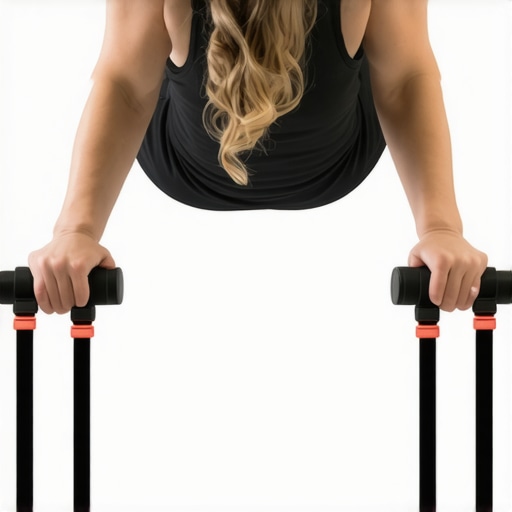
What I Wish I Knew About Shoulder Stability and Handstands
One unexpected lesson I learned was that shoulder stability isn’t just an accessory to handstand practice—it’s the foundation. Building awareness of the deep stabilizers transformed my approach and dramatically improved my balance. Realizing that targeted strengthening of my rotator cuff and scapular muscles directly impacted my ability to hold a steady handstand was a game-changer. It made me prioritize quality over quantity, and I finally started to see consistent progress.
Another insight was understanding that progress isn’t always linear. Sometimes, focusing solely on increasing time in the handstand led to neglecting the minor, neuro-muscular adjustments that keep the shoulder joint safe and efficient. Patience with deliberate, stability-focused drills proved to be the secret sauce in my journey from wobbling to confidently holding poses for extended periods.
Lastly, integrating recovery strategies, like appropriate rest and mobility work, proved crucial. Overtraining without allowing my stabilizers to recover often set me back. Recognizing the importance of a holistic approach—training, recovery, and professional guidance—ensured sustainable improvement.
Tools That Elevated My Practice
For anyone serious about enhancing shoulder stability and mastering handstands, I recommend investing in a few key tools. First, a high-quality resistance band set transformed my rotator cuff exercises, allowing for controlled, progressive overload. Second, a mobility foam roller helped maintain tissue elasticity around my shoulders and upper back, preventing stiffness that hinders stability. Third, digital resources, like guided rehab routines from reputable apps, provided structure and accountability, making my training more effective and consistent. These tools complemented my practice and reinforced my commitment to safety and progress, and I believe they can do the same for you.
Additionally, consulting with a professional, like a chiropractor experienced in sports rehab, can offer personalized insights. Their expertise ensures your shoulder stability drills are tailored to your unique needs, preventing injury and accelerating results. To explore comprehensive approaches, check out this guide on targeted chiropractic care for athletes and practitioners alike.
Your Next Step Toward Confident Handstands
Remember, transforming wobbling into mastery is within your reach. By prioritizing shoulder stability and embracing a strategic, hands-on approach, you’re not just fixing a technique—you’re laying down the groundwork for a resilient, injury-free practice. The journey might be gradual, but with the right tools, knowledge, and mindset, you’ll soon find yourself confidently balancing on your hands, inspiring others along the way. Don’t let fear or frustration hold you back. Take that first deliberate step today, and watch as your handstand dreams become reality.