
It was a typical Monday at the gym when I felt that sharp, almost tingling pain shoot through my knees during my squat. I froze for a second, heart pounding, realizing I was pushing through a movement that was actually hurting me instead of helping. That lightbulb moment made me question everything I thought I knew about proper squat form and knee health. If you’ve ever experienced the burning sensation or a nagging ache after squatting, you’re not alone. Many of us strive to improve our strength but unknowingly compromise our joints in the process.
Why Your Knee Pain During Squats Might Be Fixable with One Simple Change
The key lies in a subtle adjustment called the Box Squat Tweak, which many overlook but can dramatically reduce knee stress. This method doesn’t require expensive gear or hours of rehab—it’s about recalibrating your technique and embracing smarter movement. Over the years, I’ve tried countless methods, from foam rolling to strict mobility routines, but the real breakthrough came when I adopted this tweak. It not only alleviated my knee discomfort but also improved my strength and confidence during heavy lifts.
Could a Small Modification Save Your Knees? Skeptical? I Was Too!
Early on, I made a mistake that many beginners do: relying solely on external cues like knee tracking or trying to squat deeper without proper preparation. I ignored the importance of hip hinging and neutral spine alignment, which are crucial to distributing load evenly and protecting your knees. It took me months of trial and error before I realized that a tiny change—adjusting how I sit back on the box—was the missing piece.
Interestingly, research shows that proper squat mechanics can significantly reduce joint stress—up to 20%, according to a study published in the Journal of Orthopaedic & Sports Physical Therapy. This means that tweaks like the box squat adjustment aren’t just about comfort; they’re backed by science.
If you’ve faced struggles with knee pain or discomfort during your workouts, this is a detail worth exploring. In the next sections, I’ll guide you through the practical steps to implement this tweak safely and effectively. Want to start feeling a difference? You might consider reaching out to a mobility or sports rehab specialist, like those at [Motion Therapy Pro](https://motiontherapypro.com/contact-us), to get tailored advice and support. Keep reading, because fixing your squat mechanics could be the game-changer you’ve been looking for.
Setup Your Environment to Practice the Tweak
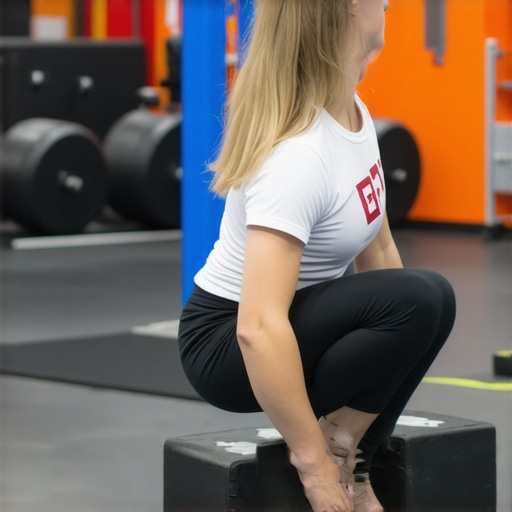
Find a sturdy box or bench that allows you to sit back comfortably without feeling unstable. Remove any distractions and wear comfortable workout clothes. Setting the stage clearly helps you focus on proper technique, much like preparing a workspace before a project.
Learn the Proper Sitting Back Technique
Think of sitting onto a chair behind you rather than down into your knees. Initiate the movement by pushing your hips back, like opening a sliding door, rather than just bending your knees forward. This hip hinge reduces knee load and activates your glutes and hamstrings to support the movement.
Micro-Story: My First Attempt and Personal Lessons
Initially, I just lowered myself quickly, thinking I was using proper form. I felt unstable, and my knees still ached afterward. Then, I consciously engaged my hips, focusing on sitting back slowly and keeping my chest upright. Within a few reps, my knees felt less strained, and I realized the importance of controlled movement and hip engagement.
Adjust Your Position for Optimal Load Distribution
Place your feet shoulder-width apart, with toes slightly pointed out. As you sit back, ensure your knees track over your toes, not inward or outward. Use a mirror or film yourself to check alignment. Accurate positioning ensures your joints share the load evenly, much like evenly distributing weight across a platform.
Refining Your Technique Through Feedback
Record your sessions or have a coach observe you. Small adjustments, like slightly widening your stance or increasing hip hinge, can make a big difference. Persistent feedback loops help ingraining correct habits and prevent compensations that could cause pain.
Implement the Tweak in Your Regular Workout
Start with bodyweight squats to master the movement pattern. Focus on sitting back with control, keeping your core tight. Gradually add weights, increasing resistance only when the movement feels natural and pain-free. Think of it as tuning an instrument—precision and patience lead to harmony and injury prevention.
Practical Tip: Use a Mirror or Video for Self-Correction
Watching yourself can reveal subtle flaws, like knees caving in or leaning forward. Make real-time adjustments, like pushing your knees outward or bracing your core more firmly. Continuous self-assessment helps cement proper technique, much like a photographer reviewing shots to improve composition.
Leverage Additional Support for Long-Term Benefits
If persistent discomfort arises, consider consulting with a professional who can align your movement patterns with chiropractic techniques, such as those discussed here. They can identify underlying issues like hip mobility restrictions or spinal misalignments that may affect squat mechanics and accelerate knee pain.
 Many assume that chiropractic adjustments or sports rehab sessions are quick fixes, but the real nuance lies in understanding their proper application and limitations. A common misconception is that a single adjustment can permanently resolve complex issues like chronic back pain or joint instability. In reality, these interventions are most effective when integrated into a comprehensive approach that includes targeted exercises and lifestyle modifications.
One trap to avoid is relying solely on symptomatic relief without addressing underlying movement patterns and muscular imbalances. For example, some practitioners might focus exclusively on spinal alignment, neglecting the role of surrounding soft tissues and neuromuscular control. This oversight can lead to temporary relief but leaves the root cause unaddressed, often resulting in recurrence of pain.
Another misconception involves the “quick fix” mentality promoted by some clinics or online content. While adjustments can provide immediate relief, true and lasting change requires commitment to corrective strategies and understanding the biomechanics involved. As highlighted in a study published in the “Journal of Orthopaedic & Sports Physical Therapy,” spinal manipulative therapy combined with exercise therapy yields significantly better long-term outcomes than adjustments alone.
Why does every adjustment not work for everyone, and how can I tell if my care is tailored properly?”
Advanced practitioners recognize that variability in individual anatomy, movement habits, and injury history demands a personalized approach. For instance, a one-size-fits-all adjustment plan ignores the unique biomechanics of each person. Effective care involves comprehensive assessment, including functional movement screenings and sometimes dynamic testing, to tailor interventions accordingly.
Be cautious of clinics that promise instant results without follow-up or ongoing support. The most sustainable improvements occur when adjustments are just one component in a broader strategy that emphasizes patient education, mobility work, and strengthening exercises. If you’re interested in how to enhance your recovery process, explore strategies at [Motion Therapy Pro](https://motiontherapypro.com/revolutionize-your-rehab-chiropractic-techniques-for-faster-recovery) or consult experienced professionals who prioritize integrated care.
Remember, genuine progress in back pain management and rehabilitation hinges on understanding these nuances. Have you ever fallen into the trap of expecting a quick fix? Let me know in the comments.Maintaining the progress you’ve made in your rehabilitation or chiropractic care requires more than just visits to your practitioner; it involves consistent effort with the right tools and techniques. Personally, I rely on a combination of targeted equipment and strategic approaches to keep my back healthy and ensure long-term results. One such essential is the foam roller, specifically a medium-density version, which I use daily to address soft tissue restrictions. Regular self-myofascial release helps prevent muscle tightness that could compromise your alignment or flare up old injuries.
Another tool I highly recommend is the lacrosse ball. It’s compact but incredibly effective for releasing trigger points, particularly around the psoas and glutes, areas prone to causing low back pain if neglected. I dedicate a few minutes each morning to rolling these spots, which keeps my hips mobile and reduces strain on my lumbar spine.
In addition to physical tools, integrating technology has significantly enhanced my maintenance routine. Apps like TrainerRx or PhysiApp enable me to follow personalized mobility and strengthening routines prescribed by my sports rehab specialist. These platforms often include instructional videos, tracking features, and progress feedback, making adherence easier and more engaging.
Looking ahead, the trend leans toward smarter recovery tools that combine biofeedback with AI-driven guidance. Wearable devices are evolving to monitor posture and movement patterns, providing real-time cues for corrections. I believe that as these innovations become more affordable and user-friendly, they’ll play a central role in preventing setbacks and scaling up rehab efforts for more complex issues.
How do I keep this momentum going over time? Consistency is key, but it’s equally important to adapt your tools and strategies as your body evolves. This might mean upgrading to more advanced massage tools, investing in ergonomic accessories, or exploring new tech solutions to stay vigilant.
For personalized support and tailored strategies, consider reaching out for professional advice at [Motion Therapy Pro](https://motiontherapypro.com/contact-us). They can help you optimize your maintenance routine and ensure your efforts translate into lasting health gains.
Don’t wait for pain to creep back—start incorporating these tools into your daily routine now and experience how consistency and the right equipment can sustain your back health long-term. Want a practical tip to try today? Begin with short daily sessions using a lacrosse ball on your hip flexors and glutes, focusing on gentle pressure to release tension and improve mobility.
In my journey of overcoming chronic back pain and refining my squat form, I discovered that the most profound changes often stem from understanding the subtle nuances of movement and choosing the right support. My lightbulb moment came when I realized that tiny adjustments, combined with professional guidance, could prevent long-term injury and enhance performance.
Three Lessons From the Trenches of Back-Friendly Squatting
- Never underestimate the power of mindful technique: Small tweaks, like sitting back onto a box properly, can drastically reduce joint stress and prevent discomfort. This insight taught me that quality movement always trumps brute force.
- Professional assessments are gold: A thorough evaluation by a qualified chiropractor or sports rehab specialist helped me identify mobility restrictions and muscular imbalances that I couldn’t feel myself. Their tailored advice made my recovery more effective.
- Tools matter as much as technique: Incorporating self-myofascial release tools like a lacrosse ball or foam roller allowed me to maintain mobility and prevent re-injury, proving that daily maintenance is essential for sustained health.
My Secret Arsenal for Lasting Back Wellness
- Targeted chiropractic strategies: These helped realign my spine and improve movement patterns, serving as a foundation for my rehab routine.
- Long-term chiropractic care: Consistent sessions complemented my exercises and kept my back resilient over time.
- Specific mobility routines: Daily stretches and activation drills strengthened my core and hips, reinforcing good habits.
- Performance-enhancing chiropractic treatments: These optimized my biomechanics, ensuring my squat form remained effective and pain-free.
You Can Take Charge of Your Back Health Today
Remember, the road to a healthy back isn’t paved with quick fixes but with consistent effort, proper technique, and professional support. By integrating smarter squat modifications with expert assessments and supportive tools, you set the stage for long-lasting relief and peak performance. It’s inspiring to see how these small, intentional changes can make a big difference — so why not start today? Persistent back pain doesn’t have to be your story. Explore tailored strategies, reach out to specialists when needed at this link, and take that first confident step toward a healthier, pain-free back. How will you begin applying these insights to your routine? Share your plans below — I’d love to hear your journey.