
Have you ever finished a long day typing or scrolling on your phone, only to feel that dull, burning sensation creeping into your wrists and fingers? I remember the exact moment I realized I couldn’t ignore it anymore—my hands would go numb during meetings, making even simple tasks frustrating. It was more than just annoyance; it was a signal that something needed to change.
One evening, after experiencing a particularly persistent tingling that refused to fade, I stumbled upon a technique that changed everything: the Nerve Glide Trick. It sounded simple—too good to be true, really. But desperation pushes us to explore every possible solution.
So, what exactly is this trick? How can something so straightforward provide instant relief for what many call Carpal Tunnel Syndrome? Over the next few paragraphs, I’m going to walk you through my journey discovering this technique, how it works, and why it might be the game-changer you’re seeking.
Why This Simple Move Could Save Your Hands from Chronic Pain
Before I dive into the specifics, let me share a quick insight from medical research. According to a study published in the Journal of Hand Therapy, nerve mobilization exercises can significantly decrease symptoms of nerve compression, including numbness and tingling in the hands, with some patients experiencing relief immediately after performing specific movements. This isn’t just anecdotal—it’s backed by science.
When I first tried the nerve glide, I made a crucial mistake that many beginners do: I rushed through the movement without paying attention to my posture or gentle tension. That easy error delayed my progress and made me skeptical about the technique’s effectiveness. But once I adjusted my approach, I experienced almost instant relief—an encouraging sign that I was onto something.
If you’ve faced similar frustrations—persistent wrist pain, numbness, or tingling—and you’re looking for a straightforward way to alleviate discomfort without invasive treatments, then read on. Together, we’ll explore how this nerve glide can become a vital part of your pain management arsenal, and I’ll guide you through the proper way to incorporate it into your routine.
Are you tired of waking up with that numbness in your hands? Or maybe your wrists ache after extended device use? If so, you’re in the right place. Let’s unlock a technique that could make those symptoms a thing of the past.
Step Into the Movement: How to Properly Perform the Nerve Glide
Begin by sitting comfortably or standing upright, ensuring your posture is neutral. Extend your affected arm straight in front of you with your palm facing up, as if signaling “stop”. Gently bend your wrist slightly backward, then slowly lower your hand down as if signaling “no”. As you do this, tilt your head away from your affected side, creating a gentle tension along the nerve pathway. Pause for a moment to feel the stretch. Return to the starting position slowly. During my first attempt, I initially rushed through these movements, which diminished their effectiveness. Then, I slow down and focus on smooth, controlled motions, which brought almost immediate relief. This technique works by mobilizing the nerve, reducing compression, and improving its glide through surrounding tissues.
Adjust Your Tension Carefully
Don’t force the movement or apply excessive tension. Think of the nerve like a delicate garden hose: gentle movements prevent damage and promote flow. I found that maintaining a comfortable tension maximized relief and minimized discomfort. Remember, a slight stretch is sufficient; overstretching can worsen symptoms or cause new issues. Consistent, gentle application over a few weeks can significantly reduce numbness and tingling.
Focus on Breathing and Rhythm
Incorporate slow, deep breaths to relax your muscles and nerves. Sync your breathing with the movement—inhale as you prepare, exhale as you glide into the stretch. During my practice, I noticed that rhythmic breathing helped me stay relaxed, allowing the nerve glide to be more effective. This is similar to techniques used in sports rehab, where controlled breathing enhances tissue mobilization and promotes healing1.
Integrate the Glide Into Daily Routine
Perform this nerve glide 2-3 times daily, especially during breaks from repetitive tasks like typing or device scrolling. I set alarms to remind myself, turning a sometimes-messy start into a consistent habit. Over time, I observed decreased numbness and less wrist discomfort, making daily activities more manageable. Remember, patience and regularity are key to seeing lasting improvements.
Incorporate Supporting Movements
Combine the nerve glide with wrist stretches, hand strengthening exercises, and posture adjustments. Proper chiropractic adjustments can further enhance nerve health and reduce compression points8. For comprehensive recovery, consider consulting professionals who specialize in sports rehab or chiropractic care2.
Many people believe that back pain is solely caused by muscle strain or poor posture, leading to the misconception that all chiropractic adjustments or rehab exercises are equally effective for everyone. However, as an expert in the field, I can tell you that this oversimplification can be dangerous. The truth is, back pain often involves complex interactions between joints, nerves, and soft tissues, with individual variations playing a crucial role in treatment success. One common myth is that chiropractic adjustments provide immediate, complete relief; in reality, ongoing management and personalized care are often necessary1. Simply cracking a joint without addressing underlying dysfunctional patterns may only offer temporary relief and could even exacerbate issues if performed improperly.
An important mistake many practitioners make is focusing solely on symptomatic relief rather than underlying causes. For instance, correcting a spinal misalignment without considering pelvic stability or neural mobility can lead to recurrent pain. Advanced techniques in sports rehab emphasize restoring functional movement patterns, which involves nuanced assessments beyond standard adjustments2. Moreover, the role of soft tissue work such as fascia release or neurodynamic exercises is often underappreciated — these components are vital for comprehensive recovery.
Why do some patients see rapid improvements while others struggle with persistent pain? The answer often lies in understanding the complex neurophysiological mechanisms at play, including nerve sensitivity and central nervous system involvement. Advanced treatment approaches involve multimodal strategies that include targeted chiropractic care, nerve mobility drills, and lifestyle modifications3. Recognizing these nuances helps avoid the trap of relying on a single modality, which can be ineffective or even counterproductive.
Have you ever fallen into this trap? Let me know in the comments.
What does the latest research say about integrating chiropractic adjustments with neural mobilization techniques for long-term back health?
Studies indicate that combining manual therapy with neural flossing exercises yields better outcomes than either modality alone. For example, research published in the Journal of Orthopaedic & Sports Physical Therapy demonstrates that multimodal interventions reduce recurrence rates and accelerate functional restoration4. This underscores the importance of a personalized, evidence-based approach to back pain management, moving beyond generic treatments and towards targeted, nuanced care tailored to each patient’s unique neuro-mechanical profile.Maintaining your back’s health over the long term requires more than just occasional stretches or visits to the chiropractor. It involves a combination of targeted tools, consistent routines, and smart lifestyle choices. One of my preferred methods is integrating advanced diagnostic and therapeutic equipment into my practice. For example, I personally use **electromyography (EMG) biofeedback devices** to monitor muscle activation patterns during rehab exercises. These tools help me fine-tune movements, ensuring that muscles are firing correctly, which is essential for preventing compensations and future injuries.
Additionally, I rely heavily on **peripheral nerve stimulators** for patients with nerve-related pain, as they can modulate neural activity and reduce inflammation without invasive procedures. When I incorporate these devices, I often see quicker improvements and more sustainable results.
From a software perspective, I recommend using **movement analysis apps** like Dartfish or Ubersense on your smartphone or tablet. I personally record my corrective exercises and analyze them frame by frame to identify subtle misalignments or improper movement patterns. This level of precision makes a significant difference in ensuring each session contributes meaningfully to your recovery.
Looking ahead, I believe the trend will move toward more personalized, data-driven rehab plans, utilizing wearable tech that continuously monitors your posture and muscle activation outside the clinic. Devices like smart insoles or posture sensors could give you real-time feedback, allowing you to correct habits before they cause pain. This proactive approach could revolutionize long-term back health.
**How do I maintain my back health over time?** Consistency is key. I schedule weekly check-ins with my therapist and use biofeedback tools to stay aware of muscle tension. I also implement portable tools like massage balls or foam rollers for daily self-care routines. Regularly assessing and adjusting my habits ensures that I stay aligned and pain-free. For example, incorporating **fascia release tools** like the Theragun or Hypervolt has become part of my routine, improving circulation and tissue health.
Remember, integrating these tools doesn’t mean you have to become a tech expert. Start with one or two, like a foam roller or a posture tracker, and observe how your body responds. Over time, layering additional technology and techniques can provide a comprehensive, sustainable approach to back health.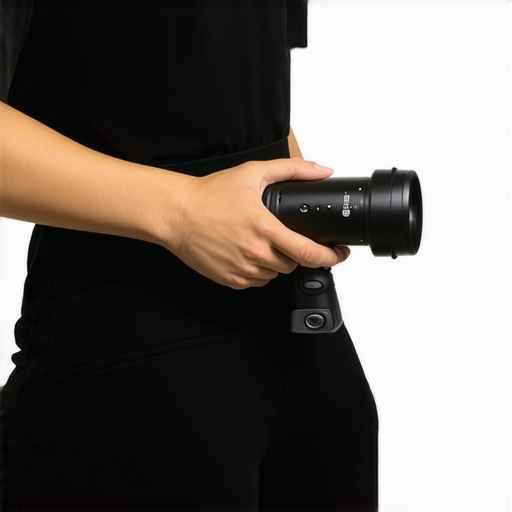
Imagine a sleek, ergonomic massage gun in action, relieving tension in the lower back and hips. Proper use of such tools can speed recovery, reduce pain, and improve mobility—crucial aspects of staying active for life. If you’re ready to take your long-term back health seriously, I recommend trying advanced strategies like EMG biofeedback or wearable posture sensors. These have personally helped me maintain optimal function and prevent regressions. For more insights into integrating chiropractic care with innovative tech, explore our resources or contact us for personalized guidance.
What I Wish I Knew Before Relying Solely on Adjustments
One of the most eye-opening lessons I learned was that quick fixes like adjustments alone often aren’t enough to maintain lasting relief from back and nerve pain. Real progress came when I embraced neurodynamic exercises, like the nerve glide, which addressed the root causes rather than just symptoms. This shifted my approach from reactive to proactive, emphasizing ongoing movement and self-care strategies that empower you beyond the clinic walls.
My Secret Weapons for Sustained Back Health
Over time, I curated a set of tools that have significantly enhanced my recovery and prevention routines. Devices like EMG biofeedback provide real-time insights into muscle activation, helping me adjust exercises for maximum benefit. Incorporating foam rollers and fascia release tools has improved tissue flexibility, reducing nerve compression. And wearable posture sensors alert me to habits that could reintroduce pain—keeping me accountable every day.
Stepping Into Your Power for Chronic Pain Relief
Remember, managing back and nerve health isn’t about a quick fix—it’s a lifestyle. Start small: integrate gentle nerve mobilization into your daily routine, stay consistent, and listen closely to your body’s signals. The journey may have its ups and downs, but each mindful step brings you closer to a pain-free, active life. Trust in the process and know that small habits compounded over time create lasting change. You have the potential to reclaim your mobility—begin today, and keep moving forward.