
It was late one night, and I found myself wincing every time I tried to stand on my toes during a simple stretch. The dull ache in my Achilles had become so persistent that I started questioning whether I’d ever run without pain again. I remember thinking, “Is this just part of getting older? Or is there a way out?” That lightbulb moment led me down a path of experimentation, frustration, and finally, a breakthrough with what I now call the Eccentric Calf Fix.
Why Chronic Achilles Tension Can Ruin Your Day (And Then Some)
Many folks overlook how interconnected our muscles and tendons are, especially in the calf and Achilles area. Chronic tension here isn’t just about discomfort; it impacts mobility, athletic performance, and can lead to more serious injuries if ignored. I used to believe that rest and stretching alone would solve my problems—big mistake. Early on, I was guilty of doing inconsistent calf stretches and neglecting how strength imbalances could actually worsen the pain.
But here’s the thing: resolving stubborn Achilles tension often requires more than just generic stretches. It’s about targeting the root cause with a tailored approach—something I discovered through personal trial and error. And trust me, once I started applying specific eccentric loading techniques to my calves, things changed dramatically.
Skeptical About New Methods? So Was I
I remember dismissing the idea that a simple eccentric exercise could make such a difference. I was convinced that I needed fancy gadgets or expensive therapies. I also hurried through my exercises, thinking more reps meant faster relief. That was a mistake—and I paid the price with increased pain and setbacks.
Through my journey, I learned that correct form and consistency matter more than sheer effort. I also realized the importance of avoiding common mistakes, like neglecting your ankle mobility or overlooking tight calves and calves imbalances. If you’re like I was, skeptical at first, my best advice is to approach these techniques with patience and a willingness to learn.
Curious to see how this approach can work for you? Stay tuned—because I’m about to share exactly how I turned my Achilles from a chronic pain point into a thing of the past, step by step.
Focus on Eccentric Calf Raises
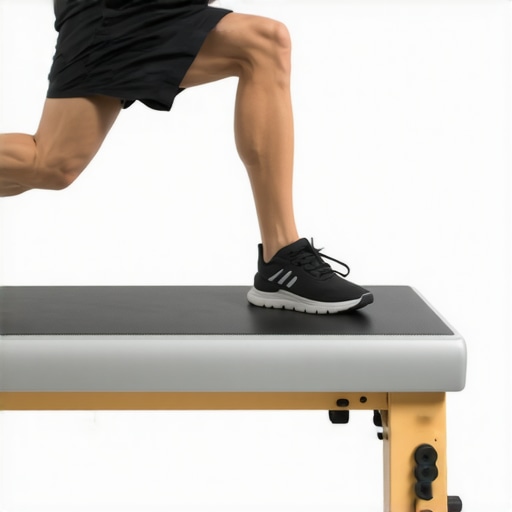
Start with controlled eccentric calf raises by standing on a step, heel hanging off, then slowly lowering your heel below the step level. My first attempt was messy; I wobbled and nearly lost balance, but I persisted. Repeat for 3 sets of 15 reps, two times daily. This movement loads the Achilles in a way that promotes tendon remodeling and reduces pain.
Implement Proper Foot Positioning
Align your feet straight or slightly outward during exercises to avoid unnecessary strain. I realized misalignment when I felt sharper pain after a misplaced foot position. Ensuring proper foot placement maximizes exercise effectiveness and minimizes injury risk.
Progress Slowly and Mindfully
Incrementally increase resistance or reps as pain diminishes. Initially, I tried jumping into high reps—my Achilles protested loudly. Adjusting quickly, I reduced intensity and focused on slow, deliberate movements, which improved recovery. Patience here is key; rushing can lead to setbacks.
Combine Exercises with Mobility Work
Improve ankle dorsiflexion by performing gentle stretches like the knee-to-wall test. Once, I used a towel to assist in dorsiflexion, helping my Achilles tolerate eccentric loading better. Improved mobility ensures that you’re not compensating elsewhere, reducing the likelihood of re-injury.
Address Contributing Factors
Assess calf and Achilles tightness and work on releasing these areas with foam rolling or massage. I noticed tight calves when my heel wasn’t able to lower smoothly in the eccentric raises. Loosening these muscles creates a better environment for tendon healing and exercise effectiveness. For comprehensive tips, consider reviewing strategies at this resource.
 Many people believe that chiropractic adjustments are a quick fix for back pain, but in my experience, there’s a crucial nuance that many overlook: not all injuries respond equally, and the reliance on adjustments alone can sometimes be a trap. Some think that a single session will resolve long-standing issues, yet research shows that comprehensive care involving active rehabilitation yields better, longer-lasting results.
Consider the common myth that adjustments alone realign the spine permanently. While they can provide immediate relief, studies such as those published in the Journal of Manipulative and Physiological Therapeutics emphasize that improvements in spinal function often require supplementary exercises and lifestyle modifications for sustained benefits. Relying solely on adjustments might create a false sense of security and delay more effective, integrated treatment plans.
Why do so many fall for the quick-fix illusion in back pain management?
One trap is the belief that pain relief equals healing. However, pain often masks deeper issues like muscular imbalances or poor movement habits. Addressing these factors involves understanding complex biomechanics and engaging in targeted rehab, not just quick adjustments. Consulting with a practitioner who emphasizes functional rehabilitation, such as through strategic exercises, can lead to injury prevention and long-term health. For deeper insights, explore [this detailed guide on effective back pain strategies](https://motiontherapypro.com/strategic-chiropractic-solutions-for-long-term-back-health).
Another misconception revolves around the role of posture. Some assume that standing or sitting straight indefinitely will eliminate back pain. In reality, posture is dynamic, and overly rigid postures can cause muscle fatigue and compensate strains. Active movement and mobility work, like the ones I shared earlier in my Achilles rehab, are more effective than static corrections alone. To enhance your understanding of proper spinal health, check out [this expert analysis on chiropractic’s role in back pain](https://motiontherapypro.com/unlocking-back-pain-relief-expert-chiropractic-adjustments-that-work).
Don’t fall into the trap of thinking that a quick fix is enough. Effective, sustainable recovery hinges on addressing root causes with a combination of adjustments, targeted exercises, and lifestyle changes. Have you ever fallen into this trap? Let me know in the comments and share your experiences!Maintaining progress after chiropractic adjustments and sports rehab requires the right tools and systems in place. From specialized equipment to digital resources, having a strategic toolkit helps ensure longevity and scalability of your recovery. Personally, I rely on a combination of functional assessments, quality rehab gear, and smart technology to keep my clients on track.
One indispensable device I recommend is the **foam roller**, particularly the **RumbleRoller**. Its textured surface allows for deeper tissue massage, which is crucial for releasing tight muscles that often undermine spinal health or athletic performance. I use it regularly in my sessions and instruct clients to incorporate daily at-home routines. For example, targeted foam rolling of the thoracic spine and hips improves mobility, directly supporting more effective adjustments and exercises.
In addition, I utilize **therapeutic resistance bands** like the **Lacrosse Therapy Bands**. These are versatile for strengthening tiny stabilizer muscles and correcting imbalances that often cause chronic issues. For example, gentle banded shoulder stability drills can enhance scapular control, preventing pain recurrence.
On the digital front, I recommend **physiotherapy apps** such as **PEAR Personal Coach**. These apps offer tailored mobility and strengthening routines, guided by professional algorithms. They are especially useful for clients who prefer remote follow-up and want to sustain their progress outside the clinic.
Predicting where this trend is heading, I believe integrating wearable tech—like motion sensors and biofeedback devices—will become standard in rehab protocols. These tools will allow real-time monitoring of movement quality, ensuring exercises are performed correctly and progress is objectively tracked.
Exactly how do I maintain effective back health over time? The key lies in a combination of **consistent self-care tools** and **professional check-ins**. Incorporating foam rolling routines daily and using apps for guided exercises creates a sustainable foundation. Regular assessments, either virtually or in person, help adapt the plan as your body evolves.
For example, implementing a 5-minute mobility drill involving thoracic extensions with a foam roller each morning can significantly improve posture and reduce discomfort. Over time, such habits lead to durable results and fewer setbacks.
To explore more about the science behind effective adjustments, I recommend visiting [this resource on chiropractic’s role in back pain](https://motiontherapypro.com/understanding-the-role-of-chiropractic-care-in-effective-sports-injury-recovery). Taking incremental steps and leveraging modern tools empowers you to stay ahead in your recovery journey. Ready to upgrade your home toolkit? Start with a high-quality foam roller and see how daily use transforms your mobility and resilience.
What I Wish I Knew About Genuine Healing
One of the most profound lessons I learned was that quick fixes rarely lead to lasting results. Early on, I believed that doing more stretches or adding certain supplements would accelerate my recovery—only to find that patience and targeted exercises made all the difference. Real healing requires understanding the specific causes of your discomfort and addressing them with consistency.
Another insight was recognizing the importance of listening to my body, not ignoring pain in hopes it would go away. Pushing through discomfort can sometimes cause setbacks. Learning to differentiate between harmless soreness and signals of injury helped me adjust my approach for better progress.
Lastly, I discovered that combining mobility work with strength training creates a resilient foundation. Solely focusing on one aspect may provide temporary relief, but a balanced program tackles the root issues and prevents future injuries. This holistic perspective transformed my entire recovery process and can do the same for you.
Tools That Transformed My Approach to Recovery
One essential resource I rely on is the proven chiropractic strategies. They offer insights into effective rehab techniques backed by science, helping me tailor my recovery.
The latest chiropractic tech tools, like functional assessments and biofeedback devices, give real-time feedback and ensure exercises are performed correctly. They keep me motivated and accountable, making recovery scalable and sustainable.
My go-to physical tools include the high-quality foam rollers and resistance bands. They’re simple but powerful aids to maintain mobility and strength. Plus, digital apps tailored for physiotherapy routines enable me to follow effective programs anywhere, reinforcing good habits outside the clinic.
Looking ahead, I believe the integration of wearable tech, such as motion sensors, will revolutionize rehab by providing precise, real-time progress tracking. Staying updated with these innovations has been pivotal in my journey, and I encourage you to explore these cutting-edge tools as part of your recovery arsenal.
Seize Your Next Step and Shape Your Future
The path to enduring relief and optimal performance is within your reach. Embrace a mindset of patience, small consistent actions, and openness to new tools. Whether it’s mastering eccentric calf raises or using digital resources, every effort builds toward a more resilient, pain-free future. Remember, your body responds best when you listen, adapt, and stay committed to the process.
What small change are you willing to start today that could make a big difference in your recovery? Share your thoughts below and take the first step toward lasting wellness!
,