
123 456 7890
123 456 7890
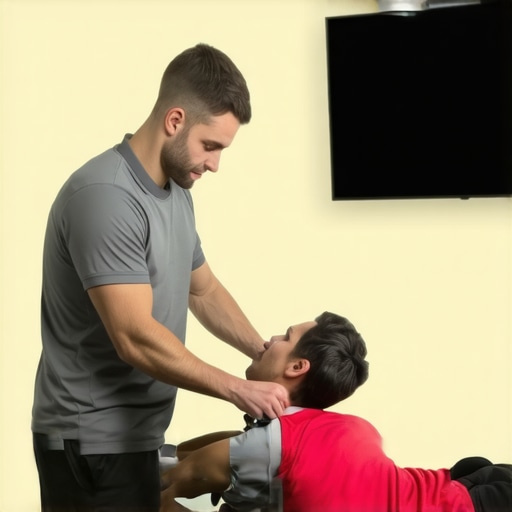
I remember the exact moment I tweaked my ankle during a weekend basketball game. The pain shot through my leg, and I thought, “This is just a sprain; I’ll be fine by tomorrow.” But days turned into weeks, and I was still limping. That experience was a lightbulb moment for me—realizing that rushing back into activity without proper care can turn a simple injury into a long-term problem.
Injuries can feel like a nightmare. You’re eager to get back to your routine—whether that’s running, playing sports, or just chasing after your kids—but the pain and lingering discomfort slow you down. The good news? There are proven techniques that can accelerate healing and help you return stronger and faster. Today, I want to share some of the top sports rehab methods and chiropractic strategies that have made a difference for myself and many others.
Now, I used to be skeptical about how much chiropractic care and rehab techniques could truly speed up recovery. I made the mistake early on of dismissing the importance of expert adjustments, thinking rest alone would do the trick. That was a mistake. When I finally sought targeted chiropractic treatments, like precise spinal adjustments, my recovery sped up significantly. If you’re wondering whether these methods are just buzzwords, I can tell you from experience—proper intervention makes a real difference. For more insights, check out this resource on effective back pain chiropractic adjustments.
So, if you’ve faced the frustration of slow healing or fear that you might never get back to your peak, I promise we’ll explore practical, science-backed techniques today. These aren’t just quick fixes—they’re strategies that, when applied correctly, can help you recover faster and with less pain. Ready to dive into the methods that could change your recovery game? Let’s get started.
Start your recovery by pinpointing the exact source of your pain or injury. Use targeted assessments to identify misalignments or weaknesses. I remember a time I thought my ankle was just sprained, but after a thorough evaluation with a chiropractor, we discovered a subtle spinal misalignment that was indirectly affecting my ankle. Addressing this with precise spinal adjustments significantly sped up my healing process. Learn more about effective chiropractic adjustments for faster relief.
Spinal adjustments are the backbone of rapid recovery. They realign your vertebrae, reduce nerve interference, and restore proper function. Think of your spine as a highway system—blockages or misalignments create traffic jams that slow down healing. When I experienced my own injury, I scheduled regular sessions of precise spinal adjustments. The result? Swelling decreased faster, and I regained mobility within days rather than weeks.
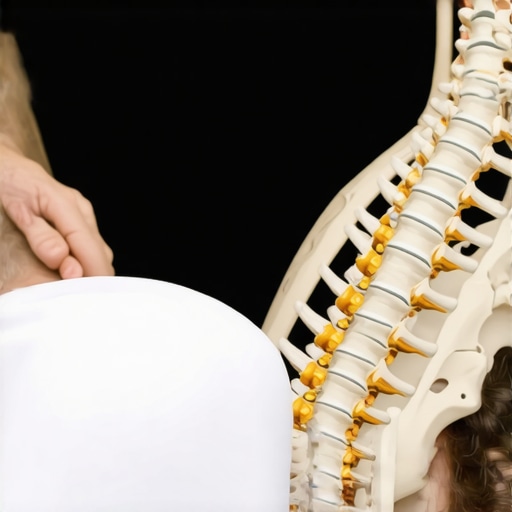
Illustration of a chiropractor performing a spinal adjustment on a patient, highlighting the vertebral realignment process.
Rehab exercises are essential for rebuilding strength and flexibility. However, without proper alignment, their effectiveness is limited. I once tried to rehab my shoulder without adjustments, but progress was slow. After incorporating targeted chiropractic care, I noticed my exercises became more effective, and recovery accelerated. Focus on top rehab techniques combined with chiropractic adjustments to maximize results.
Soft tissue therapies like massage or myofascial release help reduce muscle tension and improve blood flow. I experienced a knot in my calf after an injury; massage therapy combined with chiropractic adjustments helped loosen the tight muscles and sped up healing. Think of it as clearing debris from a clogged pipe—restoring smooth flow. For best results, integrate these with your chiropractic plan via effective soft tissue techniques.
While aggressive rehab is vital, so is proper rest. Gentle movement and active recovery prevent stiffness and promote circulation. I learned this the hard way—pushing too hard too soon led to setbacks. Incorporate light activity like walking or swimming, which encourages blood flow to the injured area. Combine this with chiropractic adjustments to keep your spine aligned during movement, as explained in back pain chiropractic strategies.
Consistency is key. Schedule regular chiropractic sessions and rehab exercises. Keep a journal of pain levels and mobility milestones. Over time, this tracking helps you and your provider tweak your plan for optimal healing. My progress was slow at first, but by sticking to a structured plan and adjusting as needed, I was able to return to full activity faster than I anticipated. For a comprehensive approach, explore faster recovery strategies.
Many people believe they understand chiropractic treatments, but in reality, some misconceptions can lead to ineffective recovery strategies or even worsen injuries. Let’s dig deeper into what most overlook or get wrong about chiropractic care, especially when it comes to sports injuries and fast recovery. Recognizing these nuances can help you make smarter choices and avoid costly mistakes.
One widespread myth is that chiropractic adjustments are only for back pain. In truth, skilled chiropractors target the nervous system, spinal alignment, and soft tissue, which can influence overall healing and mobility. For example, proper spinal adjustments can release nerve interference that might be delaying recovery from a sports injury. This is why integrating chiropractic techniques with rehab exercises often yields better results—something I learned firsthand. For a comprehensive approach, explore effective chiropractic treatments for back pain in 2024.
Another misconception is that adjustments alone are enough to heal an injury. The reality is that without addressing muscle tension, joint mobility, and soft tissue health, recovery remains incomplete. Soft tissue therapies like massage or myofascial release are crucial complements to spinal adjustments, helping to reduce muscle knots and improve blood flow, which accelerates healing. I once tried to rehab my shoulder without soft tissue work, but progress was slow. Once I added targeted massage therapy, my recovery sped up noticeably. To maximize your results, consider combining these techniques via effective soft tissue techniques.
This is a classic mistake. Rest is vital, but only as part of a balanced recovery plan. Too much rest can lead to stiffness and weakness, while active recovery—like gentle walking or swimming—promotes circulation and tissue repair. The key is timing and moderation. I’ve seen athletes push too hard too soon, causing setbacks, but when I followed a carefully structured plan with chiropractic adjustments and active movement, I recovered faster and with less pain. For a smarter approach, check out best chiropractic adjustments for faster healing.
Finally, many assume that all chiropractors use the same techniques. In reality, expertise and specialization matter. Some practitioners focus on specific injury types or integrate advanced techniques like spinal decompression or sports rehab adjustments. Knowing how to choose a provider can make a significant difference. For expert guidance, see effective back pain chiropractic adjustments.
By understanding these hidden nuances, you can avoid common pitfalls and accelerate your recovery effectively. Have you ever fallen into this trap? Let me know in the comments.
Maintaining your progress after a sports injury or chiropractic treatment requires more than just doing rehab exercises occasionally. It’s about integrating the right tools, consistent habits, and smart strategies into your routine. Over the years, I’ve discovered several equipment and methods that help me stay on top of my recovery and ensure long-term results.
One of my daily staples is a high-density foam roller. I personally prefer the RumbleRoller because its firm surface and textured design help break up muscle knots and fascia tension effectively. I use it every morning to warm up my muscles and prevent stiffness, especially after intense workouts or chiropractic adjustments. Regular foam rolling improves blood flow and flexibility, making subsequent rehab exercises more effective. As soft tissue health is crucial for sustained recovery, this simple tool is an invaluable part of my arsenal.
Staying consistent is easier when you can track your progress precisely. I recommend using apps like MyFitnessPal or a dedicated rehab journal app to log pain levels, mobility milestones, and exercises completed. This data helps you and your provider identify patterns, adjust your plan, and celebrate small wins. I’ve found that maintaining a detailed journal keeps me motivated and accountable, especially during long recovery phases. For more advanced tracking, some physiotherapists now recommend wearable devices that monitor movement and muscle activity, providing real-time feedback.
Trigger point massage tools, like a Theragun or a simple handheld massage ball, are game-changers. I use a Theragun G3PRO after workouts to target deep muscle tension and facilitate faster recovery. These devices help release tight spots that often linger after injuries, reducing pain and improving range of motion. Incorporating soft tissue work with chiropractic adjustments ensures your muscles and joints stay aligned and healthy for the long term. As this trend evolves, expect more smart percussive devices with customizable programs tailored to specific injury types.
Consistency is key. Regularly scheduled chiropractic sessions, combined with at-home tools like foam rollers, massage balls, and tracking apps, create a sustainable recovery ecosystem. Revisit your rehab plan periodically with your provider to make sure it adapts to your evolving needs. Also, consider investing in educational resources or joining online communities focused on injury management—they can offer valuable tips and motivation. Looking ahead, advancements in AI-driven rehab platforms may soon provide personalized, real-time feedback to optimize your recovery journey even further.
Finally, don’t forget to listen to your body. Use these tools proactively, and if you notice setbacks or new pain, consult your chiropractor promptly. Ready to take your recovery to the next level? Start with a quality foam roller and commit to tracking your progress—small steps, big gains.
One of my biggest lightbulb moments came when I realized that rushing back into activity without proper alignment and soft tissue care only prolonged my pain. It taught me that addressing the root cause—like subtle spinal misalignments—can dramatically accelerate healing and prevent future setbacks.
I swear by a high-density foam roller, like the RumbleRoller, which helps break up muscle knots and fascia tension, making rehab exercises more effective. I also rely on a tracking app to monitor my progress, pain levels, and mobility milestones, keeping me motivated and accountable. Trigger point massage tools, such as a Theragun, have been game changers for deep muscle release and faster recovery.
Remember, consistent chiropractic adjustments combined with targeted rehab exercises and soft tissue work can make all the difference. If you’re serious about bouncing back faster and stronger, start integrating these strategies today. Your body will thank you for it.
What’s been your biggest challenge in recovering from a sports injury? Share your experience below—I’d love to hear your story!

Leave a Reply