
I remember the Tuesday afternoon my world turned sideways. I wasn’t doing anything heroic—just reaching for a bag of groceries. *Pop.* Then, the darkness. Not a literal darkness, but that familiar, throbbing curtain of a migraine that usually sent me to a pitch-black room for forty-eight hours. I’d spent years popping pills and trying every miracle supplement on the market. But that day, as I sat on my kitchen floor, I realized my headaches didn’t feel like a brain issue. They felt like a structural collapse. My neck was screaming, and my head was just the messenger.
Stop Chasing the Pain and Start Looking at Your Neck
I spent three years of my life treating the smoke while the fire roared. I made the mistake of thinking my migraines were just about stress or triggers like chocolate. Spoiler alert: they weren’t. I eventually learned about the Atlas—that tiny C1 vertebra sitting right at the base of your skull. When that thing shifts even a fraction of a millimeter, it’s like a kink in a garden hose. It affects blood flow, nerve signals, and even how your brain processes pain. If you’ve been struggling with this, have you ever felt that your neck feels stuck or heavy right before a flare-up?
Is one tiny bone really worth all this hype?
I get it. It sounds too simple to be true. But the science is hard to ignore. According to research published in the Journal of Upper Cervical Chiropractic Research, precision corrections of the C1 and C2 vertebrae can lead to a significant reduction in migraine frequency. This isn’t just about a generic adjustment; it’s about restoring the neurological gateway. I used to think cracking your own neck at your desk was the answer, but I was often just making the instability worse.
The Hidden Link Between Your Skull and Your Spine
The Atlas acts as the literal cradle for your head. If it’s tilted, your whole body tries to compensate. Your shoulders hike up, and your nervous system goes into overdrive. I spent so long ignoring my posture, not realizing that how a weak core actually causes chronic neck tension was contributing to my C1 instability. I was a mess of misalignments, but I didn’t know the the science behind chiropractic adjustments for back pain relief also applied to the very top of my spine. Even small habits like using a quick drill to stop a tension headache can help, but they don’t fix the underlying structural shift. Today, I’m going to show you why that alignment is the key to finally getting your life back from the shadows.
Spotting the Warning Signs Before the Storm Hits
You can’t fix a problem you don’t see coming. For years, I ignored the ‘aura’ because I thought it was purely neurological. I finally started paying attention to my physical sensations and realized my migraines always started with a subtle stiffness on the right side of my throat. It wasn’t a sore throat; it was my C1 rotating. Before you reach for the ibuprofen, check your signals. One of the most effective methods is to identify if your back pain is muscular or nerve-related by tracking the sensation. If it’s a sharp, electric-like zing traveling up into your scalp, that’s a nerve signal from a misaligned Atlas. I used to think the ‘popping’ I did myself was helping, but once I learned the science behind that popping sound in your joints, I realized I was just stressing already loose ligaments.
The Circuit Breaker in Your Neck
Think of the C1 vertebra as the master circuit breaker for your entire nervous system. If the breaker is tripped, it doesn’t matter how many new lightbulbs (medications) you buy; the power stays off. A professional upper cervical adjustment isn’t a violent ‘crack and pop’ session. It’s a precision recalibration. I remember the first time I had a targeted adjustment. I was lying on my side, and the practitioner used a tiny amount of pressure right below my earlobe. I actually felt a rush of warmth—blood finally flowing properly to my brain. It was the first time in months the fog lifted. If you feel like your progress is stalling, you need to look at the truth about why your adjustments dont seem to last, which often comes down to soft tissue instability. 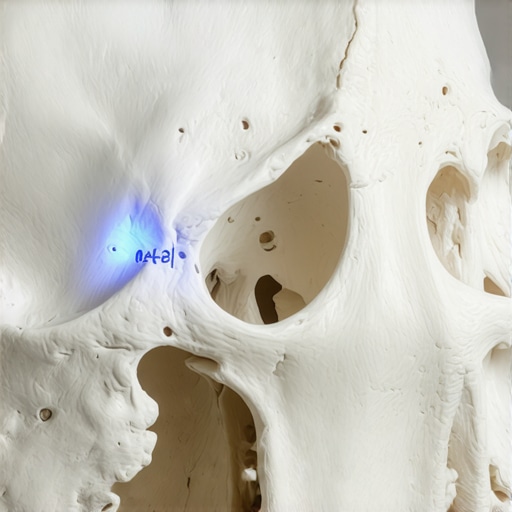
How Your Desk Setup Is Fueling Your Migraines
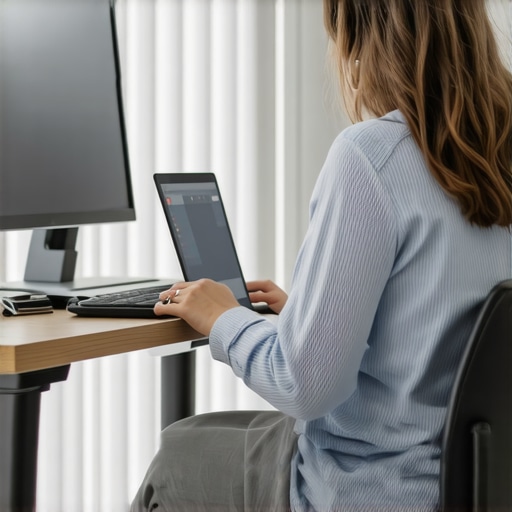
You can get the best adjustments in the world, but if you go home and hunch over a laptop for eight hours, you’re essentially undoing all the work. Your head weighs about 10 to 12 pounds—the size of a bowling ball. For every inch your head moves forward, the effective weight on your neck doubles. To combat this, you must set up your laptop for better neck alignment immediately. I personally moved my monitor up so the top third is at eye level, and it changed my life. When I feel that familiar pull at the base of my skull during a long work session, I stop and perform the 10-second posture reset you can do at your desk. This keeps the Atlas from drifting back into that ‘kinked hose’ position. Consistency in these micro-habits is what keeps the migraines at bay long-term.
The most dangerous lie I ever believed was that my neck felt stiff because it was “tight.” In the world of chronic pain, we often confuse tension with a need for mobility. I spent years as a stretching addict, pulling my head into every conceivable angle, hoping that one specific tug would finally release the pressure. But here is the contrarian truth: for most migraine sufferers, your neck isn’t too tight—it’s too loose in all the wrong places. When your Atlas shifts, your body creates “protective tension” as a splint. It’s trying to save you from further neurological damage. By aggressively stretching, you aren’t fixing the problem; you’re tearing down the only scaffolding your body has left.
Stop Stretching Your Way Into More Pain
If you find yourself constantly reaching for your own neck to “loosen it up,” you are likely caught in a hypermobility cycle. I realized that why stretching your hamstrings wont fix your chronic tightness actually explains this perfectly. When a joint is unstable, the surrounding muscles lock down. If you force those muscles to relax through aggressive stretching without fixing the underlying strategic chiropractic solutions for long-term back health, you leave your nerves exposed. This is why you feel “good” for ten minutes and then twice as stiff an hour later. You’re essentially fighting your body’s survival instinct.
Why does the relief only last for twenty minutes?
This is the advanced nuance most people miss. You get a great adjustment, the fog lifts, and then—pop—you’re back in the dark. This isn’t usually because the bone “slipped out.” It’s because of a phenomenon called proprioceptive memory. According to research in the Journal of Manipulative and Physiological Therapeutics, chronic spinal misalignment actually rewires the cerebellum’s map of your body. Your brain has spent so long in a compensated state that it perceives “crooked” as “straight.” This is the core of the truth about why your adjustments dont seem to last. To fix this, you have to address how your vision might be affecting your posture and neck pain, as your eyes and ears are constantly feeding the brain data to override your new, healthy alignment.
The Dangerous Trap of the Self-Adjustment
We’ve all done it. That quick twist of the chin to hear the “crack.” It feels like instant relief, right? Wrong. This is the biggest “oops” factor in the game. When you self-adjust, you aren’t hitting the “stuck” C1 vertebra. You are actually over-mobilizing the segments above and below it that are already hyper-mobile. You are essentially giving yourself a micro-whiplash, stretching out ligaments that are already struggling to hold your head up. Once I looked into the science behind that popping sound in your joints, I realized I was just inducing a temporary endorphin rush while physically damaging my stability. 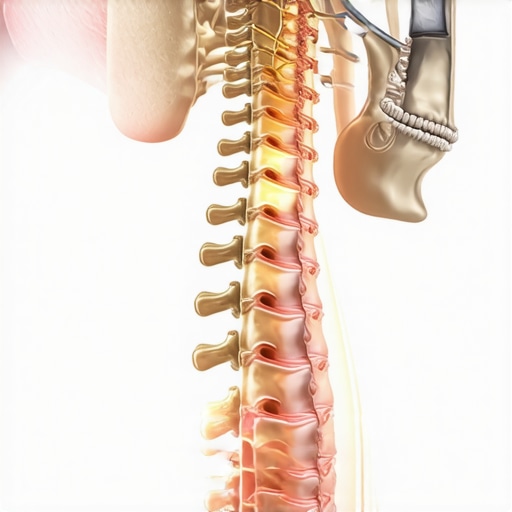
Retrain the Brain to Hold the Bone
True recovery happens when you transition from passive care to active stability. You need chiropractic techniques for faster recovery that focus on isometric strengthening of the deep cervical flexors. It’s about teaching the small muscles around the Atlas to “grip” the bone and keep it in its new, corrected home. I had to stop thinking of my chiropractor as a mechanic who just “fixed a part” and start seeing them as a coach for my nervous system. If you aren’t doing the neural re-education, you’re just renting your health instead of owning it. Have you ever fallen into this trap? Let me know in the comments.
I used to think my chiropractic visits were like a car wash—go in, get clean, and leave. But true recovery is more like maintaining a garden. If you don’t pull the weeds of bad habits daily, the beautiful alignment just gets choked out. One tool that changed my life was a contoured cervical pillow. I spent years on a flat, soft pillow that essentially forced my neck into a ‘military straight’ position all night, undoing the work of my adjustments. By using a pillow that supports the natural lordotic curve, I stopped waking up with that familiar C1 stiffness every single morning.
Building an Environment Where Your Spine Can Win
Another non-negotiable tool in my kit is a simple monitor riser. If you’re still looking down at a laptop for six hours a day, you are fighting a losing battle against gravity. I highly recommend you set up your laptop for better neck alignment by ensuring the screen is at eye level. This isn’t just about ergonomics; it’s about reducing the mechanical load on the Atlas. To supplement this, I’ve integrated diaphragmatic breathing to calm your nervous system every hour. When you breathe through your chest, your ‘accessory’ neck muscles have to lift your ribcage thousands of times a day. You might not realize how your breathing mechanics are sabotaging your core strength and pulling your upper spine into a state of constant, low-grade emergency.
How do I keep my Atlas in place for more than a week?
The secret is habit stacking. I don’t just ‘do exercises’; I link them to existing behaviors. For example, every time I finish a phone call, I perform the 10-second posture reset you can do at your desk. This prevents the ‘creep’ of forward head posture from becoming permanent. For long-term results, you need strategic chiropractic solutions for long-term back health that include regular check-ins even when you feel ‘fine.’ This is the maintenance phase—where we stop being reactive and start being proactive about our neurological health.
The Future of Alignment Is Wearable
I’m convinced the next decade of chiropractic care will be driven by real-time biofeedback and wearable tech. We are already seeing the rise of sensors that vibrate when your head tilts past a certain degree. This immediate feedback loop is exactly what the brain needs to overwrite that old, crooked ‘map’ of your body. Nobel Prize winner Dr. Roger Sperry once noted that ‘90% of the stimulation and upkeep to the brain comes from movement of the spine.’ This reinforces why keeping that movement fluid and aligned is not just about avoiding pain—it’s about optimal brain function. If your progress has stalled, I challenge you today to fix your screen height. It’s the single most effective passive change you can make right now. Stop letting your tech dictate the health of your nervous system.
The hardest truth about why relief feels so fragile at first
One thing nobody tells you when you start this journey is that your brain will actually fight your recovery. For years, your nervous system has adapted to a misaligned Atlas as its “safe” baseline. When you finally get that precision correction, your body might feel light, but your brain feels confused. I had to learn that feeling “weird” after an adjustment was actually a sign of my neural pathways recalibrating. It wasn’t that the treatment didn’t work; it was that I was finally experiencing what it felt like to have the brakes taken off my brainstem. I also realized that essential tips for managing back pain through healthy lifestyle choices weren’t just suggestions—they were the glue that held my spine together between sessions. The biggest lightbulb moment for me was accepting that structural change is a marathon, not a sprint, and that my previous attempts at “quick fixes” were actually what kept me in the cycle of pain.
Tools that finally made my new alignment stick
I stopped relying on luck and started building a fortress around my C1 vertebra. If you’re serious about ending the migraine cycle, I highly recommend looking into a high-quality cervical contour pillow; it maintains the cervical curve while you sleep, preventing the “reset” from slipping. I also became obsessed with my workspace ergonomics—I learned how to adjust your monitor to stop mid-back burning which directly reduced the tension pulling on the base of my skull. When I feel a bit of residual tingling, I don’t panic; I use a nerve gliding routine that helps relieve arm numbness and scalp tension, which keeps the signals clear. These aren’t just gadgets; they are the environmental supports that allow chiropractic adjustments to alleviate chronic back pain and migraines effectively over the long term.
Take the steering wheel back from your migraines
You don’t have to live your life in a dark room waiting for the next storm to hit. For the longest time, I felt like a spectator in my own body, watching the migraines dictate when I could work, play, or even think. By focusing on the structural foundation of the neck, you are addressing the “why” instead of just numbing the “what.” This shift toward strategic chiropractic solutions for long-term back health and neurological clarity is what finally gave me my Tuesday afternoons back. You have the power to change the map your brain uses to navigate the world. Don’t let a tiny, misaligned bone be the thing that keeps you from the life you deserve. How many years have you spent managing migraines instead of moving past them? Let me know below.