
123 456 7890
123 456 7890
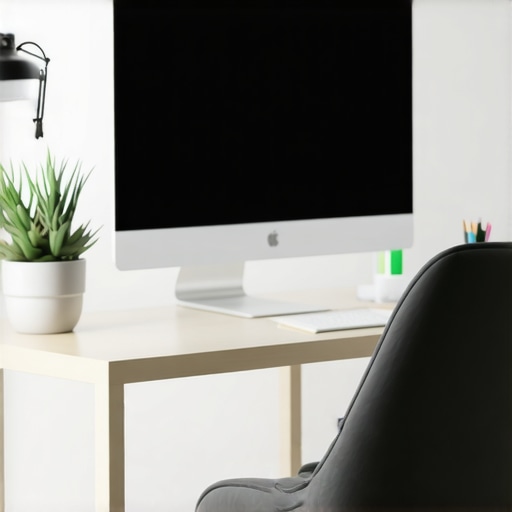
Let me be real with you. Just last month, I found myself hunched over my desk, grimacing after a long day, thinking, “Why does my back feel worse than after that intense sports rehab session I did last year?” I had made all the classic mistakes—poor monitor placement, an unsuitable chair, and a cluttered workspace—and it hit me hard. It was like my body was sending a billboard that said, “Help! I can’t hold this position anymore!”
Back pain among remote workers has skyrocketed. According to recent studies, nearly 60% of telecommuters experience persistent lower back discomfort, often ignoring it until it becomes a chronic issue. That daily grind, hours on end in awkward postures, and using makeshift setups without proper support? They all add up.
Early on, I made a rookie mistake—I thought just having a laptop on the kitchen counter would do. Spoiler: It didn’t. I brushed off ergonomic advice, thinking I could fix it later. But neglecting proper setup only compounded the pain. Now I know better, and I want to share some fixes that truly deliver. If you’re tired of feeling incapacitated after work, these adjustments could be a game-changer. For more in-depth strategies, check out this comprehensive guide.
My first attempt at correcting my posture was messy—I sat up straight, then slumped again within minutes. But I learned that consistency matters. Imagine your spine as a stack of perfectly aligned books; if one slips, the whole stack tips. To start, set your chair height so your feet are flat on the ground, knees at a 90-degree angle, and hips slightly higher than your knees. This alignment reduces strain on your lumbar discs. Use a lumbar support pillow or roll a towel to fill the natural curve of your lower back. When I finally remembered to sit back fully into my chair, not only did my pain decrease, but I also felt more focused. To see detailed positioning techniques, visit this guide.
During my trial, I noticed that even slight shifts in my pelvis could change symptoms. Keep your pelvis in a neutral position—think of tipping your hips slightly forward, avoiding both excessive arching and slumping. Use adjustable chairs that allow fine-tuning of seat depth and backrest angle. Incorporate brief standing or stretching breaks every 30 minutes to relieve pressure. Remember, these micro-movements are like micro-repairs that prevent your spinal gears from grinding down prematurely.
My desk setup was a disaster until I realized I needed to make it ergonomic. Place your monitor at eye level; I used a stack of books on my desk, which instantly reduced neck strain. Your keyboard and mouse should be within easy reach—think of them as extensions of your arms, not an afterthought. Keep your elbows close to your sides at about a 90-degree angle, like a friendly hug. A stand-up desk or a sit-stand converter can prevent the prolonged sitting that stiffens your lumbar muscles and irritates discs. When I finally elevated my monitor and adjusted my seat, my back pain subsided significantly, similar to how a sports rehab session realigns injured tissues. For a step-by-step on ergonomic adjustments, check this resource.
I learned that static postures are culprits in back pain. Incorporate movement into your routine—stand up, stretch, and walk briefly every 20-30 minutes. Use a footrest or an anti-fatigue mat if your feet don’t comfortably reach the floor. Consider ergonomic accessories like a lumbar roll or adjustable armrests for added support. Think of your workspace as a dynamic tool—like sports rehab techniques that emphasize active recovery—encouraging your body to stay in balanced motion. During my updates, I realized that even slight changes in posture during work hours could make a real difference, similar to applying targeted chiropractic adjustments that promote lasting relief. To delve deeper into effective setups, explore these strategies.
In my journey, I discovered that strengthening my core was like building an internal brace for my spine. Basic exercises like planks, bird-dogs, and bridges activate muscles that support your lower back, reducing strain. I started with short, manageable sets—holding a plank for 20 seconds, then gradually increasing. The key is consistency—think of it as a sports rehab program where incremental gains lead to a healthier, more resilient body. Implementing a daily routine, even for just five minutes, helped me avoid the cycle of flare-ups. For the best techniques to reinforce your back, visit this guide.
Incorporate targeted manual therapy sessions, like chiropractic adjustments or fascia release, to reset misalignments or soft tissue restrictions. When I scheduled regular visits, my pain episode frequency dropped—it’s akin to tuning a guitar until it resonates perfectly. A focused session can restore proper motion, much like sports rehab techniques that enhance recovery. Research shows that manual adjustments can realign your spine, relieving nerve compression and muscular tension effectively. To explore how these therapies function, consider the insights at this article.
Finally, I kept a simple journal to record what helped or worsened my discomfort. Note the postures, durations, and movements that either alleviated or exacerbated pain. Over time, patterns emerged—allowing me to make micro-adjustments. Think of it as calibrating your setup, much like fine-tuning a bicycle or sports equipment for peak performance. This proactive approach prevented setbacks and empowered me to tailor solutions as my body responded. For advanced tips, visit this resource.
Many assume that chiropractic adjustments and sports rehab techniques are straightforward solutions—quick fixes to back pain or injury. But in my experience, there’s a common misconception that needs clarifying. The truth is, most people overlook the subtle but crucial nuances that determine whether these treatments deliver long-term relief or just temporary relief. Let’s dig deeper.
A widespread myth is that a single adjustment can fix the root cause of chronic pain. In reality, while adjustments can offer immediate relief, they often need to be complemented with comprehensive strategies—like targeted strengthening, posture correction, and movement re-education—to produce lasting results. Relying solely on adjustments can trap you in a cycle of short-lived improvements, which is something I’ve seen repeatedly in many cases. For a sustainable approach, it’s essential to understand how effective adjustments work as part of a broader strategy.
Contrary to popular belief, not every chiropractic or manual therapy session is equally beneficial. Some practitioners emphasize rapid, high-velocity techniques that purportedly ‘reset’ the spine but neglect the importance of soft tissue health and movement variability. This can lead to short-term relief but often fails in the long run because it ignores underlying issues like muscular imbalances or motor control deficits. A nuanced approach integrates adjustments with soft tissue work, exercises, and neurological re-education—details that can dramatically improve outcomes. For advanced strategies on this, check out these techniques for enhanced recovery.
Another common trap is over-reliance on passive treatments. Manual therapies are valuable but should be viewed as a reset button rather than a crutch. Without active participation—like strengthening programs and movement retraining—these treatments risk being temporary. Missing this nuance is a classic mistake that delays true recovery.
Also, beware the misconception that adjustments ‘stick’ forever. The reality is that the body adapts, and posture or movement habits often revert over time. Consistent reinforcement through ergonomic modifications, exercises, and lifestyle tweaks is crucial to making improvements last. Check out this article for insight into why adjustments sometimes don’t hold.
Finally, advanced practitioners know that understanding individual variability—such as biomechanics, neural control, and tissue health—is key. A one-size-fits-all approach is a surefire way to miss the mark. Personalized assessments and tailored care plans are the gold standard for true progress. If you’re serious about long-term relief, exploring these nuances can make all the difference.
Have you ever fallen into this trap? Let me know in the comments.
Maintaining a healthier back isn’t a one-time effort; it’s an ongoing process that benefits from the right tools and consistent practices. Personally, I’ve found that integrating specific equipment and software into my routine has made a significant difference in minimizing flare-ups and promoting lasting recovery. These tools not only support immediate relief but also empower me to scale my efforts as my needs evolve, ensuring my back remains resilient over time.
Regularly shifting between sitting and standing can dramatically reduce lumbar strain. I recommend a high-quality, height-adjustable desk like the Fully Jarvis or Uplift models. I personally use the Uplift Desk because of its robust build and intuitive controls, which make it easy to switch positions seamlessly throughout the day. Using a sit-stand desk encourages dynamic movement, a principle heavily emphasized in sports rehab and chiropractic care, helping to prevent stiffness and muscle imbalances that contribute to chronic back issues.
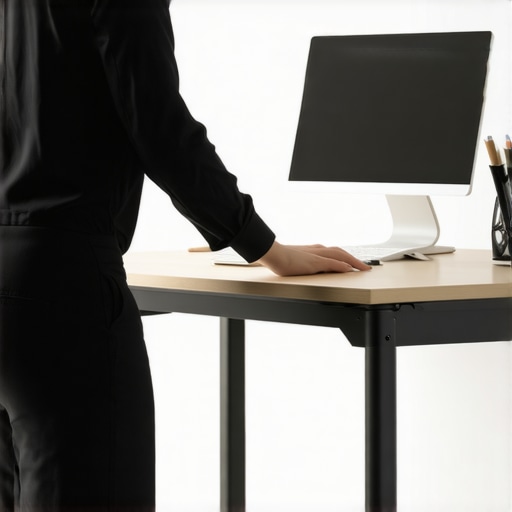
Modern technology offers real-time feedback on your posture, a game-changer for lifelong back health. I rely on apps like Upright GO, which attaches discreetly to your back and vibrates gently when you slouch. This immediate correction helps ingrain healthy habits and reduces subconscious poor positioning. Such software aligns with the movement correction techniques seen in chiropractic sessions, reinforcing proper spinal alignment even outside the clinic. For consistent improvement, I suggest setting daily goals within these apps to maintain accountability.
Foam rollers and massage balls are staples in my back maintenance toolkit. Specifically, I use a dense foam roller for my lower back and a lacrosse ball to target stubborn tight spots around the hips and pelvis. These tools facilitate self-myofascial release, a technique supported by research like the work of Stecco et al. (2014), which shows that soft tissue work can alleviate muscular tension and improve mobility—crucial factors in long-term back health. Regular sessions, about 10 minutes daily, contribute to the softness and flexibility needed for effective movement and injury prevention.
Consistency is key, and pairing manual therapies with ergonomic adjustments and strengthening routines accelerates positive outcomes. For example, after a session with my chiropractor, I implement targeted stretches and strengthening exercises recommended in this guide to reinforce progress and prevent regress.
Building a routine of advanced tools like posture monitoring apps, ergonomic furniture, and self-myofascial release maintains consistency and adaptability. The future of back health is trending toward smarter, personalized tech solutions that integrate seamlessly into daily life, providing ongoing feedback and adjustments. As these innovations develop, staying informed and proactive will be your best strategy for long-term prevention and recovery.
If you haven’t tried using a posture app or adjusting your workspace yet, start today. Implementing just one of these tools can set the foundation for sustained back wellness and help you avoid the pitfalls of neglecting your spinal health. Remember, small, consistent tweaks—much like the foundational principles of effective sports rehab—lead to lasting results.
,
One of the most profound lessons I learned was that quick fixes, like instant adjustments, are only part of the story. I used to believe that Visiting a chiropractor once would solve everything. But the real breakthrough came when I realized sustainable relief came from understanding my unique body mechanics and habits, not just the adjustments themselves.
Early on, I expected immediate results and felt frustrated when relief was slow. Through persistence, I discovered that tiny, consistent micro-adjustments—both in posture and lifestyle—yielded long-term benefits. Doing a bit each day, like mindful stretches or ergonomic tweaks, made a bigger difference than I ever imagined. This taught me that progress isn’t always visible overnight but is built on daily commitment.
Initially, I ignored subtle signals: a twinge here, a stiff feeling there. Over time, I learned to interpret these as vital feedback. Recognizing when my body was telling me to stand, stretch, or relax prevented setbacks. This attentive approach made me realize that the best tools are often the ones inside us—our instincts—guided by awareness, not just external therapies.
I depend on a few key resources to keep my back resilient. First, a reliable sit-stand desk like the Uplift Desk has been crucial in maintaining movement. I use posture monitoring apps such as Upright GO to stay aware of my alignment, which gives me real-time feedback and helps reinforce healthy habits. Foam rollers and massage balls are daily staples that release muscular tension before it becomes a problem. These tools, combined with consistent exercises, form the backbone of my ongoing care plan. For deeper insights, explore this comprehensive guide.
One misconception I shed was that all adjustments or therapies are equal. The truth is, personalized, integrated approaches that combine soft tissue work, movement education, and ergonomic strategies outperform cookie-cutter solutions. Recognizing this, I started collaborating with practitioners who prioritized a holistic view of my body—embracing nuances in biomechanics and neural control—accelerating my recovery and long-term health. To learn more about tailored strategies, visit this resource.
Now, I see back pain not as an enemy but as a signal guiding me toward smarter habits and respect for my body’s complexity. The journey continues, and I remain committed to learning, adjusting, and growing stronger every day. Remember, your body is your greatest ally—listening, adapting, and improving through consistent effort and personalized care can unlock lasting relief far beyond temporary fixes.

Leave a Reply