
123 456 7890
123 456 7890

I remember the moment when I finally understood what was causing my persistent lower back discomfort. It was during a morning run when I felt that sharp, nagging pain in my pelvis—something I had brushed off as just stiffness. But day after day, it worsened, and I realized I couldn’t ignore it any longer. That lightbulb moment led me down a path of learning about SI joint dysfunction and how simple, targeted rehab drills could make all the difference.
As runners, we’re always chasing that next PR, pushing our bodies to the limit. But what happens when your pelvis isn’t working right? SI joint pain is more common than many realize, and it can sneak up on you, sabotaging your training without warning. Left untreated, unresolved SI joint issues can lead to compensatory patterns that cause pain elsewhere, like your hips, knees, or even your spine.
The good news is, proper intervention doesn’t always require invasive procedures. Simple, effective drills can reset your pelvis and relieve long-standing discomfort. I’ve seen firsthand how these techniques can turn things around, giving you that much-needed relief and returning you to your optimal stride.
I admit, I was skeptical at first. I thought that if it wasn’t a serious injury, I could just push through. Early on, I made the mistake of ignoring those subtle signs, which only prolonged my pain. Looking back, I wish I had trusted the process and prioritized targeted exercises. For a deeper dive into how adjustments can accelerate your recovery, check out this article on effective sports rehab strategies.
Now, let’s explore the specific drills that can help reset your SI joint and get you back to feeling strong and pain-free.
Start by lying on your back with knees bent and feet flat on the floor. Place a hand on your pelvis, feeling for any asymmetry. Engage your core muscles gently, imagining tightening a belt around your waist, to stabilize the pelvis. Then, perform small pelvic tilts, rocking your pelvis back and forth, like adjusting the tilt of a tripod to find its balanced point. During my first try, I noticed a subtle wobble that I hadn’t felt before, and refining these tilts helped me sense when my pelvis was genuinely aligned.
Next, move into dynamic stretches focusing on hip and lower back mobility. For example, gently cross one knee over the opposite leg while lying on your back, then gently pull the uncrossed leg toward your chest. This twist acts like oiling tight hinges—freeing hidden restrictions. I remember struggling at first, but with patience, I could feel subtle releases in my hips, which translated into reduced pelvis instability.
Building a resilient core forms the foundation of pelvis stability. Start with bird-dogs, where you extend opposite arm and leg while on hands and knees. Visualize balancing a tray on your back—keeping it flat without wobbling. Focus on slow, controlled movements, avoiding any compensations. During my session, I noticed that maintaining neutral spine was key; quick, jerky motions only aggravated my discomfort. Incorporate these exercises consistently to build deep core strength that supports your SI joint.
Once basic movements feel steady, add resistance with mini-band exercises around your thighs during standing marches. Imagine trying to push your knees outward, engaging the outer hip muscles — like spreading a rubber band without snapping it. This strengthens the muscles responsible for maintaining pelvis alignment under load. During a messy workout, I learned that patience and gradual load increase prevented flare-ups and improved control over my pelvic position.
Finally, integrate these drills into daily routines, emphasizing mindful movement. When bending, hinge at the hips instead of arching the back—think of closing a jar lid with your hips. When standing for long periods, shift weight between legs periodically, like swaying to music, to avoid overstressing one side. These habits prevent pelvic misalignment from returning over time, and I found that regular practice cemented the gains I made from manual adjustments.
For even deeper insights into effective adjustments and to prevent back pain from recurring, explore this comprehensive guide on sports rehab strategies: here.
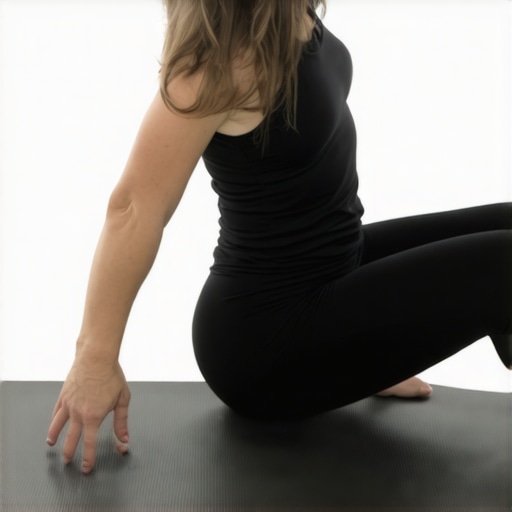 When it comes to addressing back pain and optimizing recovery, many believe that quick fixes or one-size-fits-all treatments are the answer. However, this misconception can lead to ineffective outcomes and even exacerbate issues. For example, a frequent myth is that chiropractic adjustments alone can permanently resolve complex pain patterns. While adjustments are valuable, relying solely on them without understanding underlying neuromuscular imbalances often results in short-term relief but long-term recurrence. Studies have shown that a comprehensive approach—combining adjustments with targeted rehab—is essential for sustained recovery (see https://motiontherapypro.com/effective-sports-rehab-chiropractic-adjustments-for-faster-recovery-4).
Maintaining progress after correcting back issues requires more than just exercises; it hinges on the right tools and strategies that promote stability, mobility, and injury prevention over time. One device I personally swear by is the **Foam Roller**. Not just any foam roller, but specifically a dense, high-quality one with ridges, which I use daily to release myofascial tension in my lower back and hips. This helps prevent tightness and ensures that my muscles remain flexible, reducing the risk of reinjury.
Another game-changer is my **digital posture monitor**. I rely on software like *Upright GO* that vibrates gently when I slouch, encouraging active correction throughout the day. This technology has helped me develop better habits, especially during long periods of desk work, and I recommend it for anyone looking to sustain improvements achieved through manual therapy and chiropractic adjustments.
In my experience, a consistent routine combining manual therapies, targeted exercises, and smart technology is vital. Regularly scheduled sessions with a skilled chiropractor, such as those who incorporate effective adjustments from their proven techniques, help keep my spine aligned. Complementing these visits with mobility tools like resistance bands and stability balls allows me to reinforce the gains and adapt to new challenges as my activity level evolves.
Moreover, I use apps that track my progress and remind me to perform specific drills. This systematic approach ensures that I don’t fall back into old habits and continuously build resilience. Looking ahead, I predict that integrating personalized biofeedback tools and AI-driven movement analysis will make long-term back health even more accessible and effective for athletes and active individuals alike.
For instance, resistance bands with varying tension levels allow me to progressively challenge my core and hip stabilizers without risking overexertion. I opt for rubberized, loop bands because they stay in place during dynamic drills and are gentle on the skin. Combining these with manual therapies redistributes load across my pelvis, as explained in insights from top sports rehab strategies.
Future trends suggest a surge in smart wearable devices that monitor movement quality in real time, offering actionable feedback and customizing rehabilitation protocols on the fly. Embracing these innovations will make long-term back health more sustainable and tailored to individual needs.
Start by incorporating a high-quality foam roller into your daily routine and consider investing in a posture monitor app. These simple steps can significantly enhance your ability to maintain back health and performance over the years. Don’t underestimate the power of consistent, well-informed adjustments—try the foam rolling technique I mentioned today, and feel the difference.

Image prompt: A person using a dense foam roller on their lower back in a bright, modern gym setting—emphasizing tools for back maintenance.
One profound realization was that quick fixes, like a single chiropractic adjustment, often only offer temporary relief. True recovery demands understanding the root causes, such as muscle imbalances and movement patterns. This insight pushed me to embrace a comprehensive approach, blending adjustments with targeted rehab drills, which ultimately sustained my back health.
I used to believe that pain meant I needed more rest or even invasive procedures. However, I discovered that movement, when done correctly, accelerates healing and prevents re-injury. Learning to listen to my body and engage in precise, mindful exercises was a game-changer, emphasizing that recovery is an active process.
Consistency with drills like pelvic tilts, core work, and mobility routines proved more effective than sporadic treatments. I realized that integrating these habits into daily life creates a resilient foundation, making flare-ups less frequent and easier to manage. Patience and steady effort are key to sustainable back health.
Tools like a dense foam roller, posture-monitoring apps, and resistance bands have become my allies. I trust these because they’ve provided tangible, measurable progress and empowered me to take control of my recovery. Combining these tools with expert-guided adjustments offers a holistic path to maintaining back health over the long haul.
Remember, the journey toward a pain-free back isn’t a sprint but a steady climb built on informed choices and consistent practice. Incorporate targeted drills, leverage smart tools, and stay committed—your future self will thank you. What’s one small change you’re willing to try today to improve your back health? Share below, and let’s support each other on this path.
For more insights on maintaining back wellness, explore our comprehensive guide on effective sports rehab strategies in this resource.

Leave a Reply