
123 456 7890
123 456 7890
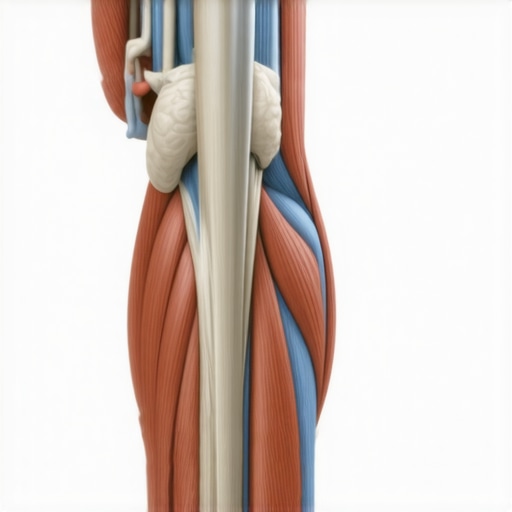
It was mid-run, and I felt that familiar twinge—just enough to make me halt painfully, fingers crossed it wouldn’t be a full-blown injury. That frustrating moment, where progress feels like it’s slipping away, hit home harder than any physio session ever could. I realized I wasn’t alone in this; many athletes and fitness enthusiasts struggle with recurring calf injuries, wondering why their efforts to heal only lead to setbacks. That lightbulb moment drove me to dig deep, exploring what actually works to break the cycle.
Recovering from a calf strain isn’t just about resting and waiting for the pain to disappear. It’s about understanding the underlying causes and applying targeted strategies to prevent re-injury. When I first started working on my rehab, I made a classic mistake—I rushed back into training without proper strength rebuilding or mobility improvements. That misstep prolonged my pain and kept me sidelined for longer than I’d hoped. The good news? Over time, I discovered three proven tactics that significantly improved my recovery and, more importantly, kept me injury-free moving forward.
Early on, I believed just stretching and waiting was enough. Spoiler alert: it’s not. The mistake I made—ignoring the importance of proper rehab techniques—cost me weeks of unnecessary downtime. If you’ve been cycling through rest and minor treatments with little lasting relief, you’re not alone. Many fall into this trap, but the right plan of action really does make a difference. Curious about what I found most effective? Stick around, because I’m about to share the top tactics that can finally help you stop re-injuring your calf—and keep you moving strong in 2026.
After my initial calf injury, I realized that retraining proper movement was critical. I started by engaging in controlled eccentric calf raises, which strengthen the muscle fibers that absorb impact during running. To visualize this, think of the calf as a trampoline; strengthening ensures it can handle jumps without sagging or snapping. Incorporating these into my routine gradually reduced re-injury risk and improved resilience, akin to how effective sports rehab drills prepare athletes for sudden loads.
Next, I focused on restoring flexibility through targeted stretching. I used calf stretches with a forward lean, holding each position for 30 seconds, ensuring I didn’t overextend. Additionally, I added ankle mobility drills like circular rotations and dorsiflexion with resistance bands. These exercises function like lubricating a hinge—improving joint movement and reducing strain. Regular mobility work, similar to mobility tools, can unlock injury prevention and faster recovery.
Recovery isn’t passive—it’s active. I scheduled rest days to allow tissues to heal while avoiding complete immobilization that leads to stiffness. Incorporating manual therapy—like foam rolling my calves and ankles—helped my muscles relax and broke down adhesions. Think of this as resetting a tense rubber band before stretching again; it ensures elasticity and prevents micro-tears. For persistent tightness, consulting a professional for techniques such as chiropractic adjustments can accelerate healing, proven effective in chiropractic care for sports recovery.
During this process, I discovered imbalances in my hips and foot alignment contributed to calf strain recurrence. Correcting these involved targeted exercises like hip bridges and foot arch strengthening. Maintaining proper posture during daily activities reduces undue calf stress, much like how ergonomic adjustments prevent back pain. To address step-specific posture corrections, tools and drills from morning fixes can empower ongoing injury resilience.
Finally, I reintroduced running and jumping drills slowly, paying close attention to any discomfort. Using a pain log helped track responses, acting like a dashboard indicating overload. I began with short, low-intensity sessions and increased volume gradationally, ensuring my calf responded well. This step mirrors proven protocols in ACL rehab strategies, emphasizing cautious load management to prevent setbacks.
Many practitioners and patients alike cling to the belief that quick fixes or standardized protocols are sufficient for lasting recovery. Contrary to popular myths, simply following generic stretching routines or relying solely on adjustments without addressing underlying movement patterns can be counterproductive. Strategies like integrating advanced chiropractic adjustments combined with personalized rehab exercises have shown to create more sustainable results.
Many assume that frequent spinal adjustments alone will resolve chronic back pain or athletic injuries. However, this approach can lead to a false sense of security and neglect crucial lifestyle or movement factors. For instance, habitual poor posture or imbalanced training loads often persist despite regular adjustments, which highlights the importance of addressing postural habits and biomechanics. Proper education on ergonomics and movement correction, like those discussed in morning posture fixes, is vital for long-term relief.
It’s a common mistake to treat immediate pain without exploring the deeper causes, such as muscle imbalances or neural restrictions. A comprehensive assessment often reveals hidden issues that, if unaddressed, will cause recurrences. Integrating proper rehab drills and mobility work alongside adjustments can prevent these setbacks. This nuanced approach is backed by research indicating that an integrated, multi-modal protocol accelerates recovery and stability.
One of the most pervasive misconceptions is that all injuries or back pains respond uniformly to adjustments or therapy. In reality, each individual’s biomechanics, lifestyle, and injury history require tailored treatment plans. For example, an athlete with a history of ankle sprains might need specific stabilization exercises, as shown in ankle rehab protocols. Recognizing these differences leads to more effective and lasting outcomes.
Jumping into aggressive adjustments or rehab exercises without a proper diagnosis can worsen the condition. For instance, performing deep manipulations without understanding the underlying joint mechanics can cause microtrauma or exacerbate existing issues. Always seek practitioners who combine manual therapies with functional assessments and individualized plans, ensuring adjustments complement movement correction—more on this approach can be found in effective chiropractic care for sports injuries. Remember, caution and personalized care are your best allies for sustainable recovery.
In conclusion, understanding the nuanced differences between surface-level treatments and effective, root-cause solutions can significantly improve your recovery outcomes. Don’t fall prey to simplistic myths—dig deeper, ask the right questions, and seek tailored strategies that combine adjustments with active rehabilitation. Have you ever fallen into this trap? Let me know in the comments.
In terms of software, I use targeted mobility and rehab apps tailored for sports recovery. They provide customized routines, track progress, and remind me to stay consistent with my daily drills. Regular monitoring is key, and these digital tools help visualize improvements, giving me confidence to push forward steadily.
Looking ahead, I predict that integrating smart wearable technology—like biofeedback sensors—will become increasingly commonplace. These devices can analyze muscle activation patterns in real-time, enabling personalized adjustments and early detection of imbalance before pain manifests. Staying ahead of potential issues through technology is truly a future-forward approach to health maintenance.
If you’re serious about long-term results, I recommend integrating advanced mobility tools like the mobility tools. They’ve revolutionized my rehab approach by reducing recovery times and enhancing functional strength. As research indicates, such proactive strategies can dramatically reduce the recurrence of injuries, especially when combined with professional adjustments and personalized rehab protocols.
Want to take your recovery to the next level? Pick one tool I mentioned—perhaps a foam roller or resistance band—and commit to using it consistently for two weeks. Watch how your mobility and stability improve, and you’ll see the payoff of investing in these specific, evidence-backed tools.
Over the years, I’ve discovered that the key to truly overcoming back pain and recurring injuries isn’t just in quick fixes—it’s about understanding the subtle, often overlooked factors that influence our recovery journey. These insights have transformed my approach, and I believe they can do the same for you.
One profound realization was that relying solely on chiropractic adjustments without addressing underlying movement habits can lead to temporary relief but long-term setbacks. I used to think that getting my spine realigned was the magic solution, but I learned that true progress comes from integrating functional exercises that reinforce proper biomechanics. This shift in mindset made me realize that sustainable recovery requires patience and a comprehensive approach.
It’s tempting to treat symptoms as isolated issues, but I uncovered that imbalances in hips, feet, and posture often silently cause the same problems to reappear. Connecting the dots between these imbalances and back pain changed my perspective. Incorporating targeted exercises for these areas—like hip bridging and foot arch strengthening—proved invaluable, illustrating that fixing the root cause is essential for lasting relief.
Recovery isn’t a one-time event—it’s an ongoing process. I’ve come to rely on logical tools such as foam rollers, resistance bands, and mobility devices to reinforce my progress daily. These tools act as my personal army against setbacks, keeping my body resilient and adaptable. Plus, integrating digital resources like mobility apps helps me stay committed and monitor my improvements, a habit I highly recommend for anyone serious about long-term back health.
While adjustments are often portrayed as the ultimate fix, I’ve learned that their true power lies in how they complement active exercises and lifestyle changes. Addressing poor posture habits during daily activities, and ensuring strength and flexibility routines are part of your plan, creates a synergy I wish I embraced sooner. This comprehensive strategy minimizes regressions and maximizes recovery speed.
Keep in mind that understanding these nuanced aspects of back care—beyond the quick fixes—empowers you to take control. Every adjustment, exercise, and habit you adopt accumulates into a resilient foundation that supports your active lifestyle. Remember, recovery is a marathon, not a sprint, and your dedication today is an investment in countless pain-free tomorrows.
Are you ready to shift your approach and prioritize long-lasting back health? Share your experience or questions below—I love hearing your stories and insights!

Leave a Reply