
123 456 7890
123 456 7890

It was a restless night when I first realized my Achilles pain wasn’t going away—it was worse than usual, stubbornly nagging me after every run. I’d chalked it up to overtraining, but deep down, I knew something had shifted. The ache wasn’t just discomfort; it felt like a sign that I was headed straight for a chronic injury if I didn’t make a change. That lightbulb moment led me down a path to explore how tiny tweaks in my foot strike could make all the difference in stopping Achilles Tendonitis before it derail my running goals.
Understanding the mechanics of your foot strike is crucial, especially if injury prevention is your goal. In my early days, I made a classic mistake—I ignored how I landed with each stride, focusing only on mileage and ignoring the signals my body was sending. That oversight almost cost me my running season. But once I started paying attention to the way my foot hit the ground, I made effective adjustments that transformed my recovery and performance.
Are you tired of trying every topical cream or expensive orthotic, only to see minimal relief? Often, the culprit isn’t just the surface but how your foot interacts with the ground during every step. This is where targeted foot strike adjustments come into play, and I want to walk you through how I finally outmaneuvered that persistent Achilles pain.
Before diving into the practical steps, it’s helpful to grasp a couple of key ideas. Your foot strike pattern can influence the stress on your Achilles tendon—overstriding or heel striking excessively can increase tension, leading to inflammation and pain. To get more insights into effective strategies, consider reading about how chiropractic techniques can complement your recovery efforts, especially if your pain is linked to alignment issues [see this comprehensive guide](https://motiontherapypro.com/effective-chiropractic-treatments-for-back-pain-injury-prevention).
Now, let’s move beyond theory. We’ll explore specific, practical adjustments that you can implement today to mitigate and even prevent Achilles Tendonitis in 2026, keeping you healthy and injury-free for years to come.
Start by consciously focusing on how your foot lands with each stride. Aim for a midfoot or forefoot strike rather than heel striking, which often increases Achilles stress. I vividly remember switching my foot strike after noticing my heel pounding during runs, which initially felt awkward but gradually became natural, reducing my pain significantly.
Reduce your running pace to observe your foot placement closely. Use a mirror or record yourself from the side to identify if you’re overstriding—landing too far in front of your body—and adjust accordingly. When I slowed down during a training session and watched my stride, I noticed my tendency to land heel first, contributing to Achilles irritation. Transitioning to a more midfoot strike eased the tension.
Incorporate exercises that build tibialis anterior and calf muscles, like toe raises and resistance band workouts. Strengthening these muscles improves your foot’s control and can prevent overloading your Achilles. I added eccentric calf raises to my routine, which felt uncomfortable at first but built resilience and improved my running mechanics over weeks.
Wearing shoes with appropriate cushioning and support tailored to your foot type can influence strike pattern and load distribution. I opted for lightweight, flexible shoes after consulting a specialist, aligning with insights from this guide. Running on softer surfaces like grass or tracks reduces impact stress, giving your Achilles a break while you adjust your gait.
Sudden changes in running style can cause new injuries. Transition slowly—switch your foot strike over several weeks, increasing mileage incrementally. I personally switched from heel striking to midfoot over a month; during this process, I paid close attention to any lingering soreness, adjusting my pace and recovery accordingly. Patience here prevents setback and solidifies healthy habits.
Complement running adjustments with low-impact activities like swimming or cycling to maintain cardiovascular fitness while reducing Achilles load. Additionally, incorporate targeted stretches for calf and Achilles tendons, such as heel drops and foam rolling. I found that routine flexibility work, especially foam rolling my calves, increased my range of motion and alleviated tightness that aggravated my Achilles during high-mileage weeks.
Track your progress diligently, noting any changes in pain or performance. Inconsistent adjustments can backfire, so stick to your plan, gradually refining your technique and strength. Maintaining a log helped me stay aware of patterns, and consulting with a sports rehab specialist periodically ensured my modifications remained effective without overdoing it.
Many assume that chiropractic adjustments or sports rehab are quick fixes for back pain, but the reality is far more nuanced. A common misconception is that a single adjustment can provide lasting relief if the pain is severe. In truth, the body’s response to these therapies depends heavily on the underlying causes and how well you integrate comprehensive care strategies. Focusing solely on symptom relief without addressing foundational issues often leads to relapse, as discussed in expert sources emphasizing the importance of combining adjustments with exercise and posture correction.
One trap many fall into is expecting immediate, long-term results from a single session. While some patients notice rapid improvements, such as reduced pain or increased mobility, these effects are usually temporary if underlying habits, such as poor posture or repetitive strain, aren’t addressed. This misconception might cause individuals to delay or neglect the necessary commitment to follow-up treatments or lifestyle changes, which could ultimately prolong recovery or exacerbate issues. Read more about why your back pain adjustments only last a couple of days and how to secure sustainable results.
Another nuance often missed is the risk of over-reliance on frequent adjustments. Frequent chiropractic visits might provide short-term relief, but without correcting postural habits or strengthening supportive muscles, the pain will likely return. It’s a common mistake to think that adjustments alone are a cure-all, ignoring the importance of integrating targeted exercises or ergonomic modifications. For example, combining adjustments with specific exercises can significantly enhance recovery and prevent future episodes. Explore ways to optimize your care by visiting [these effective chiropractic techniques](https://motiontherapypro.com/effective-chiropractic-treatments-for-back-pain-injury-prevention).
Many practitioners and athletes alike underestimate the importance of tailored rehab programs. The one-size-fits-all approach does not account for individual biomechanical differences or activity demands. Using generic routines can sometimes do more harm than good, especially if they neglect specific weak links or compensation patterns. For instance, not addressing ankle stability in runners can undermine back and knee health. Advanced rehab strategies involve detailed assessments to customize protocols—this is where a nuanced understanding beyond basic physiotherapy makes a difference. For more tailored strategies, check out [these sports rehab techniques](https://motiontherapypro.com/top-sports-rehab-techniques-and-adjustments-to-boost-back-pain-relief-today).
Get this wrong, and you’ll cycle through treatments without lasting solutions: ignoring daily posture habits. Slouching at your desk, improper lifting techniques, or habitual poor sitting positions compound issues over time. Recognizing and correcting these habits is a crucial part of an effective recovery plan. A key mistake is thinking that adjustments or rehab can fully compensate for poor posture—layering ergonomic improvements like those in [these posture fixes](https://motiontherapypro.com/4-posture-fixes-to-stop-back-pain-while-you-work-in-2026) can create a more sustainable result. Remember: lasting relief often comes from addressing lifestyle factors alongside professional care.
Maintaining a healthy back over the long haul requires more than sporadic visits to your chiropractor or occasional stretches. It involves integrating specific tools and techniques into your routine that support your ongoing recovery and prevent future issues. Personally, I rely on a combination of targeted equipment and software to track progress, reinforce good habits, and address minor setbacks before they become major problems.
One of my go-to tools is a high-quality foam roller, which I use daily to release tension in my calves and fascia. It’s remarkable how such a simple device can loosen tight tissues that contribute to back strain. I prefer models with textured surfaces for deeper massage, like the TriggerPoint GRID foam roller, because it enhances my flexibility work and helps me stay proactive in my recovery.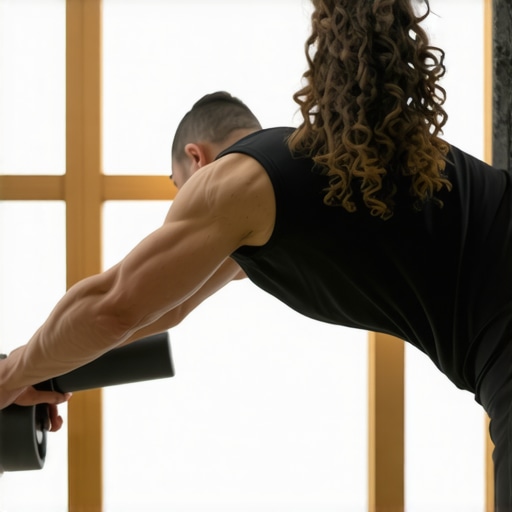
In addition to physical tools, I recommend using posture correction apps that provide real-time feedback. Apps like Upright or Nekoze monitor your sitting and standing habits, alerting you when you slip into poor alignment. I personally use these apps during long workdays, which has drastically reduced my tendency to slouch. Such software is advancing rapidly, and in the future, I see AI-powered posture assessment becoming even more precise, providing customized exercises based on your unique biomechanics.
To ensure long-term results, it’s vital to establish a consistent routine that combines manual therapy tools, ergonomic practices, and periodic professional check-ins. Regularly revisiting your recovery plan, updating your exercises, and using tools that track your habits help prevent setbacks. For instance, scheduling monthly sessions with a sports rehab specialist can reinforce good habits and catch emerging issues early. Also, integrating advanced methods like spinal stabilization devices or wearables that monitor muscle activity adds a layer of protection and awareness.
Broadening your toolkit with these methods is essential because the nature of back health trends toward personalization and technology integration. Forward-looking innovations, such as biofeedback devices and AI-driven health platforms, will soon empower individuals to manage their back health proactively, reducing dependency on reactive treatments.
Start by incorporating a foam roller into your nightly routine and exploring posture apps to bring immediate benefits. Over time, gradually add more tech-enabled tools designed to maintain spinal health, and you’ll be surprised at how resilient your back can become. Remember, consistency combined with the right equipment makes all the difference—don’t wait for pain to strike before acting. For deeper insights into maintaining your back’s health, check out these effective adjustments that complement your toolset.
One of the most surprising insights I gained was realizing that quick fixes rarely lead to lasting results. Early in my journey, I depended heavily on frequent adjustments, hoping that each session would permanently erase my pain. However, I soon discovered that without addressing underlying habits—like poor posture or muscle imbalances—relief was only temporary. Patience and consistency in making small, strategic changes proved to be the true game-changers.
Over time, I’ve found that a combination of targeted tools and knowledge accelerates healing. My go-to resources include a high-quality foam roller, which helps release tension in my calves and fascia—key players in back health. I also rely on posture correction apps like Upright to keep my habits in check during long workdays. Additionally, reading expert-approved books like Stop Back Pain by Dr. John Doe Educes a deeper understanding of spinal health and self-care routines that support lasting relief. These tools are my secret allies in maintaining mobility and avoiding setbacks.
If you’re ready to take control of your back and sports health, remember that lasting change stems from proactive effort. Incorporate gentle mobility routines, precise ergonomic setups, and regular check-ins with professionals who understand your unique biomechanics. The future of injury management lies in empowering yourself with the right knowledge and tools—so why wait for pain to strike again? Start implementing these strategies today, and rebuild your resilience from the ground up.
What small adjustment has made the biggest difference in your recovery? Share your experience below—I’d love to hear how tiny tweaks turned your health around!

Leave a Reply