
123 456 7890
123 456 7890
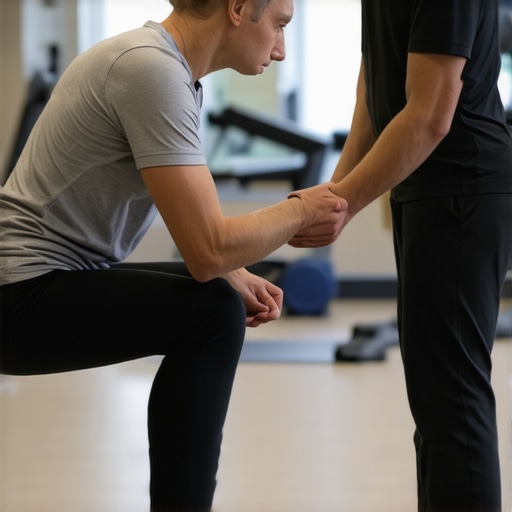
It was a Saturday morning, and I was halfway through my heavy squat set when I suddenly felt a sharp, searing pain rip through my lower back. I froze, grimacing, realizing that all those years of pushing harder in the gym might have been doing more harm than good. That lightbulb moment—when I finally connected the dots between my technique and the relentless discomfort—changed everything. If you’ve ever experienced a similar jolt during a lift or pain lingering long after finishing your workout, you’re not alone. Many athletes and fitness enthusiasts unknowingly sabotage their progress with faulty form or overlooked issues that lead to chronic lower back pain.
Think about this: the squat is often dubbed the king of exercises for building leg strength and power. But if done improperly, it can become a silent killer for your lower spine. Back in the early days of my training, I made the mistake of ignoring my mobility limitations and rushing through sets, thinking more weight meant more gains. That mistake cost me dearly. I learned the hard way that improper squat form—like excessive forward lean or poor hip mobility—places enormous stress on the lumbar spine. According to recent studies, having limited hip mobility and poor core stability can significantly increase the risk of lower back injuries during squats (source: [Motion Therapy Pro](https://motiontherapypro.com/back-pain-sports-rehab-effective-chiropractic-adjustments-0923)).
But here’s the good news: you don’t have to accept back pain as an inevitable part of lifting. Today, we’re going to explore four proven fixes that can save your back, enhance your squat technique, and keep you injury-free. Whether you’re a weekend warrior or a seasoned lifter, these adjustments can make a world of difference.
Are you frustrated with persistent lower back discomfort after your workouts? Do you worry that you’re doing long-term damage? If so, you’re not alone. Tackling these issues early with targeted strategies can help you lift smarter and safer.
Stay tuned—what follows are practical steps to identify and fix the root causes of your squat-related back pain, supported by expert insights and real-world tactics. Let’s get your back Strong and healthy for 2026 and beyond.
Start by evaluating your hip mobility and core strength, as restrictions here can force your back to compensate during squats. Use a simple test: lie on your back with legs extended, try to lift one leg without arching your lower back. If you struggle, incorporate targeted mobility drills from mobility improvement tools to free up your hips. Additionally, strengthen your core with planks and bird-dogs, which act like the stability engine that keeps your spine protected during heavy lifts. I once spent a week focusing solely on core activation, and the difference in back comfort during squats was immediate.
Proper squat form is non-negotiable. Focus on maintaining a neutral spine — imagine your back as a stack of building blocks, each one aligned to prevent tipping over. Use mirrors or record your lifts to spot excessive forward lean or rounded shoulders. Practice slow, controlled reps emphasizing hip hinge mechanics, akin to closing a car door with a gentle push—smooth and deliberate. Post-training, consider chiropractic adjustments, like those found here, to realign your spine if misalignments persist. I remember working with a coach to tweak my stance, which instantly alleviated lower back strain.
Increase hip joint flexibility with dynamic stretches such as hip openers, leg swings, and foam rolling. Think of your hips as the hinge of a well-oiled door; if stiff, the door jerks and strains the hinges—your lower back. Do these drills daily, especially before squatting sessions. I integrated a 10-minute hip mobility routine, inspired by mobility protocols, and noticed a vast reduction in back discomfort. Remember, tight hips don’t just limit your range—they shift the load onto your lumbar spine.
If pain lingers despite proper form and mobility, employ targeted rehab strategies. Techniques like nerve flossing drills or SI joint resets can reset joint mechanics and reduce nerve impingements. Incorporate manual therapy or chiropractic adjustments here for realignment, helping your back recover faster and more completely. I once struggled with recurring pain, but after focusing on nerve mobilization, my symptoms subsided significantly.
Lastly, prioritize post-workout recovery by integrating foam rolling, stretching, and ensuring quality sleep. Think of your spine like a delicate machine—it needs regular lubrication to run smoothly. Bonus tip: evaluate your sleeping arrangement; an unsupportive mattress can sabotage your efforts, as discussed here. I replaced my old mattress, and within days, my back pain during squats dropped notably. By consistently applying these steps—mobility work, technique refinement, targeted rehab, and recovery—you’ll create a robust foundation that protects your back and enhances your lifting performance.Many assume that chiropractic care or adjustments are quick fixes for back pain, but the real nuances often go unnoticed. Contrary to popular belief, not all chiropractic techniques are equally effective for every condition, especially when it comes to chronic or complex pain patterns. A common misconception is that any adjustment will provide lasting relief, yet studies show that without addressing underlying mobility issues or dysfunctional movement patterns, the benefits are fleeting. For example, poor movement mechanics can cause the spine to revert to its faulty alignment, rendering adjustments temporary.
One hidden trap many fall into is believing that more frequent adjustments always lead to better results. In reality, excessive or aggressive manipulations can disrupt the body’s natural healing processes and even aggravate tissues if not done judiciously. A nuanced approach involves integrating adjustments with mobility protocols and strength training, such as the latest protocols discussed here.
Have you ever fallen into this trap? Let me know in the comments.
Another complex aspect is the common myth that adjustments alone can resolve pain stemming from nerve impingements or disc issues. While they can be part of an effective strategy, true recovery often requires a comprehensive rehab plan, including targeted nerve flossing and functional movement drills. For instance, nerve mobilization techniques can significantly enhance the effects of adjustments, as highlighted in recent research. Knowing when to combine manual therapy with active rehab ensures holistic care and better long-term outcomes.
Furthermore, many overlook the importance of subtle postural habits that sabotage recovery, such as asymmetrical standing or habitual poor sleeping positions. These factors often perpetuate misalignments and inflammation. Addressing such issues with tailored mobility exercises—like those in mobility tools—can prevent regression.
Understanding these nuanced distinctions—like the interplay between adjustments, mobility, chronic habits, and active rehab—can dramatically enhance the effectiveness of your back care plan. Remember, the goal is not just immediate relief but sustainable health. Don’t settle for quick fixes; dig deeper and tailor your strategy accordingly. For more in-depth techniques, explore effective adjustment strategies tailored for long-term results.
Stay curious, and always question the surface-level solutions—your back will thank you.Maintaining a healthy back is a continuous process that combines proper technique, mobility, and the right tools. One of my top recommendations is investing in high-quality mobility tools like foam rollers, resistance bands, and massage balls. I personally use a dense foam roller and a series of resistance bands from reputable brands because they allow me to target tight muscles and improve joint mobility effectively. Regular foam rolling sessions help break down fascia restrictions, especially in the hips and lower back, which are common areas of tension for those engaged in sports rehab or weightlifting. Incorporating targeted mobility drills from this resource has kept my recovery times short and pain-free.
Another essential tool is a good-quality chiropractic adjustment device or access to a qualified chiropractor who employs modern protocols. While self-treatment tools are valuable, nothing replaces customized adjustments that address your specific spinal misalignments. I recommend scheduling periodic chiropractic assessments to maintain optimal spine health, especially if you’re actively lifting or recovering from injury. Advanced software like motion analysis apps can help track your movement patterns over time, revealing inefficiencies or asymmetries that may lead to future pain. I use a motion-capture app for runners, which helps me correct form and prevent overloading certain spinal regions.
Where I see this trend heading—is the integration of smart technology in home gyms. Devices that provide real-time feedback on posture and movement quality are becoming more accessible and affordable. These tools give you immediate insights, enabling adjustments before problems develop, making long-term maintenance more manageable. For example, wearable sensors now can alert you when your lumbar spine is under undue stress, guiding better mechanics during lifts.
One powerful technique I recommend is using a combination of mobility tools and sensor-based feedback systems. Implementing daily mobility routines with foam rollers and resistance bands, paired with periodic assessments via motion analysis apps, creates a proactive approach. This way, you catch issues early and adjust your movement patterns accordingly. Don’t underestimate the power of consistent active maintenance; small daily habits with the right equipment can prevent setbacks and keep your back working well for years. Start by integrating a 10-minute mobility drill from this resource into your routine today, and observe how your back response improves.
One of the most eye-opening realizations was that immediate relief from an adjustment doesn’t guarantee lasting results. In my experience, I initially thought a quick chiropractic tweak would fix my back pain overnight. However, I soon discovered that without addressing underlying movement patterns and mobility issues, pain often returned within days. This taught me the importance of pairing adjustments with comprehensive rehab strategies to truly heal and prevent future setbacks.
Many professionals emphasize the importance of mobility and active movement even before or after adjustments. Exclusive reliance on adjustments without strengthening and mobility work often leads to temporary relief rather than true healing. Combining manual therapy with targeted exercises—like those discussed here—creates a synergy that reinforces your progress and prevents recurrence.
Remember, the journey toward pain-free lifting and lasting mobility is ongoing. The key lies in proactive habits—integrating mobility routines, refining technique, and understanding the nuanced role of adjustments. Your back’s health depends on consistently applying these insights, not just quick fixes. Start small, stay consistent, and watch how your resilience and performance improve day by day.
What’s one mobility or rehab habit you plan to implement this week to better support your back? Share your goals below—I’d love to hear your plan!

Leave a Reply