
123 456 7890
123 456 7890
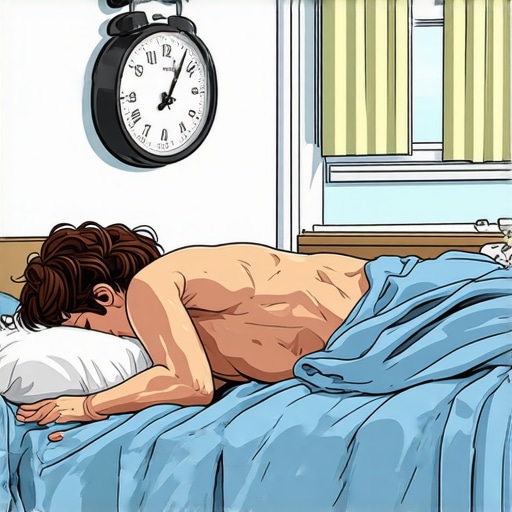
It was a restless night, and I woke up feeling more crooked than when I went to bed. As someone who’s dedicated to maintaining a healthy spine, I knew I had stumbled into a common trap. That painful jam in my neck wasn’t just a bad sleep; it was a warning sign that I was unknowingly derailing my progress with my spinal care. Have you ever experienced that frustrating feeling—waking up worse than you went to bed despite all your efforts? If so, you’re not alone. And the good news? Once I pinpointed the mistakes I was making during sleep, everything changed.
Getting quality sleep isn’t just about feeling rested; it directly impacts how well your spinal adjustments last. I used to shrug off the importance of sleep posture, thinking, “A bad night isn’t that big of a deal.” But early on, I made the mistake of ignoring how my sleeping habits compromised my progress. It’s easy to overlook, but your sleeping environment and habits are crucial to maintaining a healthy spine.
I remember a time when I dismissed the idea that sleep habits could affect my spinal health. I believed that adjustments would hold, no matter how I slept. Boy, was I wrong. I used to think that just going to bed early was enough—until I realized that tossing and turning or sleeping on the wrong side was undoing overnight progress. Studies show that poor sleep quality can affect pain perception and tissue recovery, making adjustments less effective (Source: National Institute of Neurological Disorders and Stroke). Recognizing this, I started paying closer attention to how I slept, and your experience might be similar.
If you’ve faced persistent back or neck discomfort even after adjustments, it might be time to mull over your sleep habits. Are you sleeping in a way that supports your spine or sabotages it? From my personal journey, I can tell you that small changes in sleep position, mattress choice, and bedtime routines made a significant difference. Ready to dive into what might be sneaky mistakes hiding in your nightly routine? Let’s explore how to fix these sleep blunders once and for all.
Start by choosing a sleep posture that supports your spine. I personally found sleeping on my back with a cervical pillow helped maintain proper neck alignment. Avoid sleeping on your stomach, which twists the neck and strains the cervical spine. To implement this, place a small pillow under your knees if you sleep on your back, reducing compression on your lower back. For side sleepers, a firm pillow between the knees prevents pelvis twisting, preserving spinal neutrality. Switching to this setup took a messy week of trial and error, but within days, I noticed less morning stiffness.
Not all mattresses are equal—many are too soft, causing the spine to sag, or too firm, creating pressure points. I replaced my sagging mattress with a medium-firm one that contours to my body’s curves, keeping my spine aligned. Test your mattress by lying down for 10 minutes; your body should feel supported but not restricted. A poor choice can undo chiropractic work faster than you think, like tugging on a loose screw after a fix. If your current bed isn’t supporting your sleep position, consider a [firmness evaluation](https://motiontherapypro.com/why-your-mattress-is-trashing-your-spine-4-fixes-for-2026) to find the best fit.
Consistent routines signal your body to relax and repair. I started turning off screens 30 minutes before bed, replacing it with gentle stretching and breathing exercises. Avoid caffeine and heavy meals close to bedtime; instead, opt for calming teas or warm milk. The key is to create a habitual wind-down, akin to tuning an instrument before a performance, ensuring your muscles and joints relax optimally. This routine directly influences sleep quality, which in turn supports the durability of your adjustments.
Keep your sleeping area dark, cool, and quiet. I used blackout curtains and a white noise machine to minimize disruptions. These sound trivial but prevent micro-awakenings that can hinder tissue repair. Additionally, limit fluid intake before bed to reduce nocturnal movements. A stable environment translates into better sleep cycles, signifying less stress on your spine overnight. For more on creating this sanctuary, visit [sleep environment adjustments](https://motiontherapypro.com/why-your-mattress-is-trashing-your-spine-4-fixes-for-2026).
Many people believe that pain relief and quick fixes are the hallmarks of effective sports rehabilitation or chiropractic care, but the truth runs much deeper. A common misconception is that once you receive an adjustment, your issues should resolve completely and permanently. In reality, this overlooks a crucial nuance: the interaction between spinal corrections and daily habits. For example, some practitioners focus solely on adjustments without addressing underlying postural habits that sabotage progress over time. This narrow focus can lead to temporary relief but fails to produce lasting results.
One key reason is neglecting the role of movement patterns and muscle balance. A study published in the Journal of Manipulative and Physiological Therapeutics emphasizes that combining adjustments with targeted mobility drills yields more sustainable improvements. For instance, simple exercises like those detailed in better spinal drills for runners can make a significant difference.
Another critical mistake is believing that pain is solely a structural issue. Many think that if the bones are realigned, the pain will vanish. However, pain often stems from neural or muscular dysfunctions that require more nuanced intervention. Relying only on chiropractic adjustments without integrating soft tissue work or biomechanical assessments can cause a cycle of temporary relief followed by recurrence. Understanding that the nervous system and muscular patterns play pivotal roles is essential for lasting outcomes.
Common myths also include the idea that rest is always the best approach. In fact, excessive rest can contribute to stiffness and muscle weakness, undermining recovery. Advocates now emphasize active recovery and stability exercises, which fight the misconception that back pain invariably warrants immobilization. Visit here to learn how daily habits interfere with spinal health.
Finally, one trap to avoid is treating symptoms instead of causes. Immediate pain might subside after an adjustment, but if postural and lifestyle factors aren’t addressed, the pain often returns. For example, a repetitive movement or improper sleeping position can undo the hard work in the clinic or gym. Recognizing these hidden triggers ensures a more comprehensive approach to recovery.
If you’ve ever fallen into this trap of thinking only adjustments suffice, you’re not alone. The real secret lies in understanding that lasting back health requires a multi-faceted strategy—combining chiropractic care with movement, posture, and lifestyle changes. Want to dig deeper? Explore how routines and habits can accelerate your progress by checking out the comprehensive post on posture habits harming your spine. Have you ever encountered setbacks because of overlooked nuances? Let me know in the comments.Maintaining your spinal health over the long haul requires more than just good habits; it involves using the right tools and techniques to optimize your recovery and prevent setbacks. Personally, I rely on a combination of equipment and software that help me monitor, adjust, and fine-tune my routine. One of my go-to devices is a **smart posture tracker** like the Upright GO, which I wear throughout the day to receive real-time alerts when I slouch or develop poor posture habits. This immediate feedback encourages conscious corrections, reducing the strain on my spine and reinforcing better movement patterns.
In addition to wearables, I utilize **muscle activation and strengthening tools** such as resistance bands and foam rollers. Resistance bands are excellent for targeted strengthening exercises—I’ve found that incorporating controlled isometric holds with these bands significantly improves muscle balance around my core and back, contributing to longer-lasting adjustments. Foam rollers, especially those with textured surfaces, are indispensable for myofascial release, which helps diminish trigger points and maintains tissue pliability.
For digital tracking and program adjustments, I depend on **specialized apps and online programs**. Apps like Physiapp provide guided routines tailored to my current needs, whether it’s improving mobility or stabilizing weak areas. They also help me progressively increase intensity while avoiding overtraining—crucial for preventing reinjury or regression.
Looking ahead, the trend points toward **integrating AI-powered biofeedback systems** that adapt exercises and postural cues dynamically based on real-time data. Devices such as smart insoles or neck sensors are evolving to offer more personalized insights, making long-term management more precise and effective.
Many of these tools work best when used consistently, but how do you keep your regimen sustainable over time? Regularly updating your equipment and software to new versions ensures you always have the latest features and improvements. For example, periodically replacing a worn resistance band or calibrating your posture tracker can make a noticeable difference. Additionally, aligning your tool use with the advice found in comprehensive guides—like those on restoring spinal health with advanced methods—ensures your efforts are both safe and effective.
To truly optimize your rehab journey, consider incorporating a **daily posture monitoring routine** with a device like the Upright GO. Start by setting hourly reminders to check your alignment and make small corrections—these little habits compound into significant long-term benefits. If you want to deepen your practice, explore integrated apps that offer tailored drills and progress tracking; they can provide that extra layer of accountability.
Remember, the goal isn’t just quick fixes but creating a sustainable system that adapts as your body changes. Combining smart tools, targeted exercises, and consistent habits will empower you to stay on top of your spinal health for years to come. Want to see faster progress? Try setting up a daily 5-minute posture check with your device and note any improvements in your comfort and recovery speed.
Throughout my journey with sports rehab and chiropractic care, I discovered that some of the most impactful lessons stemmed from letting go of misconceptions and embracing nuanced approaches. One of the hardest lessons I learned was that immediate relief isn’t the same as lasting healing; real progress often requires patience and a deeper understanding of how habits influence outcomes. I also realized that reliance solely on adjustments without addressing lifestyle factors can create a cycle of temporary improvement, which can be disheartening. Recognizing the importance of integrating movement, posture, and recovery into my routine made me appreciate the complexity and resilience of the human body. Lastly, I learned that using smart tools and continuous education elevates recovery strategies from guesswork to precision, empowering me to maintain spinal health long-term.

Leave a Reply