
123 456 7890
123 456 7890

I’ll never forget the moment I realized my stubborn SI joint pain was sabotaging my daily workouts. It was during a particularly intense lunge session when I felt that familiar twinge spike through my lower back, forcing me to stop in my tracks. Frustration bubbled up as I wondered why simple moves like lunges were turning into nightmare episodes. That lightbulb moment led me down a path of trial, error, and finally, relief.
Many people overlook the importance of hip mobility when it comes to lower back health. I learned this the hard way—thinking that strengthening my core alone would suffice. But neglecting my hips meant my pelvis and SI joint bore the brunt of the imbalance. This oversight kept my pain lingering and made every lunge feel like a gamble. If you’ve faced similar frustrations, know you’re not alone. The good news? Specific drills targeting hip mobility can make all the difference. I’ll guide you through four proven exercises that helped me regain control and stop the pain from hijacking my workouts.
Earlier, I made the mistake of dismissing my pain as trivial. I thought massages and stretching would fix everything, but that only masked the symptoms temporarily. It wasn’t until I addressed the underlying hip mechanics that I saw lasting change. It’s a reminder that quick fixes rarely solve the root cause, especially with complex issues like SI joint dysfunction. For more insights, I recommend checking out how proper pelvic resets can be game-changers.
Now that you understand why your hips matter more than you think, let’s dive into the drills. These exercises are designed to restore mobility, improve stability, and ultimately keep your SI joint happy during lunges and beyond. Ready to take control? Let’s get started and make sure this pain doesn’t define your fitness journey anymore.
,
Think of your hips as the hinge in a well-oiled door; smooth movement here ensures the entire frame functions without strain. My breakthrough came when I incorporated specific hip mobility drills after realizing my limited range was causing my pelvis to tilt unnaturally, putting stress on my SI joint. The first drill I tried was the hip circle stretch, which I performed lying on my back, gently rotating my leg outward in controlled circles. Initially, it felt awkward, like trying to turn a stiff hinge, but consistent practice loosened the joint, much like oiling a rusty latch.
I remember sitting at my desk, feeling a nagging tightness radiate from my hip down my thigh. To address this, I adopted nerve glide exercises, which are like freeing constrained wiring in your plumbing—restoring clear flow and reducing nerve tension contributing to pain. To perform this, kneel on one knee, straighten the same-side foot, and gently tilt your pelvis forward while slowly moving your head in the opposite direction. This technique, similar to loosening a stuck elastic, improves nerve mobility. It’s crucial to move slowly, avoiding sharp pain, and to incorporate this into your routine daily.
In warm-up sessions before my workout, I started adding dynamic hip openers like leg swings, which act as the lubrication process for a stiff joint—preparing it for movement and preventing injury. Stand near a support, swing one leg forward and backward, gradually increasing the range. I noticed that this dynamic movement helped my hips activate properly, reducing abnormal pelvis tilts that stress the SI joint. Think of it as priming the springs of a trap so they release smoothly when needed.
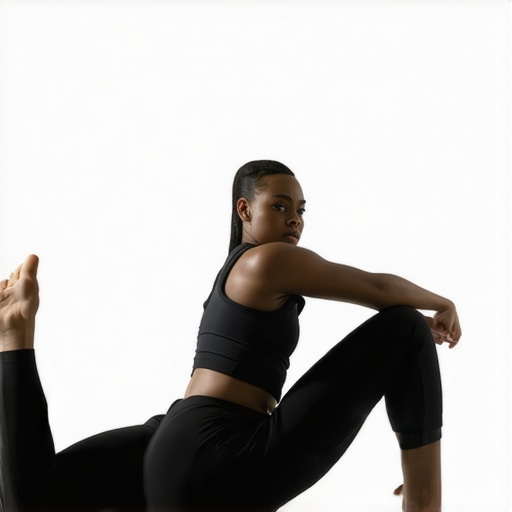
The pigeon pose is like releasing a tightly wound coil—gently easing tension in the deep gluteal muscles that often pull the pelvis out of alignment. I usually held the pose for 30 seconds, focusing on breathing and relaxing into the stretch, not forcing it. This drill helped realign my pelvis and ease SI joint strain, much like adjusting a crooked picture frame to hang straight. Over time, including this stretch in my cool-down routine decreased recurring pain and improved my overall hip function.
Remember, restoring mobility alone isn’t enough—stability exercises such as side-lying leg lifts or clamshells reinforce the gains. It’s akin to fixing a shaky table by tightening its loose joints after oiled hinges. Incorporating these exercises ensures your pelvis remains balanced, preventing the return of pain. For a more comprehensive approach, exploring stability hacks recommended here can be valuable: 5 Stability Hacks.
My experience was that exercises only worked if performed regularly. Building this into your daily routine is like creasing a well-worn path—momentum leads to lasting change. Initially, I dedicated 10 minutes each morning to these drills, gradually increasing intensity and duration. Over weeks, I noticed my movements became more fluid, my pain diminished, and I regained confidence during lunges and squats.
 While many believe that a quick adjustment or a routine chiropractic session can permanently fix back pain, the reality is far more complex. In my experience working with athletes and rehab clients, there’s a common misconception that spinal manipulations alone can resolve underlying issues related to neuromuscular imbalances or nerve tension. However, recent studies highlight that relying solely on adjustments often leads to temporary relief rather than lasting recovery. For example, research published in the Journal of Manual & Manipulative Therapy indicates that integrating nerve flossing and stability exercises significantly improves long-term outcomes over adjustments alone. The key? Recognizing that the spine, muscles, nerves, and fascia form a dynamic system, where addressing only one part can be akin to fixing a leaky pipe without checking the water pressure or the source of the leak.
Maintaining your back health over the long term requires more than just exercises; it involves utilizing the right tools and methods that support your recovery and prevent setbacks. One of my top picks is a set of resistance bands, which I personally use for mobility drills and stability work. These bands allow for controlled resistance, making exercises safer and more effective, especially when focusing on hip stability and nerve gliding. Additionally, I recommend investing in a high-quality foam roller. I use mine daily to release tight fascia and improve tissue quality, which helps sustain the benefits of mobility routines.
For monitoring progress and adjusting routines, smart wearable devices like a dedicated posture tracker or a biofeedback device can be game-changers. I find that tools like a smart posture trainer provide real-time feedback, helping me maintain proper alignment during workouts. They also alert me when I fall into habits that could compromise my back, such as slouching or uneven loading. Incorporating these tech tools into your routine can foster awareness and accountability, leading to more consistent results.
On the software side, I rely on dedicated mobility and rehab apps that guide me through specific drills and track my improvements. These platforms often include video demonstrations and timers, which help ensure proper form and consistent practice. For example, apps that incorporate nerve glide and stability protocols keep me on track without the need for constant supervision. As technology advances, I predict more personalized, AI-driven rehab programs that adapt in real-time to your progress, making recovery more efficient and less guesswork.
Scaling your maintenance routine as your condition improves is essential. Start with fundamental drills supported by these tools and gradually increase complexity or resistance. For instance, once you’re comfortable with nerve gliding exercises using a resistance band, you can incorporate strength-building movements with heavier resistance to further enhance stability. The key is a balanced approach that combines mobility, stability, and nerve health for lasting gains.
Long-term maintenance means being proactive—integrating daily habits with effective tools. Regular use of foam rollers and resistance bands, along with periodic check-ins via wearable tech, ensures you catch bad habits early before they escalate into pain. I also recommend revisiting your routines monthly and adjusting based on feedback from devices or how your body feels. This dynamic approach is how I’ve kept my back pain at bay during busy training seasons.
Looking ahead, I believe the trend will continue toward smarter, more personalized rehab solutions that use AI and machine learning to tailor routines specifically for your needs. These advances will simplify maintaining long-term results and could potentially predict flare-ups before they happen.
Don’t forget—trialing advanced tips such as leveraging biofeedback devices or integrating stability hacks can significantly boost your prevention strategy. For example, try incorporating a nerve glide routine with a resistance band daily for just five minutes; it’s a small step that yields massive long-term benefits. Stay consistent, stay informed, and your back will thank you for it.
One of the most eye-opening lessons I learned was the importance of personalized mobility routines tailored to individual needs. Initially, I thought generic stretching was enough, but I quickly realized that each setback required a nuanced approach, especially when dealing with SI joint issues. This realization pushed me to dive deeper into targeted exercises that address specific imbalances, leading to faster, more sustainable recovery.
Sometimes, the key to lasting relief isn’t complex or time-consuming—it’s about tiny adjustments to daily habits. Incorporating quick nerve glide drills before workouts or adjusting my sleep position prevented countless flare-ups. These small tweaks accumulated into significant improvements, proving that consistency in minor actions often outweighs sporadic intense efforts.
Learning to interpret subtle signals from my body was a game-changer. A slight tightness or discomfort was an early warning sign, prompting me to modify my movements or rest more proactively. This mindfulness saved me from prolonged pain and deepened my understanding that recovery isn’t just about exercises but listening and responding to your body’s feedback.
There are a few tools that truly made a difference. Resistance bands, for instance, allowed me to control resistance during mobility drills, making exercises safer and more effective. The foam roller became my go-to for fascia release, easing tension that could trigger setbacks. Additionally, smart wearable devices provided real-time posture feedback, helping me stay aligned throughout daily activities. These resources complemented my routine perfectly and kept me committed to progress.
Ultimately, the most valuable lesson is that you hold the power to influence your healing. By staying proactive, embracing consistent mobility and stability training, and listening to your body’s cues, you can overcome even stubborn back issues. Don’t be discouraged by setbacks—view them as opportunities to learn and adapt. Your journey toward a healthier, pain-free back begins with belief in your ability to influence your own recovery.
What small habit have you incorporated recently that made a noticeable difference in your back health? Share your experience below and let’s inspire each other to keep moving forward!

Leave a Reply