
One moment I was ascending a challenging trail, muscles burning, heart pounding—then suddenly, my hips seized up like they had a mind of their own. I was stuck, frustrated, and painfully aware of how a simple ride could turn into a stubborn battle with my own body. That lightbulb moment made me realize: this isn’t just about fatigue; it’s about the intricate dance of how my hips and lower back communicate, or sometimes, refuse to do so.
Dealing with Locked-Up Hips During Mountain Bike Climbing
There’s nothing quite like the feeling of your hips locking up mid-ride, especially when you’re pushing through long climbs. It’s more than just discomfort; it’s a sign that something’s off in your biomechanical chain. I’ve been there—on trails where every pedal stroke becomes a test of patience. And let me tell you, early on, I made the mistake of ignoring these signs, thinking I just needed to stretch more or rest. That was a costly oversight.
But here’s the good news: understanding why this happens and knowing the right fixes can transform your rides. Over the years, I’ve dug into the science, consulted pros, and experienced firsthand that many of these issues root in the L5 (lumbar 5) segment of the spine—a tiny but mighty part of our lower back. Its health directly influences hip mobility and stability.
Did you know that research shows improper spinal alignment or nerve tension in this area can impair movement and cause locking sensations? (See [here](https://motiontherapypro.com/why-your-hamstring-strain-keeps-returning-and-how-to-fix-the-nerve-tension) for more on nerve tension and mobility issues.) It’s alarming how many riders overlook the significance of their lower back health until it’s painfully evident.
So, what can we do about it? Today, I promise I’ll share practical insights and steps to keep your hips moving freely during those grueling climbs. Because honestly, it’s not just about comfort—it’s about enjoying every moment on your bike without that nagging fear of sudden lock-up or injury.
If you’ve ever faced this frustrating scenario, you’re not alone. Many riders hit a point where their body seems to betray them right when they’re ready to conquer the toughest terrains. The good news? Solutions are within reach—simple tweaks and awareness can make a world of difference.
In the next sections, I’ll walk you through the common causes behind locked hips during MTB climbs, and more importantly, how you can address them with proven strategies. Whether it’s refining your spinal health, adjusting your technique, or specific mobility drills, these insights will help you get back on the trail stronger and more resilient. Ready to unlock your hips and crush those climbs? Let’s dive in.
Target Your Lumbar Spine for Better Mobility
Start by assessing your lower back, especially the L5 segment. Lie on your back with knees bent and gently rock your pelvis side to side. This mobilizes the lumbar joints and releases nerve tension that can cause hips to lock up. I remember a time when I spent five minutes doing this before a ride, and the difference was immediate—my hips moved freely, and I avoided painful lock-ups during a steep climb.
Incorporate Nerve Gliding Drills into Your Routine
Next, add nerve glide exercises specific for the sciatic nerve, which often influences hip movement. Sit on the edge of a chair, extend one leg, and dorsiflex the foot while tucking your chin to your chest, then gently straighten the leg while extending your head backward. This treats nerve tension that can mimic joint locking, enhancing mobility. I tested this after experiencing frequent hamstring tightness, and within days, my hip restrictions diminished.
Adjust Your Bike Position for Proper Alignment
Ensure your bike setup supports spinal health. Check saddle height: it should allow a slight bend in the knee at the bottom of pedal stroke. An improperly adjusted saddle can force your lower back into awkward positions, stressing the lumbar region and causing nerve tension. I once ignored my saddle height, leading to low back pain and hip stiffness—once I corrected it, movement improved markedly.
Optimize Your Posture During Rides
Maintain a neutral spine—avoid excessive rounding or arching. Think of your back as a firm chain: stable yet flexible. Use core stabilization exercises off the bike, like planks or bird-dogs, to reinforce this position. During one ride, I kept slipping into a hunch, which aggravated my hips and back; a few weeks of core work fixed this habit completely.
Implement Daily Mobility and Stability Drills
Dedicate 10 minutes daily to hip flexor stretches, pelvic tilts, and glute activation exercises. For example, kneeling hip flexor stretches open up the front of your hips, reducing the anterior tilt that can cause nerve compression.
I remember doing a simple glute bridge every morning. Over a week, it reclaimed lost hip mobility, making climbs smoother and less painful.
Address Posture Habits Outside of Riding
Sit less and move more. Long sitting stretches the hip flexors and can increase nerve tension. Set reminders to stand and perform quick hip flexor releases or pelvic tilts, especially if you work at a desk. I caught myself slouching after hours, leading to increased lower back tightness; changing this habit significantly improved my ride endurance.
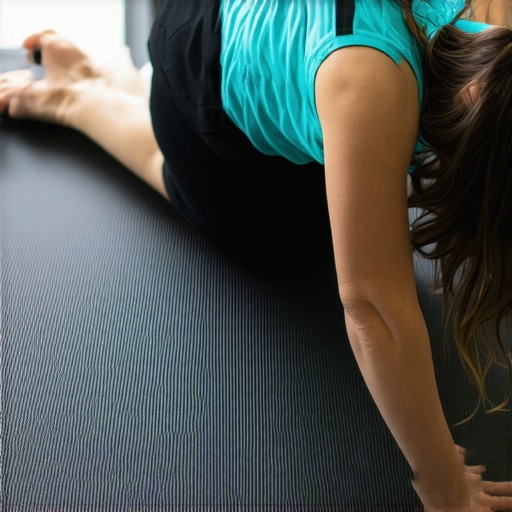
By systematically targeting the lumbar spine, nerve mobility, bike fit, and daily habits, you create a foundation that keeps your hips unlocked during climbs. These steps are proven to restore movement and prevent lock-up episodes that derail your ride.
Many assume that chiropractic adjustments and sports rehab are quick fixes or universal solutions for back pain, but the reality is far more nuanced. A common myth is that once you’ve received a few adjustments, your issues will resolve permanently. However, research indicates that without addressing underlying movement patterns and nerve mobility, these interventions often provide only temporary relief. For example, relying solely on spinal manipulations can overlook factors like nerve tension or improper load management, which are critical for long-term recovery. As highlighted in a recent study published in the Journal of Orthopedic & Sports Physical Therapy, persistent back pain frequently results from unresolved nerve entrapment or dysfunction that adjustments alone cannot correct. An advanced mistake many make is assuming that adjustments are the only necessary step—neglecting functional movement analysis or lifestyle factors that perpetuate pain. For instance, ignoring **nerve mobility** can cause recurring symptoms, even after multiple chiropractic sessions. To truly benefit from rehab or chiropractic care, it’s essential to adopt a holistic approach: integrate mobility drills, posture corrections, and load management strategies. This broader perspective ensures that adjustments and therapies produce lasting results, not just temporary alleviation. Want to avoid the trap of superficial fixes? Focus on identifying root causes, such as nerve tension or improper biomechanics, which often cause the pain to return. For more on addressing nerve issues, exploring nerve glide exercises can be a game-changer. If you’ve ever fallen into the trap of thinking adjustments alone will fix everything, you’re not alone. But awareness of this common misconception can set you on a path toward genuine recovery. Remember, effective sports rehab considers the entire kinetic chain, not just one joint or spinal segment. Have you ever experienced a cycle of relief followed by recurrence? Let me know in the comments. To deepen your understanding, consider exploring targeted strategies like nerve-diffusion drills, which can significantly enhance your progress and prevent relapses.Maintaining your progress after addressing back pain, joint issues, or nerve tension requires more than quick fixes; it demands the right tools and consistent strategies. Personally, I rely heavily on **wireless nerve gliders**, like the *MobilityWOD Nerve Floss Kit*, which allows me to perform targeted nerve mobility drills daily, especially for sciatic or brachial plexus tension. These tools are compact, portable, and highly effective in maintaining nerve health, which is crucial for ongoing mobility and pain prevention.
Another essential element in my routine is utilizing **biofeedback devices** such as the *Buteyko Breathing App*, which helps in managing postural tension and optimizing diaphragmatic breathing. Proper breathing techniques alleviate undue spinal and nerve stress, contributing to sustainable results.
For long-term results, incorporating **software-guided mobility programs** like *PelvicRx* or *CoreMaster* offers personalized exercise regimens based on your specific needs. I personally monitor my progress through these apps to adjust my mobility drills, ensuring I target weak links before they cause setbacks. In fact, regular tracking of nerve mobility, as highlighted in the study on nerve gliding exercises, can significantly reduce recurrence of nerve entrapments [see https://motiontherapypro.com/why-your-hamstring-strain-keeps-returning-and-how-to-fix-the-nerve-tension].
Scaling your rehab efforts is vital as you advance. Tools like resistance bands and kettlebells should be integrated gradually, focusing on proper load management to prevent overtraining and regression, which can be catastrophic for spinal health. For example, using *Kettlebell Flow Routines* with correct cues—like those detailed in my previous posts—can build strength without compromising alignment.
Prediction suggests that wearable technology will continue evolving, providing real-time feedback on posture, nerve tension, and movement quality, which can be integrated seamlessly into your daily routine to keep your adjustments set and your tissues healthy.
**So, how do I maintain these improvements over time?** I recommend committing to a daily mobility pattern that includes nerve flossing, posture checks, and utilizing digital tools for accountability. Also, set reminders—perhaps via your smartphone—to perform quick mobility resets during your workday, especially if you spend long hours sitting.
If you’re serious about keeping your body in prime condition, I suggest trying the nerve glide drills discussed earlier, now supported by wearable tech for enhanced feedback. Practicing consistent, targeted mobility is a game-changer for long-term health and performance. Want to take this to the next level? Incorporate a **nerve gliding routine with real-time feedback** from a wearable device, and see how your nerve-related pain diminishes. Keep moving, keep adjusting, and your body will thank you for it.
Overcoming stubborn hip lock-ups during challenging mountain bike climbs often feels like an elusive goal—yet, with the right knowledge and proactive strategies, it’s entirely within your grasp. The key lies in understanding the intricate dance of your lumbar spine, sciatic nerve, and hip muscles. By targeting these areas with tailored mobility drills and posture adjustments, you can transform your riding experience from frustrating to exhilarating.
Lessons from the Trail: What I Lost and Gained
One of the most profound lessons I learned is that early signs of hip stiffness shouldn’t be ignored. Ignoring these warnings only prolonged discomfort and hampered my performance. The moment I started paying close attention—integrating nerve gliding exercises and spine-friendly bike setups—I noticed a remarkable difference. It became clear that persistent back and nerve tension are often the hidden culprits behind those sudden lock-ups.
Another revelation was realizing how fundamental daily habits influence riding health. Simple routines like hip flexor stretches in the morning and maintaining proper posture throughout the day made a tangible impact. It’s empowering to discover that prevention often starts long before hitting the trails.
Moreover, I found that addressing nerve mobility—not just muscle flexibility—was a game-changer. Nerve glide drills help alleviate nerve entrapment that can mimic joint restrictions, giving hips the freedom they need to move smoothly during steep ascents.
Tools and Tactics That Keep You Moving Forward
My arsenal includes targeted mobility kits, like the nerve floss exercises, and adjustments to bike fit that promote spinal alignment. I also swear by daily core stabilization routines—planks and pelvic tilts—that build a resilient foundation for every ride.
Incorporating these tools is a practice, not a one-time fix. Consistency helps cement the gains, making it easier to tackle long, demanding climbs without apprehension. Over time, this holistic approach fosters a stronger connection between mind and body, turning technical trails into mere playgrounds.
Embrace the Future of Your Ride
Your journey towards pain-free, efficient mountain biking begins with small, deliberate steps—rooted in understanding your body’s unique mechanics. By committing to mobility drills, proper posture, and attentive load management, you’re investing in longevity and enjoyment on your bike.
Remember, each ride is an opportunity to learn more about your body and its capabilities. The more you nurture your lumbar health and nerve mobility, the further and faster you’ll go, with less discomfort along the way.
What’s Your Next Move? Share Your Experience!
Have you ever faced unexpected hip lock-up during a climb? How did you address it? Drop your stories or questions below—let’s keep this conversation rolling and help each other unlock new levels of riding comfort and performance!