
Ever felt that dull ache creeping into your lower back after a long ride, only to realize you might have been sitting just a little too high or low on your bike? I remember hitting that point myself—thinking I was doing everything right until that persistent discomfort became a constant reminder that my body wasn’t happy. That lightbulb moment made me dive into the details of bike seat adjustments, and let me tell you, small tweaks can make a world of difference.
The Hidden Culprit: How Your Bike Seat Can Wreck Your Back
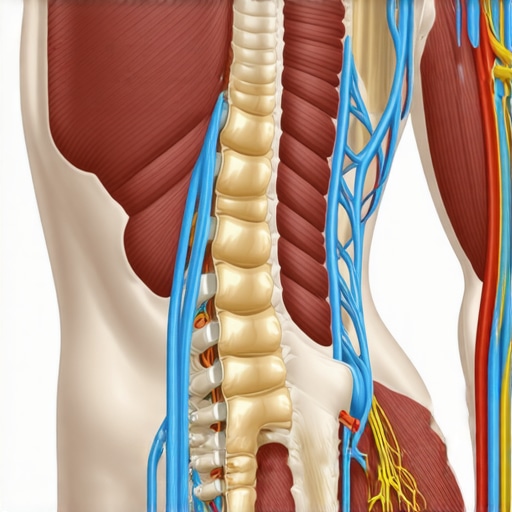
When I first started cycling seriously, I overlooked the importance of proper seat height and position. I naively believed that as long as I was on my bike, I was doing good. But over time, I noticed nagging lower back pain, especially during or after rides. It wasn’t until I learned about the anatomy of the lumbar spine, specifically the L4-L5 segment, that I understood how improper seat adjustments can cause or worsen compression in this area. The L4-L5 joint is a common problem spot for many cyclists, and poor seat positioning can amplify pressure here, leading to discomfort or chronic issues.
Understanding the connection between posture and back health is crucial. According to recent research, prolonged compression of the lumbar disc can contribute to pain and nerve issues, ultimately affecting your mobility and quality of life. The good news? Simple modifications to your bike seat setup can alleviate these problems and help you enjoy your rides pain-free.
Before we get into the how-to, I want to ask: Have you ever experienced lower back pain after cycling that just wouldn’t go away? If so, you’re not alone—and the good news is, fixing your seat could be the game-changer you need.
Is Adjusting Your Seat Actually Worth It?
Early on, I made the mistake of shrugging off small discomforts, telling myself it was just part of cycling or aging. But those tiny warnings signs snowballed into bigger issues that required serious treatment. It took me years to realize that proper seat height and position are not just about comfort—they’re vital for spinal health. Don’t fall into the same trap; learn the right setup from the start. For more tips on optimizing your technique and recovery, check out this resource.
Now, let’s talk about how you can tweak your bike seat to protect your lumbar spine and keep you riding strong for years to come.
Set Your Seat Height for Proper Spinal Alignment
Start by positioning your saddle at a height where your leg is almost fully extended when the pedal is at the bottom of the stroke. To find this, sit on your bike and place your heel on the pedal at its lowest point—your leg should be straight with the knee locked. During actual riding, a slight bend in the knee ensures efficient power transfer and reduces lumbar strain. I once spent an afternoon tweaking my seat height multiple times until I noticed a significant reduction in lower back discomfort, making my rides more enjoyable.
Adjust Fore and Aft Position to Optimize Pelvic Tilt
Next, move the saddle forward or backward to position your pelvis correctly over the pedals. A good indicator is that when riding, your hips shouldn’t sway significantly, and you should avoid excessive arching of the lower back. Place your hands on the tops of the handlebars and engage your core; if shifting your hips forward or back feels necessary to maintain comfort, adjust accordingly. I remember a ride where my hips kept rocking; moving the saddle slightly forward stabilized my pelvis, alleviating pressure on my lumbar spine.
Fine-Tune the Seat Tilt for Comfort and Spinal Protection
Set the saddle angle so that it’s level or with a slight downward tilt, ensuring weight distribution evenly across the sit bones. An excessively nose-up position can cause you to slide forward, increasing lumbar stress, while a nose-down tilt may pressure sensitive areas. During my early rides, I favored a level saddle, but after experimenting with a slight downward tilt, I found the pain in my lower back diminished. This subtle change helped maintain a neutral spine throughout the ride.
Check Your Knee and Hip Alignment
Stand beside your bike and observe the alignment of your knees over the pedals. When the crank arm is horizontal, your knee should be approximately over the center of the pedal axle. Misalignment can cause compensatory movements involving your hips and lower back. I once noticed my knees splaying outward, which prompted me to adjust saddle position and cleats, leading to better posture and less lumbar fatigue. This alignment check is crucial to prevent uneven pressure on the lumbar discs, particularly the L4-L5 segment.
Implement a Test Ride to Confirm Adjustments
After making adjustments, take a 10-15 minute ride focusing on your comfort and sensation. Pay attention to any back soreness or discomfort. If discomfort persists, re-evaluate your seat position, making micro-adjustments. I recall a ride where I initially felt slight soreness; by gradually shifting my saddle upward by a few millimeters, I achieved a pain-free experience, confirming the importance of incremental changes.
Consider Professional Bike Fitting for Precision
If persistent back pain remains despite these adjustments, consulting a professional bike fitter can provide personalized recommendations. They assess your riding posture, flexibility, and biomechanics—similar to a chiropractic assessment—leading to a setup optimized for your body. I once booked a professional fitting, which involved analyzing my pelvic tilt and spine alignment during the ride; this comprehensive approach yielded substantial improvements in my comfort and spinal health. To deepen your understanding of spinal health related to sports, explore this resource.
Myths That Could Be Worsening Your Back Issues
One of the most common misconceptions in the realm of chiropractic care is the belief that adjustments are a one-size-fits-all solution. Many people think that a quick spinal snap will permanently fix their discomfort, but in my experience, this approach overlooks the complex biomechanics involved. True progress requires understanding the nuanced interplay between muscular balance, joint mobility, and nervous system function. Relying solely on adjustments without addressing these factors often leads to temporary relief rather than long-term solutions. For comprehensive insights, check out these tips.
Common Mistakes in Sports Rehab That Can Sabotage Recovery
Many athletes and active individuals fall prey to the trap of neglecting surrounding structures during rehab, focusing only on the symptomatic area. For example, a client recovering from a herniated disc may strengthen their core but ignore hip mobility or scapular stability, which are equally vital. This oversight can hinder progress or cause re-injury. The key lies in an integrated approach that considers the entire kinetic chain. To learn more about optimizing sport-specific recovery, visit this resource.
Why Most Back Pain Treatments Fail to Address the Root Cause
Many assume that back pain results solely from nerve impingement or disc issues, prompting a search for quick fixes like injections or surgeries. However, research (see this study) reveals that spinal misalignments are often secondary to muscular imbalances, postural habits, and movement patterns. Without correcting these foundational issues, adjustments offer only temporary relief. Emphasizing proper movement therapy and lifestyle modifications can lead to more sustainable results. Always question: Are you treating the symptoms or the cause? Let me know in the comments if you’ve fallen into this trap!
Beware of the Adjustment Trap
One advanced point many overlook concerns the timing and frequency of adjustments. Overdoing spinal manipulations can disrupt the body’s natural compensatory mechanisms, potentially leading to dependence or even worse misalignments. Optimal care emphasizes restoring normal biomechanics through a tailored combination of adjustments, soft tissue work, and functional training. Remember, the goal is to empower your body’s innate healing rather than just providing periodic fixes. For strategies on this balanced approach, see this article.
In summary, uncovering the hidden nuances in chiropractic and back pain management can mark the difference between temporary relief and lasting health. The key is an integrated, personalized approach that considers the entire musculoskeletal and nervous system dynamics. Have you ever fallen into this trap? Let me know in the comments.
Invest in Quality Tools for Lasting Results
Maintaining your spinal health isn’t a one-and-done deal; it requires consistent effort and the right equipment. I personally swear by a few key tools that help me stay ahead of back stiffness and discomfort. A high-quality foam roller, for instance, is invaluable for my daily mobility routine. It allows me to target my thoracic and lumbar regions precisely, breaking up adhesions that can lead to pain if neglected. When used correctly—such as applying gentle pressure along the paraspinal muscles—it promotes blood flow and tissue flexibility, which are vital for long-term health. A simple grip exercise has become a staple in my weekly routine, reinforcing my grip strength and supporting better spinal stabilization during lifts and adjustments.
Leverage Software to Track Progress and Prevent Relapse
Digital tools have transformed how I monitor my back health. Apps like MyFitnessPal or specific mobility trackers help chart my flexibility improvements and pain triggers over time. I log my daily routines, note discomfort levels, and identify patterns that might require intervention. For example, if I notice increased stiffness after prolonged sitting, I incorporate targeted stretches or soft tissue work before discomfort escalates. Over years, these insights enable me to adjust my routines proactively, reducing the need for intensive chiropractic sessions. As I become more disciplined with tracking, I find my long-term outcomes improve significantly.
Maintain Your Progress with Regular Professional Check-Ups
Even with personal routines and tools, periodic check-ins with a chiropractor or physical therapist ensure you’re on the right track. These professionals can perform specialized assessments to detect subtle misalignments or muscle weaknesses you might miss. I recommend scheduling a professional evaluation at least twice a year, especially after intense training cycles or long periods of inactivity. These visits often include gentle adjustments, soft tissue therapies, and personalized rehab plans that address evolving needs. Remember, the goal is to build resilience, not just fix problems as they surface. Reading about revolutionary rehab techniques has inspired me to integrate new methods into my routine regularly.
How do I keep my back healthy over time?
Maintaining a healthy back is about consistency and adaptation. Incorporate daily mobility exercises like cat-cow stretches or hip flexor releases, use high-quality foam rollers, and leverage tracking apps to stay engaged with your progress. Never underestimate the power of periodic professional assessments—they serve as a safeguard against hidden issues developing over years. And don’t forget, adjusting your environment—like ergonomic workstations—can prevent many recurring problems. As trends in holistic wellness grow, expect technology to play an even larger role in personalized maintenance. For now, I challenge you to try applying a targeted mobility drill daily for two weeks—you might be surprised at how much better your back feels.
The Hardest Lesson I Learned About chiropractic,sports rehab,back pain,adjustments
One of the most profound realizations was that quick fixes don’t build lasting resilience. Early on, I relied heavily on immediate relief practices, thinking that one adjustment or stretch would solve my back pain. But I discovered that true healing involves understanding and addressing the root causes—like muscle imbalances and movement patterns—that develop over time. Being patient and committed to a comprehensive approach transformed my perspective and results.
3 Myths About chiropractic,sports rehab,back pain,adjustments That Held Me Back
Believing that adjustments alone could cure all back issues was a common misconception. I also thought that rest was always the answer, dismissing the importance of active recovery. Finally, I used to assume that pain equals damage, which led me to delay proactive care. Debunking these myths opened my eyes to the importance of movement, education, and a personalized plan for lasting health.
What Experts Won’t Tell You About chiropractic,sports rehab,back pain,adjustments
Many professionals emphasize the importance of individualized plans tailored to your biomechanics. I learned that a one-size-fits-all approach often misses subtle issues that contribute to chronic pain. The real game-changer was understanding how lifestyle choices, ergonomics, and daily habits intertwine with your spinal health—knowledge that isn’t always highlighted in quick-fix solutions.
My Essential Toolkit for chiropractic,sports rehab,back pain,adjustments
Personal experience taught me that quality foam rollers are invaluable for releasing muscle tension. I trust resistance bands and therapy balls for activating and strengthening stabilizer muscles. A good posture app keeps me mindful throughout the day, ensuring my habits support my spinal health. These tools, when used consistently, complement professional care and empower me to stay injury-free.
Where to Go from Here
If you’re serious about improving your back health, consider booking a professional bike fitting or a comprehensive assessment with a qualified chiropractor. Integrating targeted rehab exercises with regular check-ins ensures long-term progress. Remember, the journey is ongoing—embrace a mindset of continuous improvement, and your back will thank you for it.
Your Turn to Take Action
Maintaining spinal health isn’t a one-time effort; it’s a lifestyle. What small change can you implement today to support your back health? Share your plan below and let’s motivate each other to ride pain-free for years to come.