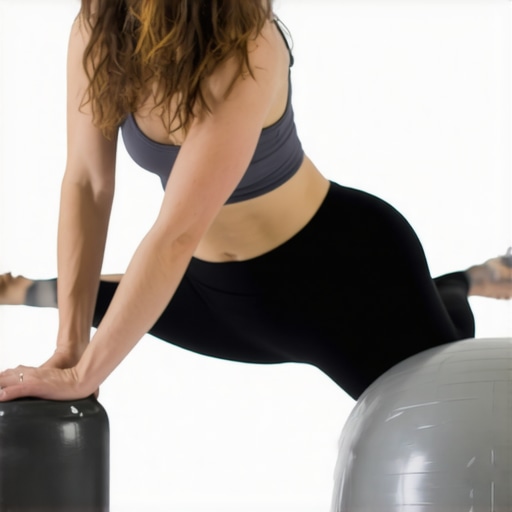
Ever been caught in that moment when your lower back seizes up unexpectedly during a workout or even while just bending down to tie your shoes? I remember the first time like it was yesterday — a sudden jolt, sharp enough to make me gasp, and suddenly, I was on the floor, wondering if I’d sprained something vital. At that instant, I realized how little I truly understood about the power of breath and how it influences spine health. That lightbulb moment changed everything for me, and today, I want to share that revelation with you.
Lower back spasms can be relentless and frustrating. Sometimes, traditional stretching or even endless visits to the chiropractor provide temporary relief but never really fix the root cause. What I discovered is that many of us, myself included initially, overlook a simple but crucial tool — our breathing. Proper breathing isn’t just about oxygen; it’s a key player in soothing nervous tension, reducing muscle spasms, and promoting spinal alignment. And yes, mastering this skill can be the difference between suffering through spasms and bouncing back quickly.
Why Your Breath Could Be Your Best Ally Against Lower Back Spasms
Over the years, I’ve learned that our muscles and nerves respond profoundly to how we breathe. When I first experienced a terrible spasm, I thought it was purely a mechanical issue — maybe a bad lift or poor posture. But soon, I realized that panic and shallow breathing only made things worse. Deep, diaphragmatic breathing activates your parasympathetic nervous system, which calms muscle tension and helps realign your spine naturally. Interestingly, research shows that controlled breathing can reduce pain sensitivity and improve soft tissue recovery (source: American Psychological Association).
In the next sections, I’ll show you how to use your breath as a first-line defense. This isn’t about complicated yoga routines or meditation; it’s about simple, effective techniques you can do anytime, anywhere, to stop a spasm in its tracks. Have you ever experienced lower back pain that just wouldn’t quit? If so, stick around — because what I’m about to share could change how you manage those painful moments forever.
Is Breathing Your Back’s Secret Weapon Really Worth It?
Early in my journey, I made the mistake of ignoring what seemed too simple — holding my breath during exertion, which only heightened my pain. It wasn’t until I learned to breathe intentionally that I saw real progress. Trust me, if I had known earlier about the power of breath, I might have avoided countless days of discomfort and frustration. Today, I want you to skip my learning curve and start using your breath to your advantage right now.
Ready to see how a few deep breaths can help you out of your next spasm? Let’s dive into practical steps that have worked wonders for me and many others.
Master Diaphragmatic Breathing During Spasms
The first step is to focus on your breath when a spasm strikes. Sit or lie down comfortably, place one hand on your chest and the other on your belly. Inhale deeply through your nose, aiming to expand your belly (not your chest), like filling a balloon. This diaphragmatic breathing activates your parasympathetic nervous system, which helps calm tense muscles. I remember the first time I did this during a sudden spasm after a long hike; my muscles relaxed enough within minutes to stand up and walk away, instead of waddling like a penguin. Practice this regularly so it becomes instinctive during emergencies.
Control Your Breath with Intentional Pauses
Once you’ve mastered diaphragmatic breathing, introduce controlled pauses. Breathe in slowly over four seconds, hold the breath for four seconds, then exhale gradually over six seconds. This extended exhale helps to release tension accumulated in your muscles. During a recent incident where my lower back locked while reaching for a heavy box, I used this technique: inhaling deeply, pausing briefly, then exhaling slowly while consciously relaxing my lower back muscles. This pause-and-exhale combo prevents shallow breathing, which often worsens spasms, and encourages your spine to find a neutral position.
Use Nerve Glide Techniques to Reduce Tension
Nerve tension often amplifies muscle spasms, especially if nerve irritation is involved. To address this, incorporate simple nerve glide exercises while breathing deeply. For example, gently tilt your head side to side or extend your arm and bend your wrist, syncing each movement with slow, controlled breaths. During my own experience, I combined breathing with gentle nerve glides to help the sciatic nerve relax, alleviating the pain that felt like a hot spike shooting down my leg. These movements lubricate neural pathways, decrease nerve entrapment, and support spinal health.
Incorporate Gentle Movement Post-Spasm
After the acute phase, use your breath to facilitate gentle movements. Lie on your back, bend your knees, and perform pelvic tilts — inhale as you prepare, exhale slowly as you tilt your pelvis backward or forward. This method reduces spinal stiffness and improves mobility without risking further injury. I learned this approach after a flare-up when I moved cautiously, breathing rhythmically to guide my spine back into alignment. Consistent practice helps you recognize how proper breath control can act as both a pain management and mobility enhancement tool.
Recognize When to Seek Advanced Techniques
While breath control is powerful, certain persistent spasms may require targeted nerve or tissue mobilizations. If you notice no improvement after incorporating these breathing methods over several days, consider exploring specific nerve glide exercises or consulting a specialist. For example, I found that integrated nerve glides significantly sped up my recovery when combined with breathwork, especially in cases linked to nerve compression. Resources like nerve glide techniques can offer guided routines to enhance recovery further.
< >Many individuals assume that chiropractic adjustments are a quick fix for chronic back pain, but in my experience, this belief often oversimplifies the complex mechanics involved. The common myth is that adjustments alone can restore optimal spinal function; however, without addressing underlying movement patterns and nerve function, the relief may be temporary. For example, focusing solely on spinal realignment neglects how muscular imbalances and neural tension contribute to persistent pain. An advanced nuance often overlooked is the role of nerve glides; improper mobilization can actually exacerbate nerve irritation instead of relieving it. In fact, a study published in the Journal of Orthopaedic & Sports Physical Therapy highlights that targeted nerve mobility exercises can significantly improve treatment outcomes when combined with adjustments. Are adjustments truly a standalone solution, or should they be part of a comprehensive approach? It’s crucial to recognize that many practitioners focus on mechanical corrections without evaluating neural and muscular contributions. Overlooking these factors can lead to what I call the ‘Adjustment Trap,’ where symptoms temporarily improve but the root cause remains unaddressed. Also, beware of the misconception that all pain is mechanical; inflammation, nerve sensitivity, and soft tissue dysfunction often play significant roles. This highlights the importance of integrating movement-based therapies and nerve mobility drills into your recovery plan. For instance, incorporating simple nerve glide routines, like those detailed in nerve glide exercises, can prevent nerve entrapment and improve long-term pain management. So, next time you visit a chiropractor, ask whether they are considering neural health and movement patterns, not just spinal alignment. Remember, a multi-faceted approach often yields the best results for back pain. Have you ever fallen into this trap? Let me know in the comments.
Maintaining a resilient back requires more than just sporadic adjustments or stretches; it demands reliable tools and consistent routines that support your long-term health. Over the years, I’ve refined my toolbox to include specific devices, apps, and methods that ensure my back remains functional and pain-free, even after intense activity or prolonged periods of sitting.
One of my favorite gadgets is the Foam Roller. However, not all rollers are created equal. I personally swear by a dense, high-quality foam roller like the The Rumble Roller because its textured surface provides deep tissue massage, helping to release myofascial restrictions that can cause nerve impingements and muscle tightness. Regular foam rolling, especially on the piriformis and hamstrings, enhances nerve glide and reduces chances of sciatic pain.
In addition, I incorporate stability drills into my daily routine, which have proven effective in preventing common movement errors like knee cave or pelvic tilts. For instance, I use the stability drills to stop knee cave, ensuring proper alignment during squats or lunges. These exercises are invaluable because they reinforce neuromuscular control, thereby protecting the spine during both workouts and daily activities.
Technology also plays a pivotal role in maintaining back health. I utilize apps such as MyFitnessPal for tracking my activity levels and Headspace for guided breathing, which supports diaphragmatic engagement and nervous system balance — key components in avoiding spasms and facilitating proper nerve function.
Looking ahead, I predict that the integration of smart wearable devices with AI-driven analytics will revolutionize how we monitor posture and nerve mobility in real-time. Imagine a sensor that alerts you when your posture deviates or when your nerve glides are not optimal. The future will likely bring personalized, adaptive recovery routines that fit seamlessly into daily life, making long-term spinal health more attainable for everyone.
How do I maintain my back health over time?
The key is consistency and using the right tools designed for your unique needs. I recommend establishing a daily routine that includes nerve glide exercises, stability drills, and self-myofascial release using quality foam rollers. Also, leverage technology, like breathing apps and posture monitors, to stay aware of your body alignment throughout the day. Regularly scheduling check-ins with a qualified professional who can assess nerve mobility and spinal function helps to fine-tune your routine and prevent issues before they escalate. Remember, prevention is always more effective than repair — so make your toolkit a non-negotiable part of your life.
If you’re interested in specific mobility techniques, check out nerve glide exercises that can dramatically improve nerve health and prevent setbacks. Start adopting these practices today and take control of your back’s future!