
Let me take you back to a moment I won’t forget—the pain was sharp, undeniable, and hit me right after a long stint behind the wheel. I had just finished a 6-hour drive, and my back felt like it had been through a battle. It was a wake-up call that I couldn’t keep ignoring the little mistakes I was making—particularly during long drives without proper support. Ever experienced that uncomfortable, stiff feeling after hours of driving without a pillow or lumbar support? If yes, you’re not alone, and I’ve been there too.
Why Your Posture Chances Matter More Than You Think
Chronic discomfort from improper driving posture isn’t just about a sore back; it can lead to long-term issues like nerve compression, muscle imbalance, and even contribute to degenerative disc problems. The good news is, small adjustments can make a massive difference. I found that the secret lies in understanding how to maintain alignment—even when your car’s seat isn’t the most ergonomic place. Keep reading, because I promise to show you some practical tips rooted in expert technique, designed to keep you comfortable and healthy, even on the longest trips.
Is Fixing Posture While Driving Actually Worth the Hype?
Initially, I thought my pain was just part of aging or the cost of being sporty. I made a rookie mistake early on—ignoring my seat setup and slouching into the drive like it was no big deal. But that habit only worsened my discomfort over time. It wasn’t until I started applying simple, effective strategies that I saw real relief. If you’re skeptical about whether proper posture adjustments during driving can make a difference, you’re not alone—many of us have doubts about these small changes having a real impact. However, research shows that conscious posture management can significantly reduce back pain and improve overall spinal health (discover how chiropractic techniques aid recovery).
So, if you’re tired of ending each long trip with a sore back or tight shoulders, stay with me. I’ll walk you through straightforward, doable steps to fix your posture, without relying solely on a pillow, and keep you comfortable on those extended journeys. Ready to transform your driving experience and protect your back for years to come? Let’s dive into the details.
Adjust Your Seat for Optimal Alignment
Start by setting your seat height so that your hips are level with your knees. Imagine your pelvis as the foundation of a building—if it’s tilted or misaligned, everything above follows suit. I remember fiddling with my seat height and finding that sweet spot, which instantly reduced my lower back strain. Use a mirror or ask a passenger to confirm your pelvis tilts slightly forward—a natural lumbar curve—without overextending your lower back.
Set the lumbar support to fill your lower back curve
Instead of relying solely on built-in supports, consider rolling a small towel or using a lumbar cushion to support your lumbar lordosis. It’s like providing a gentle brace that guides your spine into a healthy position. During a recent drive, I placed a rolled towel at my lower back, which reminded me of how a sports chiropractor might adjust spinal segments—targeted, precise, and effective. This small change immediately alleviated my mid-back tension and improved comfort.
Position Your Feet and Legs Correctly
Ensure your feet are flat on the pedals with your knees bent at roughly 120 degrees. Think of your legs as the suspension system of a car—if they are out of balance, every bump transmits shock up your spine. I adjusted my seat so my knees weren’t too high or low relative to the pedals, mimicking proper ergonomic practice. This prevents over-stretching or crunching your hamstrings, which can tug on your pelvis and contribute to lower back pain.
Maintain a slight bend in your elbows and knees
A slight bend prevents hyperextension and reduces strain. When I caught myself locking my elbows during long drives, I realized I was unknowingly increasing shoulder and neck tension. Keeping joints slightly flexed acts like a shock absorber, much like a well-designed shock strut absorbs impacts, protecting the delicate structures of your back.
Engage Your Core to Support Your Posture
Activating your abdominal muscles is like tightening the cables in a suspension bridge—adding stability to your spine. I started doing small core engages before and during driving, which reminded me of how subtle muscular activation helps in sports rehab to prevent injuries. Even a gentle, sustained contraction of your abs—without holding your breath—can ensure your lumbar spine is supported, reducing fatigue and pain over time.
Practice diaphragmatic breathing to enhance core stability
Deep diaphragmatic breaths increase intra-abdominal pressure, acting like an internal brace. I began using slow, deep breaths during my drives, which not only calmed my mind but also locked in my core support—a technique recommended by chiropractors to improve spinal alignment.
Take Breaks and Move Frequently
Every 1-2 hours, stand, stretch, and walk. Think of your spine as a flexible twig—you need movement to prevent stiffness. During a particularly long trip, I scheduled quick stops, which helped reset my posture and loosen tight muscles. Incorporate gentle spinal twists, shoulder rolls, and leg swings to promote circulation and flexibility, similar to dynamic warm-ups in athletic training.
Use simple mobility drills during breaks
For example, perform a 30-second cat-cow stretch or hip hinge. These exercises keep your spine mobile, much like how sports rehab integrates movement with strength training to optimize performance and health. This routine not only relieves accumulated tension but also prepares your body for the next stretch of driving.
Complement Posture Adjustments with Professional Support
If discomfort persists, consulting a chiropractor can be a game-changer. Expert adjustments can realign your spine, much like tuning a musical instrument. I found that a few targeted treatments, combined with these ergonomic strategies, dramatically improved my long-term back health. Discover how chiropractic techniques can be tailored to your lifestyle at this resource.
Remember, proper driving posture isn’t just about comfort—it’s an essential part of maintaining spinal health, especially when your vehicle becomes an extension of your daily routine. Tiny adjustments, consistent habits, and professional guidance combine to safeguard your back on long journeys. Stay mindful of these steps, and your back will thank you for years to come.
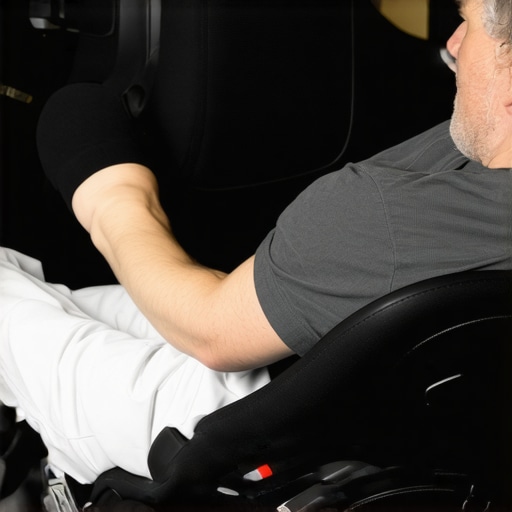 Many individuals approach back pain with a simplistic mindset, believing that it’s purely about muscle strain or a one-time fix. However, this oversimplification often leads to ineffective treatments and prolonged discomfort. One prevalent myth is that chiropractic adjustments provide immediate relief for all back issues. While adjustments are powerful tools, relying solely on them without addressing lifestyle factors can be a trap. In reality, a comprehensive approach that includes lifestyle modifications and targeted exercises is essential for long-term health. It’s common to overlook the importance of subtle spinal misalignments that aren’t immediately painful but can cause dysfunction over time. These hidden issues often escape detection unless a skilled practitioner employs precise assessment techniques. For instance, some practitioners focus too much on symptomatic relief, neglecting the biomechanics that underpin optimal spinal health. This oversight can cause a recurrence of pain or even worsening conditions.
What are the pitfalls of relying solely on spinal adjustments for back pain?
Relying solely on adjustments can lead to a cycle of temporary relief without addressing root causes. Studies suggest that combining adjustments with soft tissue therapy, targeted strengthening, and ergonomic advice yields better outcomes (see the science behind chiropractic adjustments). Moreover, many practitioners underestimate the importance of nuanced exercises that activate deep stabilizers rather than superficial muscles, which is crucial for restoring functional movement. Additionally, a common mistake is neglecting the role of nerve impingements that are not always visible on imaging but can cause persistent symptoms. Advanced assessments like nerve conduction studies or functional movement screenings help uncover these hidden issues. It’s also essential to recognize that active patient engagement—through education and specific home exercises—often determines the success of any treatment plan. Failing to educate patients about postural habits or improper movement patterns allows problems to persist or reemerge. So, the big takeaway is: healing isn’t just about quick fixes; it’s about understanding and addressing the complex, often hidden, aspects of spinal health. If you’re tired of temporary relief and want a more nuanced approach, consider exploring these strategies and consult with professionals who emphasize a comprehensive plan. Discover how revolutionizing your rehab with expert chiropractic techniques can help you achieve lasting wellness. Keep in mind, long-term outcomes depend on addressing the root causes, not just surface symptoms. Have you ever fallen into this trap? Let me know in the comments.
Maintaining a healthy back over time requires more than just good posture during drives or workouts. It’s about integrating targeted tools and consistent practices into your routine that support your spinal health daily. One of my go-to devices is a high-density foam roller. I personally use the TriggerPoint GRID Foam Roller because it offers firm, targeted pressure that helps break up myofascial adhesions and improves my mobility. Regular rolling sessions, especially after intense activity, can prevent muscle tightness from becoming chronic issues. Additionally, I incorporate specific software like MyFitnessPal to monitor my activity levels and ensure I stay active enough to promote circulation and healing. Tracking your daily movement encourages accountability, revealing patterns that might contribute to back strain, and helps you adjust accordingly. As we look to the future of back health, wearable technology is gaining traction; devices like biofeedback belts provide real-time data on muscle tension, empowering you to make immediate adjustments during activities like lifting or prolonged sitting.
How do I maintain back health over time? The key lies in consistent practice combined with the right tools. I schedule weekly self-myofascial release with my foam roller, followed by targeted stretches to maintain flexibility. Incorporating core strengthening exercises, like planks or bird-dogs, is essential—they act as the foundation of support that protects your spine during daily tasks and athletic pursuits. To streamline exercises and ensure proper form, I rely on apps like revolutionizing rehab with expert chiropractic techniques. These platforms offer detailed videos and feedback mechanisms that are invaluable, especially when practicing at home.
In addition to tools, seeking professional support periodically ensures your regimen adapts to changing needs. Regular chiropractic adjustments help realign the spine, especially since subtle misalignments can quietly cause discomfort or limit mobility. The integration of the latest techniques ensures long-term benefits—like those discussed in proven chiropractic adjustments that work for lasting relief. As technology and research advance, I anticipate that personalized neurofeedback and AI-driven posture trainers will become standard tools for proactive back care, allowing even better prevention and early intervention.
How do I sustain my back health over the years?
Consistency is vital. Incorporate daily mobility drills, such as thoracic openers or hip flexor releases, into your routine—these are small habits that yield significant long-term results. Using a combination of portable tools like resistance bands and compact foam rollers, you can elevate your routine without needing a gym. Remember, the goal is not just immediate relief but cultivating a resilient spine that withstands the stresses of modern life. Try this advanced tip: dedicate five minutes each morning to diaphragmatic breath work combined with gentle core activation. This simple practice re-trains your nervous system, reducing tension and supporting your back from within. After all, as we improve our tools and habits, we build a foundation for lifelong back health that minimizes the need for reactive treatment. Ready to take it further? Visit our contact page to learn how personalized plans can revolutionize your approach to back wellness.
Lessons Only Worn-Out Backs Can Teach You
My biggest breakthrough came when I realized that back pain isn’t just a symptom but a messenger. It signaled neglecting subtle misalignments and poor habits over years, reminding me that long-term health requires daily awareness. That lightbulb moment drove me to embrace consistent mobility and ergonomic mindfulness rather than quick fixes.
Another lesson was that seeking professional help is invaluable—training your body and spine with expert guidance accelerates healing and prevents setbacks. The more I learned about targeted chiropractic techniques, the more confident I became in actively maintaining my back health, not just reacting to pain.
Finally, I discovered that cultivating patience and persistence beats impatience every time. Lasting change demands small, intentional adjustments—like adding core exercises and regular mobility drills—to create resilience that withstands life’s stresses. Sometimes, progress feels slow, but every small step builds toward a stronger, pain-free future.