
Have you ever felt that sharp, nagging ache in your hips after a long walk or a day on your feet, only to dismiss it as just another part of aging or an occasional injury? I used to brush off my hip discomfort as well—until one day, I realized it was linked to how I was walking. That lightbulb moment hit hard. My gait, seemingly innocent, was actually sabotaging my hips, causing pain and ongoing frustration. And the worst part? I didn’t even notice I was doing it.
Why Your Gait Might Be Warring With Your Hip Health
Our walking pattern isn’t just about moving from Point A to B; it’s a complex dance of muscle coordination, joint alignment, and neural pathways. When something’s off—perhaps a muscle imbalance or a subtle misalignment—your gait can shift. Over time, this altered walking style puts uneven stress on your hips, leading to pain, restricted movement, and frustration that it’s just part of getting older.
I discovered early on that fixing my gait wasn’t a quick fix or about just stretching here and there. It was about understanding the root cause, which often tied back to underlying issues like foot mechanics, muscle weakness, or even spinal alignment. For example, a study from the American Journal of Physical Medicine & Rehabilitation highlights how gait abnormalities can directly influence hip joint stress, contributing to pain and degeneration (learn more about comprehensive rehab strategies here).
Personal experience taught me that if you ignore these signs, the discomfort only gets worse. But here’s the good news: correcting your walking pattern is within your reach, and it starts with awareness and targeted adjustments. Today’s post will guide you through straightforward but effective steps to identify and improve your gait, ultimately easing hip pain and restoring your stride.
Are You Skeptical About Gait Changes Really Making a Difference?
Trust me, I was there. I thought, “Sure, changing how I walk? That sounds like a lot of fluff.” I made a critical mistake early on—expecting quick results without understanding the underlying mechanics. That misunderstanding slowed my progress considerably. But once I learned to address the real issues—like muscle imbalances and joint alignment—the improvements were undeniable. If you’re ready to take a closer look at your walk, you’re in good company, and the journey towards relief might be simpler than you think.
Identify Your Walking Pattern
Start by observing how you walk; record yourself if possible. Notice if you tend to favor one side, limp, or have uneven stride length. For example, I captured a video of myself walking and saw I was unconsciously shifting weight to my right hip, which contributed to discomfort. Recognizing these habits is crucial before making adjustments.
Engage Your Core for Better Stability
Think of your core as the foundation of your house; a shaky base causes everything else to wobble. Practice daily core activation drills—like pelvic tilts or plank holds—to build strength that supports proper gait. I initially balked at planks, but after a week, I felt I could walk more evenly without pain.
Align Your Feet and Legs
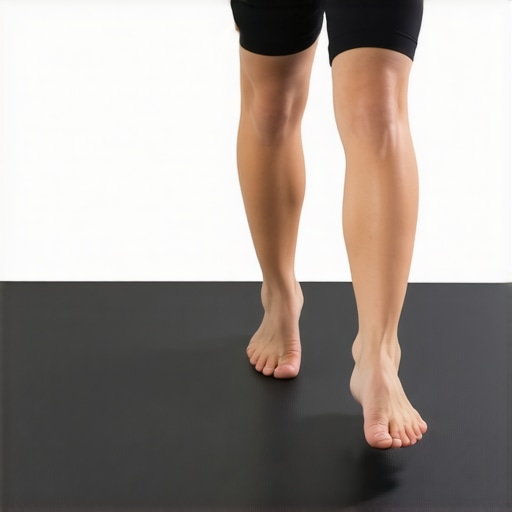
Use a mirror or ask someone to watch your feet while walking. Check for overpronation or supination; these distort your gait and load hips unevenly. Implement simple foot exercises, such as the 30-second foot drill (more details here), to enhance foot mechanics. I did this in my living room and immediately noticed improved balance during walks.
< >
>
Incorporate Hip Muscle Activation
Target muscles like the glutes and hip abductors with specific exercises. For example, clamshells and lateral leg lifts activate these muscles, helping stabilize your pelvis. I added 3 sets of 15 reps daily, which drastically reduced my hip soreness over a few weeks.
Practice Correct Walking Technique
Focus on heel-to-toe motion, keeping your knees aligned with your feet. Imagine walking on a tightrope to maintain balance. As I consciously corrected my stride, I experienced smoother movement and less pain, confirming that small adjustments matter.
Switch Up Your Environment
Alter your walking surfaces—cushioned tracks or flat pavement—to train different muscle responses. Changing terrain helps prevent overuse injuries and promotes adaptability. I included trail walks, which challenged and improved my gait further.
Seek Professional Guidance When Needed
If persistent discomfort remains, consider consulting a specialist. A chiropractor can assess your spinal and joint alignment (learn how adjustments help), providing targeted treatment to correct underlying issues that influence gait patterns. I visited a professional, and their adjustments complemented my exercises perfectly, accelerating my recovery.
Many assume that chiropractic adjustments or sports rehab are straightforward solutions for back pain and injuries, but the truth is more complex. A common misconception is that a single adjustment can permanently fix years of poor movement patterns or muscular imbalances. However, research highlights that adjustments are just one piece of the puzzle; long-term relief often depends on addressing underlying neuromuscular patterns and biomechanics (see how adjustments work scientifically). An overlooked nuance is the importance of integrating movement education and targeted exercises post-adjustment. Skipping this step can lead to quick regressions and frustration. Furthermore, many practitioners overlook that the brain and nervous system play critical roles in pain perception and muscle control—factors not resolved solely through manual therapy. This is why comprehensive approaches that include proprioceptive training and neuromuscular re-education tend to yield more durable outcomes. One trap to avoid is settling for passive treatments without active engagement; studies show that patients who combine adjustments with active therapy experience better, sustained improvements. For advanced readers questioning the depth, consider that adjusting a joint might temporarily alter neural pathways, but without retraining the motor patterns, the body reverts to dysfunctional habits (learn about effective rehab strategies). So, next time you visit your chiropractor or rehab specialist, ask whether they incorporate movement training and neuromuscular exercises into your protocol. Remember, true progress hinges on addressing the whole system, not just isolated joints. Have you ever fallen into this trap? Let me know in the comments.
Once you’ve made progress with gait adjustments and targeted exercises, maintaining these improvements requires reliable tools and consistent routines. Personally, I rely heavily on specific equipment that helps me monitor my movement patterns and reinforce proper biomechanics. One such tool is my digital motion sensor—a small device attached to my lower back that provides real-time feedback on my posture and movement quality. I use it during daily walks and when performing specific rehab exercises, which helps me identify tendencies to revert to old habits and correct them promptly.
Another essential is my smart mirror, which allows me to observe my form during exercises without a trainer. It’s an investment that pays off by catching subtle misalignments I might overlook otherwise. This visual feedback fosters greater awareness and helps me refine my technique, leading to more sustainable long-term results.
In addition, I incorporate specific software applications designed for neuromuscular training, which guide me through exercises that reinforce proper movement patterns and neural pathways. These platforms utilize data from wearable sensors to tailor routines, making rehab and maintenance more personalized and effective.
Looking ahead, I predict that wearable tech will become increasingly sophisticated, integrating AI to offer even more personalized insights—making it easier than ever to keep our backs and hips functioning optimally over years. The trend points toward proactive, data-driven maintenance rather than reactive treatment, empowering us to prevent setbacks before they emerge.
How do I maintain my improvements over time?
Consistency is key. Beyond the tools, I schedule regular check-ins with my chiropractor, using advanced chiropractic techniques for ongoing alignment. I also revisit core and hip stability exercises weekly, making small adjustments based on my body’s feedback. Recording my movement and pain levels helps me track progress and stay motivated. Remember, it’s not about perfection but persistence—staying vigilant with your tools and routines ensures lasting results. Consider adopting a smart sensor or mobility app to enhance your maintenance plan—these innovations can make a significant difference in long-term success. For a practical start, try integrating a daily 5-minute mobility check using simple apps or sensors, and observe how your body responds over time. If you’re ready to take it a step further, exploring specialized equipment like biofeedback sensors can elevate your rehab game and prevent relapses. Want guidance on selecting the right tools? Reach out through our contact page.
The Hardest Lesson I Learned About Adjustments and Gait Correction
One of the biggest realizations was that even minor misalignments in my spine or hips could significantly alter my walking pattern, contributing to persistent pain. Expecting quick fixes with adjustments alone was a mistake; real change required understanding the deeper neuromuscular patterns involved.
Another lesson was that rehabilitation isn’t just about targeting sore spots but retraining the nervous system to adopt healthier movement habits. This insight pushed me to incorporate proprioceptive and neuromuscular exercises alongside chiropractic care, leading to sustainable improvements.
Lastly, I discovered the importance of consistent self-monitoring. Using tools like motion sensors and mirrors helped me catch regressions early, ensuring my gait remained optimized and pain-free over time. These lessons taught me that lasting change comes from a holistic approach, blending manual therapy, movement education, and ongoing self-awareness.
This is Where Your Journey Begins: Tools to Elevate Your Hip and Gait Health
I’ve found that integrating technology can drastically enhance movement awareness. For instance, my digital motion sensor provides real-time feedback, helping me adjust my posture during walks. Additionally, a smart mirror offers visual cues that reinforce proper technique during exercises, accelerating progress.
Reading books like “The Role of Chiropractic Care in Effective Sports Injury Recovery” and exploring specialized apps for neuromuscular training have also enriched my understanding. These resources provide practical strategies to keep your gait aligned and free of pain, supporting long-term hip health.
Your Next Step Toward Pain-Free Movement
Transforming your gait and hip health is within your reach, especially when empowered with the right knowledge and tools. Remember, progress takes patience, consistency, and a willingness to explore beyond traditional treatments. Embrace these lessons, utilize innovative tools, and watch your mobility flourish—because a pain-free, confident stride is possible for everyone.
What adjustments or tools have you found most effective in improving your gait? Share your experiences below—your insights might inspire someone else on their journey!