
You know that sinking feeling after a grueling leg workout — the kind where every step feels like you’re dragging weights behind you. One morning, I woke up limping and regretting every squat I had done the day before. It hit me hard: why does recovery seem to take ages, and is there a way to bounce back quicker? That lightbulb moment led me down a rabbit hole of trial, error, and eventually finding some game-changing strategies. Today, I promise to share how I cut my recovery time and kept my legs fresh and pain-free, so you can do the same.
Why Most of Us Are Doing Recovery Wrong
When I first started pushing myself with heavier weights and longer sessions, I thought that the pain and stiffness were just part of the process. But I was making a crucial mistake — ignoring the importance of proper recovery techniques. I used to think resting meant just sitting around, waiting for the soreness to fade. Turns out, active recovery and targeted interventions can dramatically shorten that miserable period. Did you know that well-planned recovery can cut down muscle soreness by up to 50%? According to research, incorporating specific therapies like chiropractic adjustments can significantly boost your muscle repair process (source). It’s not just about feeling good; it’s about repairing smarter, faster.
Is Rest Alone Enough to Speed Up Recovery?
Early on, I believed that just giving my muscles time to heal was enough. Spoiler: it’s not. I learned the hard way that neglecting mobility work, nutrition, and professional care prolongs the pain and limits my progress. Trust me, I’ve been there — a mistake I made early was ignoring the role of chiropractic care in injury recovery, thinking it was only for back pain or sports injuries. But adjusting my hips and legs helped me regain mobility and reduce inflammation much faster. If you’re tired of feeling stiff and sore longer than necessary, exploring these strategies might be a game changer.
Getting Ready for Action
If you’ve ever faced stubborn, lingering soreness after a heavy leg day and wondered if there’s a better way, you’re in the right spot. Over the next sections, I’ll walk you through proven methods to accelerate your recovery, including specific chiropractor-approved techniques and lifestyle modifications. So, are you ready to get back on your feet faster? Let’s dive into the details and set you up for your next workout feeling stronger and more agile than ever.
Start with Precise Chiropractic Adjustments
Think of your spine and pelvis as the foundation of a house. If they shift out of alignment, every room — or muscle — feels the effects. My first step was scheduling a professional chiropractic assessment (see how chiropractic boosts recovery). During my visit, the chiropractor identified subtle pelvis tilts that were pulling my leg muscles out of sync. The adjustment felt like straightening a crooked picture frame, instantly restoring balance. This precision realignment reduces nerve interference and promotes faster muscle healing. Always seek a qualified chiropractor to tailor adjustments to your specific needs.Many people believe that chiropractic adjustments are a quick fix or even unnecessary until pain becomes unbearable. However, this misconception overlooks the nuanced role that chiropractic care plays in both prevention and long-term health maintenance. The truth is, many individuals underestimate the importance of proper technique, timing, and holistic integration in chiropractic therapy. In my experience, focusing solely on symptom relief without understanding the underlying biomechanics can lead to incomplete recovery and persistent issues.
Why Relying Only on Adjustments Can Backfire
While adjustments are crucial, they are often treated as standalone solutions. This narrow approach can create a trap: expecting the chiropractic visit to singlehandedly resolve complex back issues. Evidence shows that combining adjustments with targeted soft tissue work, strengthening exercises, and lifestyle modifications significantly improves outcomes (source). Ignoring these facets can result in temporary relief but not lasting results.
Another common myth is the belief that adjustments should be painful to be effective. In reality, gentle, properly applied adjustments are often more effective and safer. Over-aggressive techniques can cause unnecessary discomfort and even worsen alignment if not executed carefully.
Furthermore, many overlook the importance of diagnosing the true source of back pain. For instance, a misaligned pelvis may be a symptom rather than the root cause. Advanced practitioners consider the entire kinetic chain, addressing compensations elsewhere that could perpetuate pain (see how strategic adjustments solve long-term issues).
Understanding these nuances helps prevent the trap of short-term fixes that don’t last. Regular, proactive chiropractic care combined with patient education on posture, ergonomics, and strengthening routines supports sustainable back health.
Now, some might wonder about the risks: Is chiropractic safe for everyone? When performed by qualified professionals, studies affirm that chiropractic adjustments are generally safe and can be an integral part of holistic sports rehab (learn about sports-specific chiropractic strategies). However, avoid cheap, unqualified practices that could lead to adverse effects or exacerbate issues.
In summary, the key to effective back care goes beyond just cracking a few bones. It requires a comprehensive understanding of biomechanics, precise technique, and a tailored approach. Don’t fall for the myth that chiropractic is just a quick fix; instead, view it as a vital component of your long-term health strategy. Have you ever fallen into this trap? Let me know in the comments.
Maintaining a healthy and functional back over the long term requires more than just periodic adjustments; it involves leveraging the right tools and techniques to support your progress daily. One of my favorite methods is using a high-quality foam roller, specifically the TriggerPoint GRID Foam Roller. I personally find it indispensable for releasing myofascial tightness and enhancing tissue quality, which directly contributes to better mobility and reduced pain (see how foam rolling accelerates recovery). Its durable construction allows me to target stubborn knots, especially around my hips and lower back, promoting circulation and flexibility.
Parallel to manual therapies, I rely heavily on investing in a quality lumbar support pillow for daily sitting. The Everlasting Comfort Memory Foam Seat Cushion has been a game-changer. When I sit for extended periods, this pillow alleviates pressure on my lower lumbar and helps maintain proper spinal alignment (learn how ergonomic tools support back health). Ergonomic support devices are increasingly sophisticated, integrating cooling gel layers and adjustable straps, making it easier to adapt to different seating environments.
For strengthening and mobility training, I recommend resistance bands—particularly the TheraBand Resistance Bands. They are versatile and allow for safe, controlled exercise targeting specific muscle groups that stabilize the spine, such as the glutes, core, and surrounding musculature. Personally, incorporating banded glute bridges has helped me reinforce my posterior chain and prevent recurring issues (see how bands complement chiropractic care). Frequent use of these bands ensures consistent activation, crucial for long-term injury prevention.
Embracing technology can also streamline your maintenance routine. I utilize Chiropractic Ultrasound Devices like the portable ChiroPulse, which helps in reducing inflammation and enhancing blood flow to injured tissues. Especially useful for targeted pain relief, these devices enable you to perform light therapy treatments at home, saving time and maintaining progress between professional visits (discover the science behind ultrasound therapy).
Looking ahead, the future of back health maintenance lies in integrating smart technology—wearable sensors that monitor posture in real-time and apps that guide adaptive exercises based on your daily activity patterns. As these innovations become more affordable and user-friendly, they promise to make consistent, personalized care more accessible than ever. I encourage you to experiment with one of these tools—perhaps start with a foam roller or ergonomic support—and observe how your body responds over time. Small, consistent investments in your toolkit can lead to sustained back health and improved quality of life.
How do I maintain back health over time?
The key is developing a personalized routine that combines regular assessments, targeted exercises, ergonomic support, and professional care. Schedule periodic check-ins with a chiropractor familiar with sports rehab, and stay proactive with self-care tools tailored to your needs. Remember, consistency beats intensity; small daily habits compounded over months deliver the best results. Incorporate tools like resistance bands or posture-monitoring devices to keep your progress on track and catch issues early. For a comprehensive approach, complement these tools with lifestyle choices such as proper nutrition, hydration, and mindful movement habits (see essential lifestyle tips for back health).”}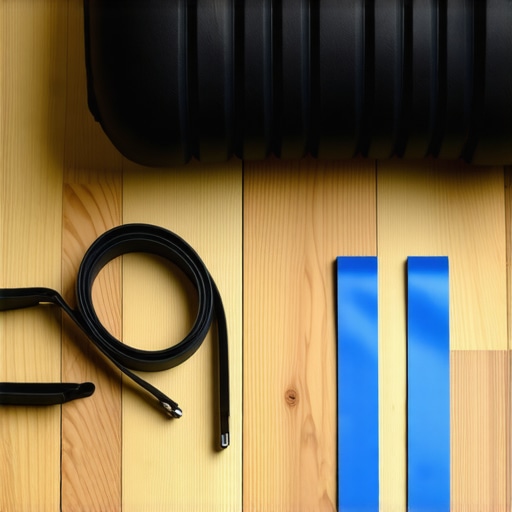
What the Hardest Lesson About Recovery Taught Me
- Ignoring the holistic approach—nutrition, mobility, and professional care—extended my pain and hindered progress until I realized they’re all connected.
- Chiropractic adjustments are powerful, but only when combined with tailored exercises and lifestyle tweaks, or they become just a temporary fix.
- My biggest misconception was that rest alone would heal my overworked muscles; active recovery and targeted therapies made all the difference.
- Consistency in self-care tools like foam rollers and ergonomic supports beats sporadic treatments—small daily habits build up into lasting health.
- Technology, from ultrasound devices to posture monitors, has transformed how I maintain back health, making proactive care accessible and effective.
Tools That Transformed My Back Care Routine
- TriggerPoint GRID Foam Roller: Its durability and design help release fascial tightness, accelerating mobility and reducing soreness.
- Everlasting Comfort Lumbar Support Pillow: Supporting proper spinal alignment during long sitting sessions prevents strain and maintains good posture.
- Resistance Bands like TheraBand: Versatile tools for strengthening core stabilizers that protect your back and prevent injury.
- Chiropractic Ultrasound Devices: At-home therapy for reducing inflammation and aiding recovery between professional visits, making ongoing care sustainable.
Take Action and Feel the Difference Today
Prioritizing your back health isn’t just about quick fixes; it’s about building a sustainable routine that keeps you moving confidently. Small, consistent steps—like integrating ergonomic tools or regular mobility work—create long-term benefits that empower you to train harder and recover smarter. Are you ready to apply these strategies and transform your recovery process? Let’s get started on a new chapter of healthier, pain-free movement.
What’s one recovery habit you’re excited to try or already practicing? Share your experience below—I’d love to hear how you keep your legs and back in top shape!