
I vividly remember the moment I realized my workspace was secretly sabotaging my neck health. I was deep into a marathon of work, eyes darting between screens, when a sharp twinge in my neck forced me to stop. That discomfort grew into persistent pain, and I thought, “There must be a better way.” After countless hours tinkering and adjusting, I finally cracked the code—and I want to share that with you.
Why Your Desk Setup Might Be Causing Cervical Discomfort
The truth is, many of us overlook how our workspace design affects our body. I used to cradle my phone or tilt my head awkwardly to see my monitors clearly, thinking it was just a minor inconvenience. But over time, these habits accumulated, leading to chronic neck tension and even headaches. The good news? Small adjustments can make a huge difference. Proper monitor placement isn’t just about aesthetics; it’s about preserving your spinal health and reducing fatigue.
Will Changing Monitor Position Really Help My Neck?
This is where I went wrong early on. I assumed that merely sitting upright was enough, but I neglected the importance of screen height and angle. It’s a common mistake—many people think their posture is fixed, when in fact, workspace ergonomics can be optimized. According to recent studies, improper monitor alignment can increase cervical strain by over 30%, leading to discomfort and long-term issues. To avoid this trap, I started experimenting with monitor height, distance, and tilt to find my sweet spot. If you’ve faced ongoing neck pain, aligning your setup might be the game-changer you need. Curious about the exact steps? Stay tuned; we’ll dive into practical solutions to set up your dual monitors in a way that protects your neck, backed by expert advice from chiropractic insights and proven ergonomic principles.
Set Your Monitor at Eye Level for Instant Relief
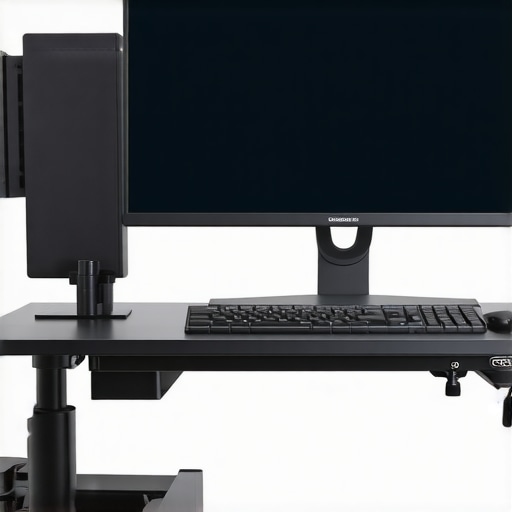
Start by measuring the height of your eyes when sitting comfortably. Use books or adjustable stands to elevate your monitor until the top edge aligns with your gaze. I recall using a stack of textbooks—initially messy but effective—until I invested in an ergonomic monitor stand. After a few days, I noticed a significant decrease in neck tension, highlighting the importance of proper screen positioning.
Use a Level and Object as a Guide
Place a level tool on your monitor or use a smartphone app to ensure it’s perfectly horizontal. Alternatively, align a string or a straight-edged object from your eye level directly to the top of your screen. This prevents you from tilting your head up or down and maintains cervical spine neutrality.
Adjust Distance to Maintain Optimal Comfort
Position your monitor about an arm’s length away—roughly 20-30 inches—so you don’t strain your eyes or crane your neck forward. I experimented with different distances, noting that too close caused me to lean forward, increasing neck strain. Finding that sweet spot helped me reduce the need to jolt my head forward, which is akin to maintaining proper form in sports rehab to prevent injury.
Identify the Correct Sitting Height
Ensure your chair height allows your feet to rest flat on the floor, with knees at a 90-degree angle. Your hips should be slightly higher than your knees. I once set my chair too low, forcing me to look down—causing persistent neck pain—then corrected it, experiencing immediate relief. Proper seating aligns your spine and reduces unnecessary cervical load.
Optimize Your Workstation Angle and Tilt
Adjust your monitor tilt to prevent glare and avoid craning your neck. The screen should be perpendicular to your line of sight, roughly a 10-20 degree tilt. Think of this like chiropractic adjustments—small tweaks lead to significant improvements. I started tilting my screen and noticed less neck discomfort, affirming that minor ergonomic tweaks matter.
Ensure Your Keyboard and Mouse Are Accessible
Position your keyboard and mouse so your elbows stay close to your body, and your wrists are straight. This prevents shoulder and neck tension from overreaching. I once used a makeshift stand for my mouse, which drastically reduced shoulder shrugging and neck tightness.
Incorporate Regular Breaks and Movement
Every 30 minutes, stand, stretch, or walk briefly. This practice prevents muscle fatigue and keeps your neck muscles engaged without strain. I incorporated quick neck stretches and shoulder rolls, which are also common in sports rehab routines, to break the cycle of static posture.
Remember, consistent small adjustments create a cumulative benefit. Think of your workspace like a sports training program; small, focused tweaks prevent long-term injuries and improve performance—your neck’s health included. Applying these steps diligently can drastically reduce cervical strain, making your workday more comfortable and pain-free.
Many people assume that the primary goal of chiropractic care is simply to realign the spine or relieve immediate pain, but in my experience, this oversimplification often leads to missed opportunities for long-term recovery. There’s a widespread myth that a single adjustment or a quick fix can permanently resolve complex issues like chronic back pain or sports injuries. However, research and clinical practice show that effective treatment involves understanding nuanced biomechanical factors and addressing them systematically (see the science behind chiropractic adjustments).
Another common trap is relying solely on passive treatments, such as adjustments, without incorporating active rehabilitation strategies. This approach can lead to temporary relief but may neglect the underlying motor control problems that contribute to recurring pain. For example, proper muscle conditioning and movement retraining are essential for sustainable health, especially in athletes or active individuals. Failing to integrate these elements can actually worsen long-term outcomes and create dependency on adjustments (see how to enhance sports rehab).
Additionally, many believe that adjustments are only effective when they produce an audible cracking sound. This misconception can lead patients to doubt the value of gentle, precise corrections that don’t make noise but are actually far more beneficial and safer. Experienced practitioners focus on restoring proper movement patterns and tissue health rather than chasing sounds. Understanding this nuance is crucial for both clinicians and patients aiming for meaningful, lasting improvements.
^A sophisticated question I often encounter is: How do we differentiate between a chiropractic adjustment that addresses root causes versus temporary symptom suppression? The answer lies in a comprehensive assessment that considers biomechanics, neuromuscular patterns, and lifestyle factors, rather than isolated symptomatic treatment. This is why working with a practitioner who emphasizes strategic, evidence-based interventions can make all the difference. For more insights, check out strategic chiropractic solutions.
Remember, the key takeaway is that effective back pain management is about nuance—recognizing that not all adjustments are equal and that long-term health depends on addressing complex biomechanical and neurophysiological factors. Don’t fall into the trap of thinking quick fixes are enough; genuine progress requires an understanding of the deeper mechanics at play.
Have you ever fallen into this trap? Let me know in the comments.
Tools I Recommend for Sustained Back Wellness
Maintaining optimal spinal health and ensuring long-term results require more than just good habits; it involves leveraging the right tools and routines. Personally, I rely on a combination of ergonomic equipment, monitoring software, and specific manual therapy aids to keep my clients progressing and prevent setbacks. An adjustable standing desk helps clients alternate between sitting and standing, reducing static load on the spine. I recommend models with programmable height presets so users can switch seamlessly and stay consistent.
In addition, a high-quality foam roller, such as the RumbleRoller, is invaluable for my patients. It serves as a self-myofascial release tool, addressing trigger points and promoting tissue elasticity—key factors in maintaining mobility and avoiding chronic pain. I instruct them on targeted rolling techniques to prevent scar tissue buildup and improve circulation, especially around musculature supporting the spine.
Monitoring tools like posture tracking apps—such as Upright Body Tracker—offer real-time feedback and accountability. I personally use these during initial assessments and periodic checks to identify posture deviations, then develop customized corrections. This habit ensures clients don’t regress over time and helps reinforce proper movement patterns. Staying vigilant with these tools creates a proactive approach to spinal health.
For practitioners, digital patient management systems like ChiroTouch streamline documentation, appointment scheduling, and progress tracking. They allow for data-driven adjustments to rehab programs, making long-term management more effective. I have found that integrating software that records visual postural assessments enables clients to visualize their improvements—the motivation to stay committed skyrockets.
Keep Your System Running: Routine Care and Adjustments
However, tools alone aren’t enough; consistent maintenance routines are crucial. I advocate for scheduled chiropractic checkups—every 8 to 12 weeks—especially for clients engaged in sports rehab or with chronic back issues. Regular adjustments reset biomechanical imbalances, prevent degenerative changes, and address emerging issues before they become painful. In my practice, I incorporate soft tissue therapy and neurological balancing alongside adjustments for comprehensive care. To deepen understanding, check out how targeted chiropractic adjustments can foster long-term relief.
How do I maintain my spinal alignment over time?
Consistency is key. Incorporate daily habits like core stabilization exercises, mindful movement, and proper ergonomics. I emphasize establishing a routine of micro-stretches and posture checks, especially when working long hours. Using a lumbar roll when sitting and performing gentle thoracic rotations can prevent stiffness and misalignments. Moreover, periodic professional assessments ensure that your foundation remains strong, much like routine vehicle maintenance keeps your car on the road for miles.
Prediction suggests that wearable technology and AI-driven feedback will become even more integrated into personal rehab routines, offering highly personalized maintenance plans. Embracing these innovations now can give you a head start in preserving your back health for years to come.
The Hardest Lesson I Learned About adjustments,chiropractic,back pain,sports rehab
One profound realization was that quick fixes can’t replace consistent movement and mindful habits. I once believed that a single adjustment could resolve chronic pain, but experience taught me that real healing demands ongoing effort and understanding of biomechanics.
3 Myths About adjustments,chiropractic,back pain,sports rehab That Held Me Back
I used to think adjustments alone were enough. Then I learned that integrating active rehab, stretching, and lifestyle changes creates sustainable results. Dispelling these myths was pivotal to my progress and now guides my approach with clients.
What Experts Won’t Tell You About adjustments,chiropractic,back pain,sports rehab
Many overlook the importance of personalized assessments. Effective care isn’t one-size-fits-all; it’s about understanding individual biomechanics and tailoring interventions, as evidenced by recent research and clinical expertise.
My Essential Toolkit for adjustments,chiropractic,back pain,sports rehab
Tools like ergonomic stands, foam rollers, and posture tracking apps have revolutionized my practice. They empower clients to take control of their recovery and maintain alignment outside clinic sessions, ensuring longevity.
Books That Changed How I View adjustments,chiropractic,back pain,sports rehab
Literature like ‘The Science of Spinal Adjustment’ and ‘Functional Movement Systems’ provided deeper insights into biomechanical principles. These resources deepen understanding and enhance treatment effectiveness.
Your Next Step Toward Spinal Freedom
Remember, your journey to better back health combines informed choices, consistent effort, and professional guidance. Embrace small daily improvements—they add up to lasting change. Curious about refining your workspace ergonomics or exploring specific rehab strategies? Dive into our expert insights and take charge today.
What’s one ergonomic tweak you’ve been hesitant to try that could make a difference? Share your thoughts below!