
I remember the first time I sprained my ankle during a casual game of basketball. I hobbled to the sidelines, instinctively grabbing the ice pack, believing that the cold would be the quick fix. But as the days went on, I noticed my recovery stagnating, swelling persisting, and frustration mounting. It was a lightbulb moment for me—icingsometimes isn’t the answer we think it is. In fact, continuous icing can sometimes slow down healing by reducing blood flow to the injured tissue.
Why Rest and Ice Might Not Be Your Best Bet for Ankle Recovery
When it comes to ankle sprains, the common advice is to follow the R.I.C.E. method: Rest, Ice, Compression, Elevation. But recent studies suggest that this approach might be outdated. Prolonged ice application can impair circulation, delay tissue repair, and even increase stiffness. Instead, I’ve learned that gentle movement and targeted rehab exercises promote healing far better than static ice packs. In my experience, swapping out ice for controlled mobility made a tremendous difference in how quickly I regained strength and stability.
Is It Really Worth Ditching the Ice?
Early on, I made the mistake of sticking with ice for too long, fearing I was doing the right thing. But holding onto this routine killed my ankle’s natural ability to heal. Trust me, I understand the skepticism—it’s ingrained in us from years of injury advice. The science backs up my experience; research shows movement facilitates better blood flow and tissue regeneration. Want to learn the movement that replaced icing in my rehab arsenal? Keep reading, and I’ll guide you through a proven strategy that might just change how you handle sprains forever.
To see why this shift is crucial, check out [this article](https://motiontherapypro.com/the-role-of-chiropractic-care-in-effective-sports-injury-recovery) that explains how proper mobility and chiropractic care can accelerate recovery. Now, let’s dive into the movements that truly make a difference—and how you can start integrating them today.
Engage in Controlled Mobility to Accelerate Healing
Start with gentle, pain-free movements that mimic functional activities. For example, during my own ankle recovery, I began with toe raises and ankle circles, ensuring I didn’t push into pain. These movements promote blood flow, bringing oxygen and nutrients to damaged tissues, which speeds up healing. Imagine your ankle as a garden—just like plants need water and sunlight, injured tissue needs movement to flourish again. Incorporate light ankle rolls and weight shifts on an even surface, performing 10-15 repetitions daily. This approach also helps prevent stiffness and regains range of motion faster than prolonged immobilization. Remember, the goal isn’t to push through pain but to introduce movement that encourages repair.
Implement Specific Activation Exercises for Stability
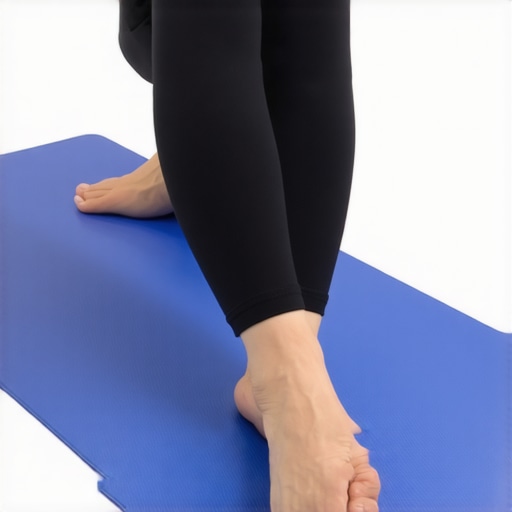
Once mobility improves, focus on activating supporting muscles to regain stability. During my personal rehab, I found that integrating balance exercises, such as single-leg stands on an unstable surface, made a significant difference. These exercises strengthen the muscles around the joint, reducing the risk of re-injury. To do this effectively, stand on your injured side for 30 seconds, gradually increasing duration. Use a pillow or balance pad to challenge your stability progressively. This phase also includes strengthening exercises like resisted ankle dorsiflexion with a resistance band, which mimics real-life demands. Consistent activation not only stabilizes the joint but also rebuilds confidence in movement.
Incorporate Chiropractic Techniques to Enhance Recovery
Chiropractic adjustments can play a pivotal role by ensuring the joints and surrounding tissues are properly aligned. When my ankle was out of sync, manual adjustments helped restore proper motion, reducing pain and preventing compensation patterns elsewhere. Regular sessions targeting the lower limb and spine help maintain mobility and promote proper biomechanics. For example, my chiropractor applied specific manipulation to the ankle and knee to release restrictions. Combined with targeted rehab, these adjustments support faster and more effective recovery. To learn how chiropractic care complements your rehab, visit this resource.
Listen to Your Body and Progress Gradually
Throughout the rehab process, pay close attention to your body’s signals. On my first attempt at more challenging exercises, I experienced mild discomfort, signaling I was ready to advance. Slowly increasing the intensity and complexity of movements prevents setbacks. Track your progress with a rehab journal, noting any pain or swelling. Incorporate rest days to allow tissues to heal and avoid overloading the joint prematurely. Remember, consistency and patience are key—rushing can lead to reinjury or chronic issues. By integrating controlled mobility, stabilization exercises, chiropractic support, and listening to your body, you’ll set a foundation for a stronger, healthier ankle.
,Many people believe that chiropractic adjustments are a quick fix for back pain or sports injuries, but this common misconception often leads to frustration and missed opportunities for true healing. The truth is, there’s a nuanced layer that many overlook, and understanding it can dramatically transform your recovery process.
One of the biggest myths is that adjustments alone are enough to restore long-term health. In reality, a comprehensive approach that includes movement re-education, muscular stabilization, and lifestyle modifications is essential. Relying solely on spinal manipulations without addressing underlying patterns can offer temporary relief but rarely cures the root cause. Experts like Dr. David Seaman emphasize that combining adjustments with targeted rehab strategies yields the best results, a fact supported by ongoing research into holistic spinal care.
What Do Most People Overlook About the Real Benefits of Adjustments?
Many assume that adjustments create instant, permanent fixes. However, when not integrated into a broader treatment plan, their effects can diminish over time. The real power lies in how adjustments reset nerve function, creating a foundation for effective muscle retraining and habit correction. This synergy accelerates healing and prevents recurrent issues. For instance, patients who combine chiropractic work with proper movement therapy tend to experience faster, more sustainable improvements, as detailed in studies on neuro-musculoskeletal integration.
Here’s the catch: many practitioners fall into the trap of applying adjustments without evaluating the entire kinetic chain—hips, pelvis, shoulders, and even foot alignment—which are vital for proper mechanics. Failing to address these can perpetuate dysfunctional patterns, undermining the adjustment’s effect. Fortunately, solutions lie in advanced manual techniques and functional assessments, which are increasingly becoming standard in expert practices. Want to explore how these strategies can boost your recovery? Check out this guide.
Maintaining progress in your back pain management or sports rehab journey requires not only dedication but the right equipment and techniques. Over the years, I’ve curated a collection of tools that have become indispensable in my practice and personal routines, ensuring sustained results and smooth scaling of recovery efforts. One of my top recommendations is the use of a quality foam roller, specifically the TriggerPoint GRID foam roller. Unlike cheap alternatives, this roller’s durable surface provides the optimal density for myofascial release, helping prevent muscle tightness that often leads to re-injury. I personally use it daily to target tight points in the lower back and hips, which are crucial for maintaining spinal health. For added effectiveness, I incorporate the use of a lacrosse ball for pinpoint therapy on stubborn trigger points, especially around the pelvis and lumbar region. These tools facilitate self-myofascial release, which research shows can significantly improve flexibility and reduce pain in a sustainable way. As I look ahead, I predict that smart, app-enabled self-treatment devices will become standard, guiding users through personalized routines and tracking progress seamlessly. How do I keep my back healthy over time? Consistent mobility work paired with strategic use of tools like the foam roller and lacrosse ball is key. Regular chiropractic check-ins, as outlined in [this article](https://motiontherapypro.com/the-role-of-chiropractic-care-in-effective-sports-injury-recovery), complement this approach by ensuring optimal joint alignment. I also recommend supplementing these tools with digital monitoring platforms such as the Satori app, which I use to log my rehab activities and pain levels, allowing for tailored adjustments. Lastly, incorporating stability and strengthening tools like resistance bands, specifically those designed for proprioceptive training, can elevate your rehab from temporary relief to long-term resilience. These bands enable dynamic exercises that challenge balance and activate supporting musculature—crucial for preventing recurrence. Platforms like Keoni FX provide excellent resistance bands that I personally rely on for targeted strengthening routines. Moving forward, integrating technology and traditional tools will make long-term back health more achievable than ever. I encourage you to try adopting a foam roller session before your next workout or rehab session — it might be the breakthrough you need to keep your progress on track and prevent setbacks. Remember, consistency with these tools, combined with professional guidance, will help you enjoy enduring results and confidently scale your recovery efforts.
The Hidden Lessons That Changed My Approach to Rehab
One of the most profound realizations I had was that over-reliance on passive treatments like icing can hinder progress. Instead, embracing controlled movement, listening to my body’s signals, and integrating chiropractic care created a faster, more sustainable healing process. I learned that patience and active participation are key, often more than just applying a quick fix.
Another insight came from understanding how interconnected the body is. Addressing only the injured area without considering the whole kinetic chain—hips, pelvis, spine—can leave lingering issues. Treating the root causes rather than just symptoms has transformed my rehab journey, emphasizing the importance of comprehensive care.
Finally, I discovered that tools like foam rollers and resistance bands are more than gadgets; they are extensions of personalized rehab strategies. Using them consistently, guided by professional advice, empowers you to take control of your recovery, making progress feel more attainable and enduring.
My Go-To Resources for Better Back and Hip Health
I’ve found certain tools and sources invaluable in maintaining long-term health. Chiropractic care guides provide insights into proper alignment and biomechanics, which are foundational for lasting recovery. For targeted exercises, lifestyle tips offer practical advice to prevent setbacks. Additionally, I rely on evidence-based tools like resistance bands and foam rollers, as discussed in these resources, to support my ongoing mobility. Lastly, digital apps that track progress help me stay consistent, ensuring I remain proactive about my health.
Take Action and Keep Moving Forward
The journey to optimal back and hip health isn’t about shortcut fixes but consistent, informed efforts. Remember, the most effective recovery strategies blend active movement, professional guidance, and sustainable habits. Your body has remarkable resilience—trust in the process, stay patient, and incorporate the right tools and techniques every day. If you’re ready to make a lasting change, start today by integrating gentle mobility exercises or consulting a specialist to tailor your rehab plan. Your future self will thank you for it.
What small step will you take today to move closer to pain-free hips and backs? Share your plans below—I’d love to hear your story!