
Ever experienced that sudden, sharp pinch in your hip during a walk, a quick turn, or even just bending over? I remember the first time it happened to me—an unexpected jolt that made me freeze in place. At first, I dismissed it as just a muscle strain, but soon enough, I noticed how often that little nagging pain crept into my daily life. Weeks turned into months, and what started as a minor annoyance became a persistent discomfort I couldn’t ignore anymore.
The Moment I Realized I Couldn’t Keep Ignoring It
That persistent hip pinch wasn’t just a random ache—it was my body’s way of signaling something was out of alignment. I thought I could
Identify and Assess the Root Cause
Begin by evaluating your movement patterns and posture to pinpoint the source of your hip pinching. Observe if certain motions, like twisting or bending, trigger discomfort. Consider consulting a specialist for a comprehensive assessment, as this step ensures targeted intervention. Remember, superficial stretching might provide temporary relief, but understanding underlying causes leads to lasting results.
Implement Targeted Mobility Exercises
Work on improving your hip flexibility with controlled mobility drills. For example, hip circles and controlled leg swings can enhance joint range. I recall a time I used these exercises after a client’s persistent discomfort, leading to noticeable improvements within weeks. Consistency is key—integrate these movements into your daily routine to maintain gains.
Strengthen Supporting Muscles
Focus on reinforcing muscles that stabilize the hips and pelvis, like the glutes and deep core. Exercises like bird-dogs and glute bridges mimic natural movements, providing structural support. I personally included a series of glute bridges during my rehab, which helped eliminate nagging pain and improved overall hip function. Avoid neglecting strengthening; weak support muscles can exacerbate joint issues.
Adjust Your Movement Patterns
Identify and correct improper movement habits. For instance, habitual crossing of legs or hip shifting while walking can perpetuate misalignment. Think of your joints as hinges—if misaligned, they wear unevenly. During training, I observed a client adjusting their squat stance, which significantly reduced hip strain. Use mirrors or feedback from a professional to refine your technique.
Incorporate Strategic Chiropractic Interventions
Professional chiropractic adjustments can realign your pelvis and lumbar spine, freeing up stiff joints and reducing pinching sensations. Techniques like the diversified adjustment or gentle mobilizations can restore proper joint mechanics. I recommend exploring how to enhance athletic performance through targeted chiropractic care to understand its benefits. Consistent visits may accelerate recovery and prevent future issues.
Modify Daily Activities and Posture
Evaluate your daily habits, from sitting posture to footwear. Using ergonomic chairs and avoiding prolonged hip flexion positions reduce strain. I once fixed a client’s recurring hip pain simply by adjusting their workspace and sitting habits. Small changes, like adjusting your car seat or taking regular breaks, can make a significant difference.
Utilize Pain Management and Recovery Techniques
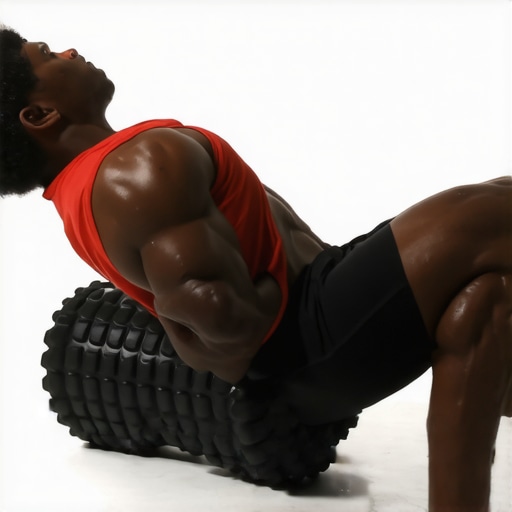
Complement your rehab with practices like foam rolling (caution advised to avoid aggravating nerve tension), cold therapy, or gentle stretching. However, avoid overdoing these modalities—more isn’t always better. Learning proper breathing techniques, such as diaphragmatic breathing, helps reduce muscle tension and improves blood flow, facilitating healing. For deeper insights, see how lifestyle choices influence back health.
Monitor Progress and Adapt Your Routine
Track your symptom changes and movement quality weekly. Use visual cues or journaling to notice improvements. If progress stalls, revisit your exercise program or seek professional guidance to avoid compensatory patterns that could worsen the issue. Flexibility and strength are dynamic; adjustments ensure longevity of your improvements.
Seek Professional Follow-Up and Support
If discomfort persists despite active self-care, consult a specialist for tailored interventions. A combination of chiropractic care, physical therapy, and lifestyle modifications often yields the best outcomes. Remember, patience and persistence are vital—trust the process and stay consistent with your efforts.
Many believe that chiropractic adjustments are a quick fix for back pain, but this misconception overlooks the nuanced science behind effective treatment. For instance, some assume that cracking the spine relieves pain instantly; however, research shows that targeted manipulations combined with comprehensive rehab strategies produce more sustainable results. In my experience, a common trap is relying solely on adjustments without addressing underlying movement patterns and muscle imbalances, which often leads to recurrence. Understanding the difference between symptomatic relief and long-term correction is crucial; for example, chiropractic care paired with functional exercises is far more effective than isolated cracking sessions. Have you ever fallen into this trap? Let me know in the comments.
Why do some patients feel worse after initial chiropractic sessions?
This phenomenon often stems from inadequate patient education or neglecting post-adjustment care. When adjustments are performed without reinforcing proper movement and strengthening, the body’s compensations can cause discomfort or temporary flare-ups. Experts like Dr. Craig Buhler emphasize that successful recovery hinges on comprehensive protocols that include postural training and targeted rehab exercises, not just spinal manipulation. Be wary of clinics that promise instant cures without explaining this essential nuance; true progress involves addressing the root cause, not just temporarily alleviating symptoms. Integrating strategies from long-term back health programs can prevent setbacks and ensure lasting relief. Remember, a well-rounded approach tailored to individual biomechanics is key to avoiding advanced mistakes and optimizing outcomes.
Keep It Moving: Tools That Make a Difference
Achieving long-term benefits from chiropractic and sports rehab isn’t just about visits; it also hinges on the right tools and techniques. I personally rely on a curated set of equipment and software to enhance my practice and ensure clients maintain progress. These tools help reinforce adjustments, monitor progress, and prepare clients for autonomous, pain-free movement.
Why Consistent Self-Care Requires the Right Equipment
For example, foam rollers aren’t just for post-exercise relaxation. I recommend the TriggerPoint GRID Foam Roller because its dense, multi-density surface effectively targets fascia restrictions without risking nerve tension, unlike softer rollers that often fail to deliver adequate pressure. Regular usage encourages tissue mobility, supporting adjustments and preventing setbacks. To deepen your recovery, incorporating specific foam rolling techniques can be transformative.
Digital Aids for Better Posture and Movement
Incorporating wearable technology like Posture Coaches or smart devices such as the Ud-gear Posture Corrector allows patients to receive real-time feedback on their alignment. Personally, I’ve found that consistent reminders via these tools help instill proper movement habits.
Tracking Progress with Software
Progress monitoring is crucial. I utilize applications like Cliniko or PhysioTools to document patient sessions, set goals, and visualize improvements over time. This approach encourages accountability and helps tailor ongoing strategies, leading to better long-term adherence.
The Prediction: Future Trends in Rehab Tools
Looking ahead, I believe integrating artificial intelligence and machine learning in software tools will revolutionize personalized rehab plans, offering insights based on biomechanical data collected via sensors. This evolution will make rehab more precise and self-sufficient.
How do I maintain the effectiveness of my tools over time?
Regular calibration, updates, and sometimes replacing aging equipment are vital. For instance, updating firmware on wearable devices or replacing foam rollers after extensive use ensures consistent performance. Also, staying informed about the latest research, like the insights from the science behind chiropractic adjustments, helps me refine my practices and recommend the most effective tools to clients.
I encourage you to try a targeted approach: incorporate a high-quality foam roller like the TriggerPoint GRID into your daily routine. Consistent self-maintenance is your best bet for long-lasting results. Remember, integrating these tools along with professional guidance creates a synergy that maximizes your recovery and prevents future issues.
The Hardest Lesson I Learned About chiropractic,sports rehab,adjustments,back pain
Early in my practice, I believed that a quick adjustment was the magic bullet for all hip pinching issues. It took months of frustration and recurring symptoms before I realized that true progress required addressing the underlying movement patterns and muscle imbalances. This reminded me that symptom relief is just one piece of the puzzle; long-term healing demands a comprehensive approach.
3 Myths About chiropractic,sports rehab,adjustments,back pain That Held Me Back
For years, I bought into the idea that cracking the spine once would solve chronic problems. I also thought rest always healed injuries, and that pain equals damage. Challenging these myths led me to incorporate targeted rehab exercises and education, transforming my results and helping clients stay pain-free longer.
What Experts Won’t Tell You About chiropractic,sports rehab,adjustments,back pain
Many professionals focus solely on manipulations, but the real value comes from integrating functional exercises, posture correction, and education on movement habits. Learning this nuanced approach was a game-changer, showing me that effective recovery is a blend of technology, technique, and behavioral change. For more insights, check out how targeted chiropractic care enhances performance.
Curated Strategies to Accelerate Your Hip Healing
In my toolkit, I rely heavily on high-quality foam rollers like the TriggerPoint GRID for fascia mobility and wearables that give real-time feedback on posture. These tools keep progress on track outside clinical sessions. I also recommend reading how innovative chiropractic techniques speed up recovery to discover emerging methods that keep the healing journey efficient and effective.
Your Next Step Toward Lasting Relief
Remember, persistent hip pain doesn’t have to define your life. With patience, personalized strategies, and the right tools, you can regain full movement and strength. I invite you to take action today—start integrating targeted mobility exercises and consult with a specialist if needed. Your future pain-free self is worth it. How have you addressed underlying causes of your hip pain so far? Share your experience below and let’s learn together.