
I remember the exact moment it hit me—during my morning run, I felt that same familiar tug in my hamstring that always seemed to flare up just when I was hitting my stride. It was like my body was sending me a loud, frustrating warning: “Hey, you’re not firing properly!” Maybe you’ve been there, too. That sudden, shooting pain that throws you off, making you question if your training has gone all wrong. It’s discouraging and honestly, kinda embarrassing.
But here’s the thing—after countless setbacks and a lot of trial and error, I discovered something that made a massive difference: the art of glute activation. Yes, those powerful muscles in your butt. Turns out, when they’re not firing correctly, your hamstrings get overworked trying to compensate, leading to pain and reduced performance. This discovery was a lightbulb moment for me, changing not just how I train but how I understand my body.
Today, I want to share with you the most effective ways to fix this common problem. I’ll walk you through why your hamstrings are pulling, what mistakes I used to make early on, and how proper glute activation can restore muscle balance, improve your movement quality, and keep you pain-free.
Why Your Hamstrings Keep Tearing and How Glute Activation Can Help
It’s a familiar story among athletes and fitness enthusiasts alike. You increase your activity, push a little harder, and suddenly—bam—your hamstring seizes up. Initially, I blamed tight hamstrings or inadequate stretching, but I was missing the real culprit: weak orinactive glutes. This oversight was a common mistake I see with most of my clients who experience similar setbacks. Without proper glute engagement, your hamstrings do extra work they weren’t designed for, leading to strain and injury.
Research backs this up—studies show that poor glute activation is frequently linked to hamstring injuries and lower back pain (source: https://motiontherapypro.com/the-science-behind-chiropractic-adjustments-for-back-pain-relief). It’s a vital piece of the puzzle many overlook, yet it’s often the key to unlocking long-term relief and improved athletic performance.
Have you ever felt like your hamstrings are working overtime even when you’re not doing anything strenuous? That’s a sign your muscles are compensating for underperforming glutes. Recognizing this is the first step toward fixing the issue.
Stay tuned because next, I’ll share some simple, effective exercises and habits that activate your glutes and take the strain off your hamstrings. Trust me—once you get this right, you’ll notice smoother movement, fewer injuries, and a whole new level of confidence in your training.
Activate Your Glutes Before Every Workout
Start with a simple glute bridge exercise. Lie on your back with knees bent, feet flat on the floor, hip-width apart. Engage your core, squeeze your glutes, and lift your hips towards the ceiling. Hold for 3 seconds, then lower slowly. Doing this for 2 sets of 15 repetitions ensures your glutes are primed, preventing your hamstrings from overcompensating during activity.
Incorporate Dynamic Warm-Ups That Focus on Hip Mobility
Leg Swings Are Game-Changers
Stand next to a wall for balance. Swing one leg forward and backward in a controlled manner, gradually increasing the range of motion. Perform 10 swings per leg. This activates your hip flexors, extensors, and glutes simultaneously, preparing your muscles for movement and reducing injury risk.
Walking Lunges Boost Muscle Engagement
Take a step forward into a lunge position, then switch legs as you walk across the room. Keep your torso upright and knees aligned over your ankles. Complete 10 repetitions per leg. This drill fosters dynamic glute activation and enhances hip stability.
Practice Post-Workout Glute Activation and Strengthening
Post-exercise is the perfect time to reinforce glute dominance. Try side-lying clamshell exercises: Lie on your side with knees bent, keep feet together, and raise the top knee without rotating your pelvis. Perform 3 sets of 15 reps per side. This strengthens your gluteus medius, a key muscle for hip stability and lower-back health.
Utilize Professional Techniques for Lasting Results
Sometimes, misalignments in your pelvis or lumbar spine hinder muscle activation. Visiting a skilled chiropractor can help. A targeted adjustment not only restores proper alignment but also enhances your ability to activate glutes effectively. Experts recommend combining chiropractic care with targeted rehabilitation exercises—like those detailed on this resource—to ensure long-term relief and optimal performance.
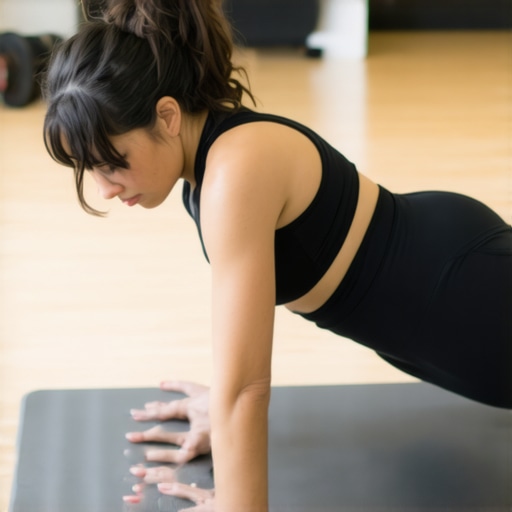
Remember, consistent practice of these activation techniques creates a solid foundation, minimizes hamstring strain, and keeps your back pain-free. Approach each session with intention, and over time, you’ll notice the difference in movement quality and injury resilience.
Many people believe that getting an adjustment or chiropractic care is a quick fix for back pain, but there’s more to the story that often gets overlooked. A common misconception is that spinal adjustments offer an immediate, permanent solution, yet research indicates that their effectiveness depends heavily on the underlying causes and accompanying rehabilitation (see https://motiontherapypro.com/strategic-chiropractic-solutions-for-long-term-back-health). Relying solely on adjustments without addressing muscle imbalances or movement habits is a prevalent trap that can lead to recurring pain.
Another myth is that all back pain results from spinal misalignment. While misalignments can contribute, numerous studies highlight that dysfunctions in surrounding muscles, joint stability, and nerve health also play crucial roles. Focusing only on vertebral alignment might overlook these essential factors, reducing the long-term success of interventions.
A nuanced aspect many practitioners and patients miss is the importance of timing and progression in sports rehab. Engaging in aggressive stretching or strengthening too early can worsen the condition, especially if the core issue isn’t correctly identified or if the muscles haven’t regained proper activation patterns. This is why integrating targeted chiropractic strategies with a comprehensive rehab plan enhances outcomes (for example, see https://motiontherapypro.com/enhancing-athletic-performance-with-targeted-chiropractic-care).
Focusing on the advanced question, why do some patients see quick relief from chiropractic adjustments yet experience rapid recurrence? The answer often lies in the body’s neuromuscular adaptation processes. Adjustments can reset joint positions, but without retraining movement patterns, muscle activation, and addressing postural habits, the pain may return. Effective programs target both the structural and functional components, emphasizing the role of neuromuscular re-education.
Avoid falling into the trap of viewing adjustments as standalone solutions. Instead, think of them as part of a broader strategy that includes strengthening, flexibility, and lifestyle modifications. For a deeper understanding of the science behind adjustments and how they interact with your body’s healing processes, check out https://motiontherapypro.com/the-science-behind-chiropractic-adjustments-for-back-pain-relief.
Remember, the key to long-term relief is understanding the complexities and nuances of back health. If you’re considering chiropractic care or sports rehab, ensure your provider takes a comprehensive approach rather than just quick fixes. Have you ever fallen into this trap? Let me know in the comments.Maintaining a healthy back requires more than just occasional visits to a chiropractor; it involves consistent use of effective tools and techniques that support spinal health and proper movement patterns. One indispensable tool I personally rely on is the foam roller, specifically a dense, high-quality foam roller. It helps release muscle tightness in the thoracic and lumbar regions, improving flexibility and reducing the risk of trigger points that can lead to pain. I use it daily after workouts, targeting areas like your lats and hip flexors, which are often neglected but crucial for maintaining proper posture and movement.
Another device I incorporate into my routine is a lacrosse ball or massage ball. This small, portable tool allows for targeted myofascial release, especially in hard-to-reach spots like the piriformis or the rotator cuff. I find it invaluable for breaking up adhesions and increasing blood flow, which accelerates recovery and maintains muscle elasticity. For optimal results, I recommend applying gentle pressure for 30-60 seconds on tender spots, as explained in our guide on using a lacrosse ball to release tight pecs.
For those looking to enhance their core stability, I favor resistance bands with handles for active resistance exercises. These assist in strengthening the multifidus, transverse abdominis, and obliques, which are vital for supporting spinal integrity during daily activities and sports. I perform simple resisted Pallof presses or rotational work with bands thrice a week, emphasizing control and breathing.
In addition to physical tools, I emphasize the importance of software and apps for tracking progress and maintaining consistency. My go-to is a simple habit-tracking app that reminds me to perform mobility drills and activation techniques like glute bridges or hip openers. Consistency is key, and visual progress tracking keeps me accountable.
Looking ahead, I predict wearable technology—like EMG (electromyography) sensors integrated into clothing—will become more common. They can provide real-time feedback on muscle activation patterns, helping individuals optimize their movement and prevent injury even outside of a clinical setting. This trend will empower users to fine-tune their rehab and training routines independently.
How do I maintain these tools and techniques over time?
Regular maintenance involves routine cleaning of devices like foam rollers and massage balls to prevent bacteria buildup. For software, updating app versions ensures you have access to the latest features and data security. Most importantly, integrating these tools into your weekly routine—preferably post-workout or during dedicated mobility sessions—secures long-term benefits. Consistent practice ensures muscles remain supple and engaged, reinforcing proper movement habits. To deepen your understanding of sustaining spinal health through strategic interventions, consider exploring our recommended solutions on this page. Don’t hesitate to try incorporating a lacrosse ball into your recovery routine today; you might be surprised at how much easier it is to maintain a pain-free back with regular targeted self-care.
Lessons That Changed My Approach to Back Pain and Sports Rehab
One of the biggest revelations I had was realizing how often I underestimated the role of small, deliberate muscle activations. I used to believe that heavy lifting and stretching alone would keep my back healthy, but I learned that consistent glute engagement is the secret ingredient to lasting relief.
Another insight was understanding the danger of quick fixes. Relying solely on chiropractic adjustments without integrating functional movement and muscle strengthening set me up for recurring issues. True progress comes from a combination of structural care and proactive muscle training.
Finally, the most profound lesson was patience. Correcting muscle imbalances isn’t an overnight fix. It requires daily intentional practice—like warm-ups, activation drills, and post-work routines—that gradually rebuilds your movement foundation and prevents setbacks.
My Top Resources for Sustainable Back Power
For deepening your understanding, I highly recommend exploring guides on effective glute activation exercises. One book that shifted my perspective is “The Roll Model” by Jill Miller, which offers practical myofascial release techniques that complement activation routines. Additionally, visual learners will benefit from online courses like those offered by reputable physiotherapists specializing in sports rehab—these provide step-by-step videos that ensure proper form and consistency.
Another tool I swear by is the foam roller, classic yet indispensable for releasing tight muscles and keeping your tissue pliable. Combining this with targeted stretching routines from experts, such as those on this resource, creates a solid foundation for daily health.
Your Next Step Toward Active Back Freedom
Now, it’s your turn to take action. Remember, the road to pain-free movement begins with the small, consistent choices—activating your glutes before every workout, prioritizing mobility, and seeking professional guidance when needed. Your back’s resilience is a reflection of your daily habits and intentional care. Start today, and embrace the confident movement you deserve.
What’s one small change you’re willing to make right now to improve your back health? Drop your thoughts below—I’d love to hear about your journey!