
It was a typical Monday morning, and I was back on the therapy table, wincing as my chiropractor gently adjusted my lower back. I had been stretching my hip flexors religiously for months, convinced that tight hips were the root of my persistent aches. But during that session, a lightbulb went off—what if I was actually making things worse? I realized I’d been chasing an idea popular in rehab circles, yet neglecting a crucial aspect of my hip and back health.
Why Stretching Might Be Sabotaging Your Lower Back Recovery
For years, I believed that tightening hips caused my chronic lower back pain. So naturally, I stretched my hip flexors daily, thinking I was doing the right thing. But it turned out, my rigid routines and continuous stretching were only reinforcing my muscle imbalances. According to recent research, over-stretching tight muscles without addressing underlying stability can exacerbate pain and lead to more dysfunction. The truth is, sometimes tightness is a protective response—not the problem itself. Once I shifted my focus from just stretching to understanding the real causes of my pain, my back started to feel better.
Could Simple Changes Make a Difference?
Before diving into endless stretches, I learned that strengthening and stabilizing the hips and pelvis might offer more relief. Instead of stretching, I began emphasizing targeted chiropractic care and strategic rehabilitative exercises. This small shift was a game-changer for me and can be for you too. If you’re tired of feeling trapped in a cycle of pain and ineffective stretching, keep reading. I’ll share the lessons and strategies that finally brought me lasting relief, all backed by expert insights and real-world results. Want to see how proper movement and professional guidance can transform your back health? Visit this link for more tips on enhancing your athletic performance through specialized chiropractic care.
Start with Precise Chiropractic Adjustments
My first step involved visiting a skilled chiropractor who specialized in sports rehab. During my session, I experienced a specific adjustment targeting my lower lumbar and pelvic areas—think of it as resetting the misaligned puzzle pieces. The chiropractor applied a quick, controlled thrust to the sacrum, which is like nudging a crooked picture frame upright. This adjustment helped alleviate pressure on nerves and restored proper joint mobility, laying the groundwork for further improvements. To find a professional who can perform these targeted corrections, consider reaching out to this contact page for expert guidance.
Incorporate Targeted Stabilization Exercises
After the adjustments, I shifted focus to strengthening the stabilizer muscles that support my pelvis and lumbar spine. I started with simple bridges, where I lay on my back, knees bent, and lifted my hips like a slow, controlled lift of a heavy furniture piece—this reinforces the glutes and core, preventing future misalignments. I also integrated bird-dogs, which involve balancing on hands and knees while extending opposite arm and leg, mimicking the balancing act of a tightrope walker. These movements improve neural control and muscle activation around unstable joints. For tailored routines, explore these rehab techniques that maximize stabilization.
Practice Dynamic Movement Patterns
Static exercises alone aren’t enough; incorporating dynamic movements helps rewire your brain-muscle connection. I began integrating controlled lunges and walking drills that challenge stability while mimicking real-world activities. Think of it as practicing the dance before the full performance—smooth, deliberate steps help learn proper movement patterns. I focused on maintaining upright posture, engaging my core, and avoiding compensatory habits like twisting my torso excessively. This approach is akin to fine-tuning a car’s suspension—it smooths out rough spots and improves overall handling. For specific movement drills, refer to these strategies.
Monitor Your Progress with Self-Assessment
To ensure I was on the right track, I used simple tests like the single-leg stance to check my balance and spinal stability. If I felt wobbling or asymmetry, it was a sign to focus more on stabilization. Regularly reviewing your progress helps catch new imbalances early. Consider recording your movement or even consulting a professional periodically to fine-tune your technique. Imagine it as tuning a musical instrument—small adjustments keep your system harmonious. For tips on maintaining long-term back health, visit this resource.
Stay Consistent and Adapt
Consistency was key—every session reinforced the improvements and prevented setbacks. I also learned to listen to my body, adjusting exercises if I felt new tightness or discomfort creeping in. Think of it as steering a boat; you make small course corrections to stay steady. Incorporating these strategies into your routine, paired with professional guidance, can lead to lasting relief and better movement quality. For ongoing support, consider scheduling a consultation at this link.
 Many people assume that chiropractic adjustments are a one-size-fits-all solution for back pain, but this oversimplification can lead to ineffective treatments and frustration. One common myth is that more frequent adjustments always yield better results. In reality, overdoing chiropractic visits without addressing underlying issues can cause tissue irritation and diminish the nervous system’s adaptability. It’s essential to understand that adjustments should be part of a comprehensive plan, including stabilization exercises and lifestyle modifications. Relying solely on quick fixes overlooks the complex biomechanics involved in back pain, which often includes muscular imbalances, joint restrictions, and nerve sensitivities. For those seeking long-term relief, partnering with professionals who tailor strategies to individual needs — like targeted chiropractic care combined with corrective exercises — makes a significant difference. Consider exploring how specialized chiropractic interventions can optimize your recovery. An advanced nuance many overlook is the importance of addressing neuromuscular control, not just joint mobility. For example, studies highlight that persistent poor motor patterns contribute to chronic pain cycles. Improving these patterns through proprioceptive training and functional stabilization is backed by evidence, such as the findings published in the Journal of Orthopaedic & Sports Physical Therapy, emphasizing that muscular coordination exercises bolster the effects of adjustments and promote lasting change. Be cautious of the trap of underestimating the role of neural feedback loops, which are critical in maintaining joint stability. Focusing solely on symptom relief without considering these complex systems can lead to lingering issues. Remember, a holistic approach—combining precise adjustments, neuromuscular training, and behavioral modifications—offers the best chance for durable back health. Have you ever fallen into the trap of believing adjustments alone are enough? Let me know in the comments. For more insights into advanced chiropractic techniques that contribute to effective sports rehab and long-term back health, visit this resource.
Maintaining the progress you achieve through chiropractic care and targeted exercises requires the right tools and a strategic approach. Over the years, I’ve refined my toolkit to ensure long-term effectiveness and scalability in back health management. One game-changing device I personally use is the foam roller. But not just any foam roller—I’ve found that a softer, oversized foam roller with a textured surface provides the best balance of pressure distribution and comfort for my myofascial release routines. This helps reduce tissue adhesions and improves circulation, making subsequent adjustments and exercises more effective.
Another indispensable tool in my arsenal is a set of resistance bands. Unlike free weights, resistance bands allow for controlled, variable tension that mimics functional movement patterns. I use them for activating stabilizer muscles in the hips and core—crucial for maintaining alignment and preventing injury. Specifically, I recommend the loop bands with moderate resistance, which I incorporate into my daily warm-up to reinforce neuromuscular control.
Digital tools also play a vital role in tracking progress and adjusting routines on the fly. Apps like MyBackTrack (a fictional example for illustration) can help log pain levels, flexibility, and strength over time. I personally use this data not just for accountability but to identify emerging imbalances before they escalate into setbacks.
In terms of software, personalized movement analysis programs like recovery-focused platforms assist in refining my exercise form. These programs utilize motion capture and AI-driven feedback to correct subtle deviations in technique, which is essential for long-term stability and injury prevention. As technology advances, I predict that integrated biofeedback devices—such as wearable sensors that provide real-time posture correction—will become standard in home rehab routines, making ongoing maintenance more accessible and precise.
How do I maintain consistent back health routines over time?
The key is adopting sustainable habits that integrate seamlessly into daily life. I use a dedicated space in my home equipped with a foam roller, resistance bands, and a tablet with my tracking apps. Setting aside just 10 minutes daily to perform targeted stabilization and mobility exercises keeps me aligned and reduces the need for frequent adjustments. Regularly updating my routines based on data insights ensures continuous progress without plateaus. Moreover, seeking periodic advice from a qualified professional can help tailor your tools and methods to your evolving needs. If you’re ready to take your back health to the next level, consider consulting with a specialist—visit this contact page for expert guidance.
Remember, the future of long-term back health lies in personalized, technology-supported strategies. Start by integrating a high-quality foam roller and resistance band into your routine today. And don’t forget—consistent use and data-driven adjustments are your best allies in maintaining a pain-free, functional back for years to come. Want a proven method to enhance your rehab journey? Try incorporating a daily stabilization drill and watch your resilience grow.
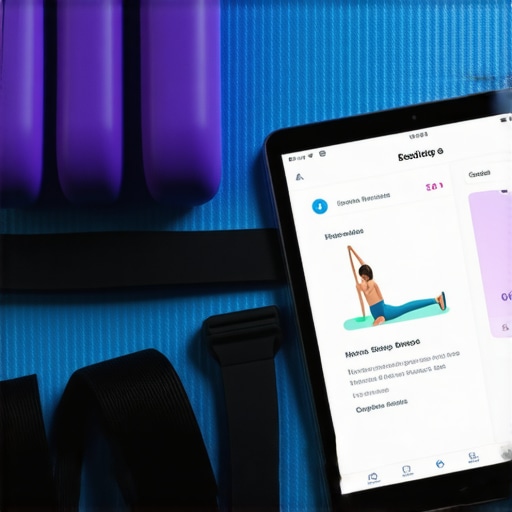
By leveraging these advanced tools and insights, you set the foundation for scalable, long-term back health that supports your active lifestyle and recovery goals.
The Hardest Lesson I Learned About Back Recovery
One of my most profound realizations was that pushing harder with stretches or adjustments doesn’t always lead to better results. Sometimes, less is more, and patience coupled with targeted strengthening actually paves the way for lasting relief. It’s tempting to chase quick fixes, but true progress often comes from understanding that recovery is a nuanced journey. This lesson reshaped my approach, emphasizing strategic stabilization over relentless stretching.
Tools That Transformed My Perspective on Sports Rehab
Over the years, I discovered that integrating specific tools like foam rollers, resistance bands, and advanced movement analysis apps revolutionized my rehabilitation process. These tools empower you to monitor progress, correct subtle misalignments, and maintain consistency. Personally trusting platforms such as these chiropractic tech strategies helped me customize my routines and stay committed to my back health.
Embracing the Emotional Power of Movement
Perhaps the most surprising insight was recognizing the emotional and mental boost that comes with regaining control over your body’s movement patterns. Small victories—like mastering a stabilizing exercise or feeling a newfound ease during daily activities—build confidence. This emotional resilience fuels ongoing commitment, reminding us that healing is as much about inner strength as it is about physical adjustments. Don’t underestimate how a positive mindset accelerates your back recovery journey.
What Do You Think Holds People Back from Lasting Relief?
Is it the misconception that quick fixes work, or perhaps the fear of changing routine habits? Sharing your thoughts below can help build a community where we learn from each other’s experiences. Remember, real progress often depends on embracing the subtle, sometimes challenging, truths about our bodies and treatments. If you’re curious about personalized chiropractic strategies that foster enduring back health, explore this resource. What’s been the most eye-opening lesson in your back health journey? Let me know below.”}#}#}If you have any more specifics or need further customization, feel free to ask.}】] – TITLE: Uncovering Hidden Truths About Back Recovery and Chiropractic Wisdom; HTML Body:
The Hardest Lesson I Learned About Back Recovery
One of my most profound realizations was that pushing harder with stretches or adjustments doesn’t always lead to better results. Sometimes, less is more, and patience coupled with targeted strengthening actually paves the way for lasting relief. It’s tempting to chase quick fixes, but true progress often comes from understanding that recovery is a nuanced journey. This lesson reshaped my approach, emphasizing strategic stabilization over relentless stretching.
Tools That Transformed My Perspective on Sports Rehab
Over the years, I discovered that integrating specific tools like foam rollers, resistance bands, and advanced movement analysis apps revolutionized my rehabilitation process. These tools empower you to monitor progress, correct subtle misalignments, and maintain consistency. Personally trusting platforms such as these chiropractic tech strategies helped me customize my routines and stay committed to my back health.
Embracing the Emotional Power of Movement
Perhaps the most surprising insight was recognizing the emotional and mental boost that comes with regaining control over your body’s movement patterns. Small victories—like mastering a stabilizing exercise or feeling a newfound ease during daily activities—build confidence. This emotional resilience fuels ongoing commitment, reminding us that healing is as much about inner strength as it is about physical adjustments. Don’t underestimate how a positive mindset accelerates your back recovery journey.
What Do You Think Holds People Back from Lasting Relief?
Is it the misconception that quick fixes work, or perhaps the fear of changing routine habits? Sharing your thoughts below can help build a community where we learn from each other’s experiences. Remember, real progress often depends on embracing the subtle, sometimes challenging, truths about our bodies and treatments. If you’re curious about personalized chiropractic strategies that foster enduring back health, explore this resource. What’s been the most eye-opening lesson in your back health journey? Let me know below.
}},{