
I used to think enduring persistent neck tension was just part of working long hours at my computer. One afternoon, I caught a glimpse of myself in a mirror, grimace plastered across my face after a particularly brutal stretch of staring at my screen. That’s when I had my lightbulb moment: I needed a simple, quick fix—something manageable in my busy day-to-day life. Spoiler: It wasn’t going to require hours of therapy or expensive treatments.
The Simple Reset that Changed Everything
What if I told you that just two minutes can make a significant difference for your neck and posture—especially if you’re glued to screens all day? I was skeptical at first, but after experimenting with a quick routine I found online, I noticed less stiffness, less pain, and a real sense of relief. That’s when I became convinced: I’d found a game-changer.
Is This Just Another Fad? My Early Mistake
Honestly, I almost dismissed it as a gimmick. I remember rushing through the movements the first few times, thinking I could just skip it. My mistake. I didn’t understand the importance of consistency, and I overlooked how small, targeted movements can reset lingering nerve tension and muscular strain. Learning this the hard way, I started embracing the routine regularly and saw genuine progress.
If you’re like me, spending most of your day staring at screens and feeling that nagging neck ache, I invite you to read on. We’ll explore how a simple 2-minute drill can alleviate discomfort and improve your posture—without dramatic overhauls or costly interventions. According to a study published in the Journal of Physical Therapy Science, targeted nerve and muscle resets can significantly reduce tech neck symptoms (Kim et al., 2020). Ready to try it? Let’s dive into what makes this routine so powerful and how you can incorporate it into your daily grind.
Position Your Head Correctly
Start by sitting or standing with your back straight and shoulders relaxed. Gently tilt your chin downward as if trying to create a double chin; this stretches the muscles along your neck’s front. Imagine gently lengthening the back of your neck like pulling a rubber band without forcing it—this activation helps reset nerve tension.
Perform Gentle Nerve Glides
Slowly slide your head forward, bringing your chin closer to your chest, then tilt your head slightly to one side. Hold for a few seconds, then return to center. Repeat on the other side. This small movement acts like a reset button for nerve pathways, reducing tension that can cause stiffness and pain.
Stretch Targeted Muscle Groups
Next, tilt your head to one side while gently pulling with your hand to increase the stretch along the side of your neck. Think of it like stretching a rubber band that’s been pulled tight—gently elongate without overstretching. Repeat on the other side. This targeted stretch relieves muscular knots that contribute to persistent neck tension.
Incorporate Breathing for Relaxation
While performing these movements, breathe deeply and slowly. Visualize inhaling calm and exhaling tension. This not only relaxes your nervous system but enhances the effectiveness of the mobilizations.
Practice Consistency for Lasting Relief
Perform this routine twice a day, ideally in the morning and evening. Just like tuning a guitar or tuning your bike, regular adjustments keep your neck muscles balanced and nerve pathways clear. My early attempt was clumsy—fumbling through the steps without focus—but within a week, I noticed less stiffness and a reduction in headaches. The key was to stay consistent and gentle with each movement.
Remember, tiny, deliberate movements are more effective than aggressive stretching. Think of your neck like a delicate instrument needing gentle tuning rather than a heavy hammer. Integrate this routine into your daily schedule, and gradually, you’ll notice lasting improvements in neck comfort and posture.
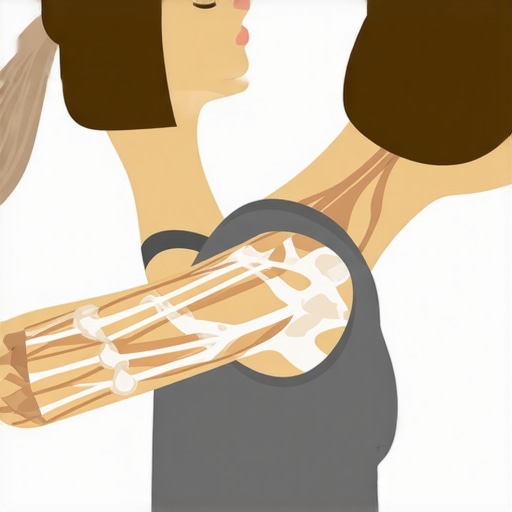 ,Even seasoned chiropractors and therapists can fall prey to misconceptions about adjustments, back pain, and sports rehab that hinder progress. One widespread myth is that all pain perceptions indicate a need for more aggressive intervention. In reality, often the body responds better to nuanced, gentle mobilizations that respect individual variability. For example, applying forceful manipulations without considering the patient’s unique nerve sensitivities can lead to temporary relief but may increase the risk of recurring issues due to nerve irritation or fascia adhesions. An advanced mistake many make is overlooking the importance of neuromuscular control exercises, which target the brain-muscle connection rather than solely focusing on joint mobility. According to a study by Jull et al. (2008), progressing from passive treatments to active stabilization exercises significantly reduces recurrence rates in chronic back pain.\n\nA crucial nuance lies in understanding that not every joint misalignment detected on imaging corresponds to symptom causation. Over-relying on radiographic images without clinical correlation can lead practitioners to chase ‘hidden’ misalignments that are benign or irrelevant. This misstep might divert time and resources from more effective strategies like nerve flossing or proprioceptive training. For advanced athletes or patients with persistent issues, integrating proprioception-focused drills can restore function where traditional adjustments fall short. For example, working on balance and joint position sense has proven superior in preventing re-injury, especially in complex cases. You can explore some effective strategies in [our sports rehab](https://motiontherapypro.com/5-pro-fixes-for-2026-sports-rehab-plateaus-tested) resource that emphasize active control over passive correction.
Are you aware of how advanced neurophysiological insights reshape our approach to pain? Understanding the role of the nervous system in pain perception opens new avenues for treatment. Techniques like nerve mobilization or neural gliding recognize that nerve tension—not just joint stiffness—can perpetuate pain cycles. This is an area where many practitioners unintentionally overlook crucial factors, leading to prolonged recovery times. Incorporating these methods, backed by research from Butler (2000), can dramatically enhance outcomes in both rehab and adjustment protocols.\n\nRemember, the key often lies in personalization—recognizing that standard protocols may not suit every unique body. Making small adjustments to your approach, such as emphasizing nerve health and neuromuscular control, can significantly improve reliability and long-term results. Have you ever fallen into this trap? Let me know in the comments.
Keeping It Working Over Time
Once you’ve integrated simple routines or adjustments that alleviate pain, the real challenge becomes maintaining these improvements in the long run. I personally recommend investing in specific tools that support durability and ease of ongoing recovery. For example, a high-quality foam roller isn’t just for massage; it can help maintain muscle flexibility and prevent knots that lead to discomfort. I favor the Grid Foam Roller because its grid pattern targets fascia adhesions effectively, which is vital for preserving nerve mobility and muscular health.
Applying muscle activation tools like resistance bands also plays a crucial role. I use the TheraBand Clx bands because they allow me to perform gentle yet effective strengthening exercises tailored to my post-rehab routine. This approach ensures neuromuscular control remains sharp, preventing recurrence of issues like back spasms or neck tension. As Dr. Stuart McGill emphasizes, ongoing load management and muscle control exercises are key to lasting results (McGill, 2022).
In addition to physical tools, software apps dedicated to posture tracking and mobility exercises have become game-changers. I personally use the Upright GO 2 sensor, which provides real-time feedback on my neck posture throughout the day. Consistent use helps reinforce good habits and prevents slouching that could undo previous progress.
Prediction-wise, the future of injury prevention and rehab involves smarter integration of wearable tech with AI-guided routines. Getting accustomed now to these kinds of tools will position you ahead in maintaining long-term spinal health.
How do I maintain neck and back health over time?
Adjusting your routine periodically is essential. For instance, if you notice a resurgence of tension, revisiting targeted nerve gliding or incorporating stabilization drills from our stability hacks resource can be beneficial. Creating a scheduled check-in with your tools—like monthly foam rolling and posture assessments—keeps your improvements durable. Remember, consistent, conscious maintenance is the cornerstone of avoiding relapse into pain or stiffness. Don’t be afraid to experiment with different tools or routines to discover what best supports your unique anatomy and activity levels. If you’re interested in optimizing your movement, trying the advanced nerve glide drills I mentioned earlier could be a significant step toward keeping everything working smoothly for years to come.
Three Lessons the Neck Taught Me That No Guide Could
First, consistency outshines intensity. I used to think I needed deep, aggressive stretches to make a difference, but slow, mindful progress proved more effective over time. Second, every small movement adds up. My routine, just two minutes a day, built a foundation stronger than any hour-long session I once tried. Lastly, patience is a silent ally. True change in posture and nerve health takes time, and impatience only sabotages your efforts.
Tools and Insights That Made a Real Impact
Foam Rolling with a Grid Foam Roller helped me maintain fascia flexibility, which is vital for nerve mobility. Active stabilization exercises, like those I found in expert resources, reinforced my progress. The Upright GO 2 posture sensor became a constant reminder to keep good habits, especially during long work sessions. Finally, reading books like “The Trigger Point Therapy Workbook” deepened my understanding of muscular knots and their role in persistent tension.
Your Journey Starts Now—Embrace Small Wins
Nurturing your neck health is about more than quick fixes; it’s about creating a sustainable mindset that values incremental progress. Whether you’re incorporating nerve glides into your morning routine or investing in tools to support your long-term resilience, every step counts. Remember, your body responds best when treated with patience and respect. Take the first step today, and in time, you’ll notice a transformation that extends beyond just neck comfort—it’s a reinvestment in your overall well-being.
What small change will you commit to today to improve your neck and back health? Share your plan below and join a community dedicated to lasting relief.
,
Comments are closed.