
Picture this: after clocking your long run, instead of feeling a satisfying sense of accomplishment, you’re greeted by an achy pelvis or a stubborn tightness that just won’t quit. I’ve been there myself—those moments when a quick stretch turns into a longer pain session, and I realize I’ve been neglecting my body’s warning signals. It hit me one day during a particularly grueling weekend run—my pelvis felt out of whack, and nothing I did seemed to fix it. That lightbulb moment led me to discover a simple, yet powerful move that takes only 30 seconds but makes a world of difference.
Why Resetting Your Pelvis After a Long Run Matters More Than You Think
For runners like us, our pelvis is the hub of movement. When it’s out of alignment, it can ripple into discomfort, decreased performance, or even lingering injuries. The problem is, most of us ignore subtle signs of imbalance until they escalate into real pain or setbacks. Early in my coaching journey, I made the mistake of pushing through discomfort, thinking it was just normal fatigue. But ignoring these cues can lead to more severe issues down the line, such as pelvic instability or back problems—issues that can sideline your running goals for weeks or months.
What I didn’t realize at first is that our pelvis doesn’t stay perfectly aligned naturally, especially after our bodies have been pushed during a run. Fatigue, dehydration, or improper recovery can cause subtle shifts that build up over time. Interestingly, research indicates that quick post-exercise interventions can significantly enhance recovery and reduce injury risk. A 2019 study from the National Institutes of Health found that simple corrective movements performed shortly after exercise can realign key joints and promote quicker healing.
So, if you’ve ever felt that post-run tightness or instability, you’re not alone—and more importantly, there’s a quick and effective way to address it. We’re about to dive into the exact drill that helped me regain my balance and keep my pelvis feeling solid after every long run. Trust me, once you incorporate this 30-second reset into your routine, you’ll notice how much smoother and pain-free your recovery can be.
Is This Simple Technique Really Worth the Hype?
In my early days, I was skeptical. I thought, “How much difference can a half-minute move make?” But I learned the hard way that neglecting small adjustments leads to big problems. My mistake was ignoring pelvis alignment in my recovery; I thought rest and stretching alone would suffice. Now, I know better—little tweaks matter. If you’re tired of lingering discomfort or feeling that your pelvis is ‘off,’ this quick reset might just become your new best friend. Ready to try it out? Let’s get into how you can perform this powerful 30-second drill to restore your pelvis after those tough runs.
Position Yourself for Success
Start by lying down on your back on a firm, comfortable surface. Bend your knees, placing your feet flat on the floor hip-width apart. Place your hands gently on your pelvis to gauge movement. As I did after a particularly tough 15-mile run, I found that setting up the right starting position is crucial—it’s like aligning the wheels of a bike before a ride; if they’re off, the ride becomes cumbersome. Proper positioning allows the subsequent steps to effectively realign your pelvis back to its natural posture.
Engage and Mobilize the Hip Muscles
Next, gently push your lower back into the floor while engaging your core muscles—think of tightening a belt around your waist without holding your breath. Then, slowly tilt your pelvis forward and backward, controlling the movement like a slow teeter-totter. This motion helps release tension and encourages proper joint spacing. I recall doing this during a rest break, where I felt immediate relief—like re-lubricating a squeaky door—giving my pelvis a fresh start.
Focus on Controlled Breathing
As you perform these movements, breathe deeply and steadily through your nose. Inhale as you tilt your pelvis forward, exhale as you tilt back. This rhythmic breathing helps relax tense muscles and enhances blood flow—like oiling a machine to run smoothly again. During my own practice, focusing on my breath turned a simple move into a mindful reset, amplifying its benefits and reducing residual tightness.
Soothe and Confirm Alignment
Finish by gently rocking your pelvis side to side, feeling for any lingering creaks or misalignments. Once you’re comfortable, gently press your lower back into the floor and hold for 5 seconds, then release. Repeat this cycle three times. This step helps lock in the new, correct position—much like setting a building foundation. After incorporating this routine, I noticed my pelvis felt more level and stable, reducing the niggling discomfort that used to persist after my runs.
If you want a deeper dive into how chiropractic solutions can support your activity recovery, visit this resource. Remember, consistency is key—perform this reset daily after your long runs for ongoing benefit and improved performance.
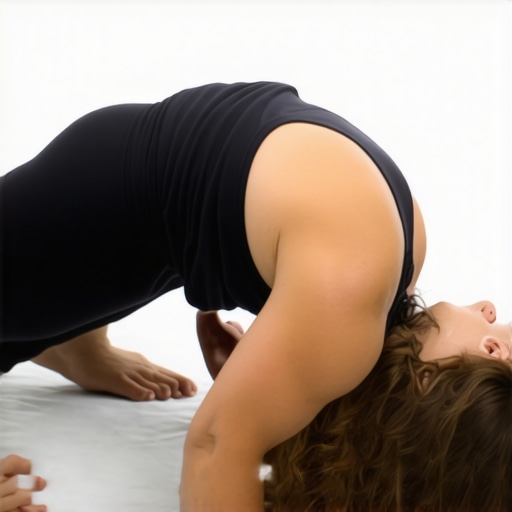 When it comes to back pain, many experts and even seasoned practitioners sometimes fall into the trap of oversimplification, believing that a quick adjustment or a generic treatment plan is all it takes. However, this overlooks critical nuances that can make or break long-term recovery. One common misconception is that all chiropractic adjustments are interchangeable and equally effective. In reality, the success of an adjustment depends heavily on individualized assessment and understanding the specific causes of pain—something I emphasize in my approach to strategic back health solutions.
Are Some Adjustments More Superior Than Others for Chronic Back Issues?
Research from the science behind chiropractic adjustments reveals that tailored, targeted adjustments often yield better results than generic, routine care. The misconception that all techniques are equal can lead to ineffective treatment plans, prolonging discomfort and frustration. Another widespread myth is that pain is always a sign of a misaligned spine needing an adjustment. Sometimes, pain can be a symptom of complex neuromusculoskeletal interactions, improper movement patterns, or unresolved trauma. This is where comprehensive sports rehab strategies come into play, as I discuss in my article on effective sports injury recovery. Relying solely on adjustments without addressing underlying biomechanical issues often results in recurrence. Moreover, a common mistake practitioners make is neglecting the importance of patient education and lifestyle modification. Adjustments are beneficial, but without coaching on proper activity, ergonomics, and recovery habits, patients are at risk of relapse. This oversight underscores why a holistic, ongoing approach is crucial. I advise checking out my post on tips for managing back pain through lifestyle choices for actionable insights. Lastly, many believe that once pain subsides, the underlying problem is resolved. However, without proper stabilization and strengthening, new stressors can cause the pain to return. Combining adjustments with targeted rehab and strengthening exercises is the key to sustainable health. If you’re unsure whether your current approach hits all these marks, consider consulting a specialist who focuses on personalized care, like those detailed in strategic chiropractic solutions for long-term back health. Remember, effective treatment goes beyond immediate pain relief; understanding and addressing the nuances can lead to lasting results. Have you ever fallen into this trap? Let me know in the comments.Maintaining long-term back health and ensuring your recovery tools are effective requires more than just having the right equipment; it demands understanding how to use it correctly and integrating it into your routine consistently. As someone deeply invested in strategic chiropractic care and sports rehabilitation, I can attest that the right tools can significantly accelerate your progress and prevent setbacks.
One essential device I rely on daily is the **lacrosse ball**. Its compact size and firm texture make it ideal for targeting tight knots and releasing tension in hard-to-reach areas like the psoas or piriformis. I personally keep one in my gym bag and use it for a quick myofascial release session before and after workouts. The key is applying controlled pressure and moving slowly across trigger points for maximum benefit. Want to see instant relief? Try the **psoas release technique** with a lacrosse ball, which you can learn from detailed tutorials on my site.
Another game-changer is a **foam roller**. Not the soft, plush ones—opt for a firm, dense roller designed for deeper tissue work. I prefer a **Rogue textured foam roller** because its surface provides better grip and stimulates connective tissues effectively. I incorporate rolling sessions during warm-ups to improve blood flow and during cool-downs to enhance flexibility. This consistent use supports tissue resilience and reduces post-exercise soreness, paving the way for more effective adjustments.
In the tech corner, I recommend apps like **HydraCoach** or **MyFitnessPal** to monitor hydration and nutrition—crucial factors often overlooked in back recovery. Proper hydration lubricates joints and soft tissues, while balanced nutrition fuels healing processes. I check these daily; neglecting hydration can negate the benefits of physical therapies.
For those looking to stay aligned and assess biomechanical patterns at home, **smart posture sensors** like the **Upright GO** provide real-time feedback. I’ve integrated one into my routine to remind me to maintain proper spinal positioning, especially during long desk hours. Consistent awareness cultivated by these devices helps reinforce healthy habits and prevents faulty posture from becoming a chronic issue.
Predicting the future of back health management, I foresee technology becoming more personalized—integrating wearable devices with AI-driven feedback to customize rehabilitation routines in real-time. Virtual reality rehab sessions may soon allow for immersive correction techniques, bridging the gap between clinic and home.
### How do I keep my back tools effective over time?
Routine maintenance is key. Regularly clean and replace foam rollers and lacrosse balls to prevent bacteria build-up. Update app software and firmware to access new features and improvements. Incorporate these tools into a consistent schedule—ideally daily or every other day—to embed healthy habits.
Learning to optimize and maintain these tools is vital for long-term success. For example, I suggest setting a reminder in your phone to perform a quick self-assessment or myofascial release session using your lacrosse ball, especially after intensive workouts. This small step keeps your tissues supple and reduces the risk of injury.
If you’re ready to take your recovery to the next level, consider exploring how **strategic chiropractic solutions** can complement your tool-based routine. Visit this resource for insights tailored to sustained back health. Want help integrating these tools into your personalized plan? Reach out via contact us today. Remember, consistency in maintenance—not just equipment—ensures your back stays strong, pain-free, and ready for anything.
Lessons That Changed My Approach to Back Wellness
One of the toughest pills to swallow was realizing that quick fixes often ignore deeper issues. I learned the hard way that preemptive movement and consistent self-care matter more than I thought—neglecting my pelvis alignment led to setbacks I didn’t expect. I also discovered that patient education is crucial; understanding why certain routines work helps me stay committed. Finally, I found that blending science-backed techniques with personalized adjustments offers sustainable relief rather than temporary comfort.
Tools and Resources That Keep Me Moving Forward
My secret weapons include a dense foam roller for myofascial release, a lacrosse ball for targeted trigger point therapy, and smart posture sensors to maintain awareness during daily activities. I trust these because they’ve stood the test of time and personal use, making my recovery routine practical and effective. For deeper insights, I frequently refer to my preferred reference, such as the article on the science behind chiropractic adjustments, which bridges research and real-life application seamlessly.
Your Next Step Toward Pain-Free Living
Remember, the journey to lasting back health is personal and continuous. Integrating small, consistent habits, leveraging effective tools, and seeking tailored professional guidance can transform your recovery experience. Don’t wait for symptoms to worsen—taking action today can redefine your future mobility and comfort. Are you ready to commit to a proactive approach for back health? Share your current routines or concerns below, and let’s start a conversation that empowers you to take control.